
Compiled By: Malami Haruna Dogon daji
ABUJA, September 17 2026
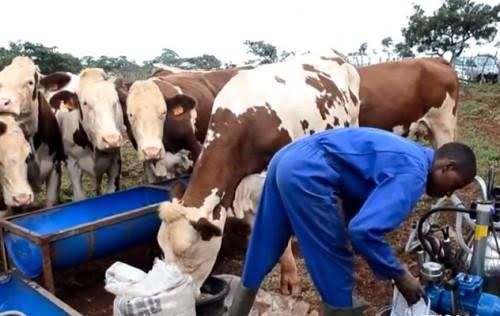
The government wants to turn cattle and dairy into a booming export industry. Investors are being courted. Grazing reserves are being rehabilitated. There’s real vision here, and honestly, real reason for hope too.
But ask the farmers who actually work this land, and you’ll hear something more complicated: cautious optimism mixed with hard earned fear.
That tension, big ambition meeting harder reality, is exactly what’s playing out right now across Nigeria’s livestock sector. And it’s worth understanding both sides of it.
The Announcement
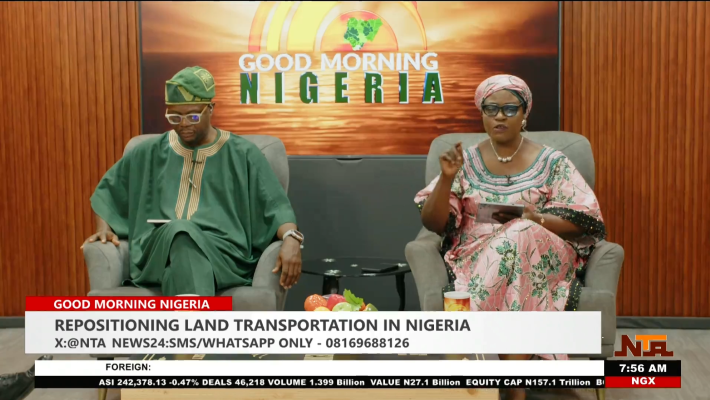
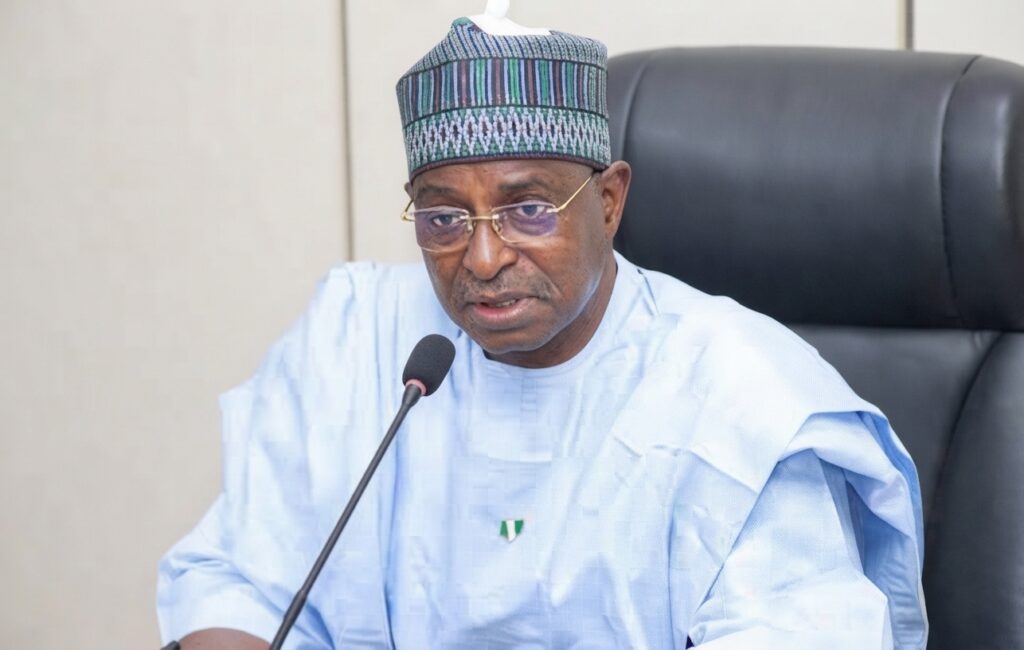
Livestock Development Minister Idi Mukhtar Maiha recently went on national television with a clear message. Nigeria is actively courting investors, local and foreign, to transform its dairy and red meat industries.
It’s an appealing pitch, and not an unreasonable one. Nigeria has one of Africa’s largest livestock populations, yet still imports 65% of the meat it consumes. That gap between what Nigeria has and what it currently produces isn’t just a problem. It’s also a massive, largely untapped opportunity sitting right there, waiting for the right conditions to unlock it.
The Uncomfortable Truth: Security Still Casts a Long Shadow
Let’s be honest about the number that complicates everything.
Between July 2025 and June 2026, roughly 7,825 people were kidnapped across Nigeria. That’s a 66% jump from the year before. Over 60% of those cases happened in the Northwest.
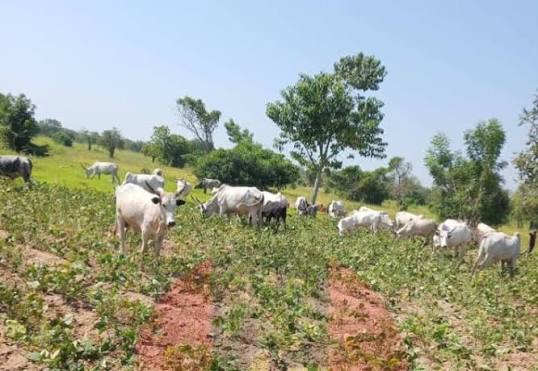
Farmer herder clashes, once mostly disputes over grazing land, have hardened into something more dangerous in some areas, tangled up with banditry and criminal networks. And the regions the government wants to turn into ranching hubs, the Northwest and North Central, are among the regions feeling this most.
That’s the real challenge. But it’s not the whole picture.
There’s a meaningful, often overlooked detail here: the government’s strategy is a gradual, phased shift, not an abrupt overnight ban on open grazing. That matters. Sudden policy shocks tend to breed resistance and conflict. A patient, negotiated rollout gives communities time to adjust, and gives security efforts time to catch up region by region rather than everywhere at once.
The Ranching Plan, and Genuine Foundations to Build On
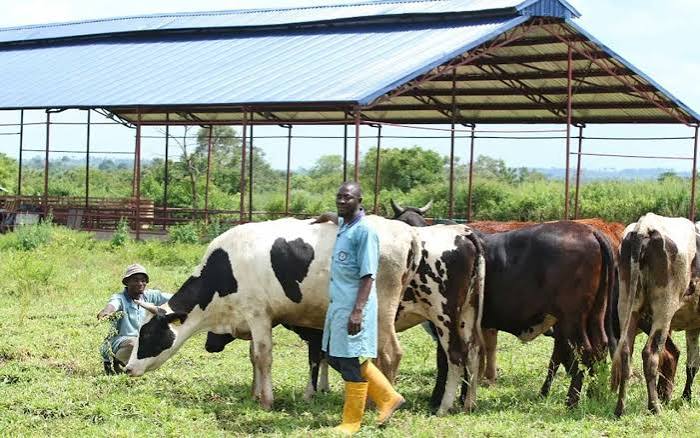
In August 2026, the federal government unveiled its plan: rehabilitate 417 grazing reserves and build modern ranching settlements across six states, Adamawa, Benue, Kaduna, Nasarawa, Plateau, and the FCT. A pilot already began in Plateau.
Yes, some states pushed back. Benue rejected the plan outright, citing its own 2017 anti open grazing law. The Middle Belt Forum raised concerns about land rights. A legal challenge is brewing.
But here’s what’s easy to miss in the headlines: Nigeria isn’t starting from zero. The country already has between 273 and 470 gazetted grazing reserves, covering more than 4.5 million hectares. That’s real, existing physical infrastructure, land already set aside and legally recognized, that ranching development can build on rather than create from scratch.
And Minister Maiha has been careful to draw a clear line between this plan and the old, controversial RUGA policy that provoked so much backlash years ago. His message, that federal support exists to help states implement laws they themselves passed, rather than override state authority, is a meaningfully different approach than what came before. Whether it fully lands with skeptical communities is still an open question, but the intent to work with states rather than around them is a genuine shift in posture.
The Funding Gap Is Real, But So Is the Interest
It would be dishonest to skip past this. The Livestock Ministry received zero naira of its ₦10 billion 2025 capital budget. Only ₦20 billion of a promised ₦70 billion start up grant from 2024 had been disbursed by early 2026. Lawmakers have publicly called this out as inadequate.
That’s a legitimate concern for anyone watching whether this plan can actually be funded.
At the same time, private sector appetite hasn’t disappeared. Industry players like Consolidated Limited have already submitted investment proposals. That’s worth noting, because investors don’t typically put forward serious proposals for a sector they see as a dead end. It suggests that, funding gaps aside, there is real belief that Nigeria’s livestock sector has commercial upside once the groundwork is laid.
The Technical Hurdles Are Steep, But the Roadmap Is Clear Enough
Nigeria still faces real technical barriers before it can compete as a serious meat exporter: livestock diseases like Peste des Petits Ruminants and Lumpy Skin Disease, limited traceability, and a lack of cold chain infrastructure.
These are not small problems. But they are also not mysterious ones. Countries that now lead in meat exports faced nearly identical starting points decades ago, and the same playbook, disease free compartments, integrated feedlots, export certified corridors, has worked elsewhere. Minister Maiha’s strategy explicitly borrows from that proven model rather than inventing something untested. That’s a genuinely encouraging sign: Nigeria isn’t guessing here. It’s following a path with a track record.
What Nigerians Are Actually Saying
Public skepticism is real, and earned. Past programs, like the National Livestock Transformation Plan, promised much and delivered unevenly. Farmers in states with anti grazing laws, like Delta, say enforcement often falls short in practice.
But it’s worth sitting with something one presidential aide said back in May 2026: “Criminals do not thrive without some level of community complicity, often linked to poverty.” That’s not just an admission of a problem. It’s also a pointer toward a solution, because it means addressing rural poverty and creating legitimate livestock income can directly starve the conditions that fuel insecurity in the first place. A thriving, well paying livestock sector isn’t only an economic goal. It could become part of the security fix too.
Weighing It Fairly
Genuine strengths in place: Nigeria already has substantial grazing reserve infrastructure, a phased and negotiated policy approach, real private investor interest, and a technical roadmap borrowed from countries that have done this successfully before.
Genuine risks still unresolved: Rising insecurity in target regions, funding that hasn’t matched the rhetoric, and a history of ambitious policies that stalled at the implementation stage.
Both of these things are true at once. The vision holds up. The foundations are more solid than they might first appear. And the execution, as always, is where it will be won or lost.
What Would Move This Forward
Experts have laid out a realistic path, and it’s not a fantasy checklist. It’s grounded in things Nigeria has already started doing elsewhere successfully: releasing budgets that are already approved, deploying targeted security to specific corridors rather than everywhere at once, and building genuine dialogue with state governments before rolling out new plans rather than after.
Longer term, scaling up vaccination campaigns, building traceability systems, and developing integrated feedlots and modern abattoirs would move Nigeria from selling live animals toward exporting processed meat, a much more valuable position in the global market.
None of this requires inventing something new. It requires consistency, something Nigeria’s livestock sector hasn’t always had, but is clearly capable of, given the reserves, the interest, and the roadmap already in place.