

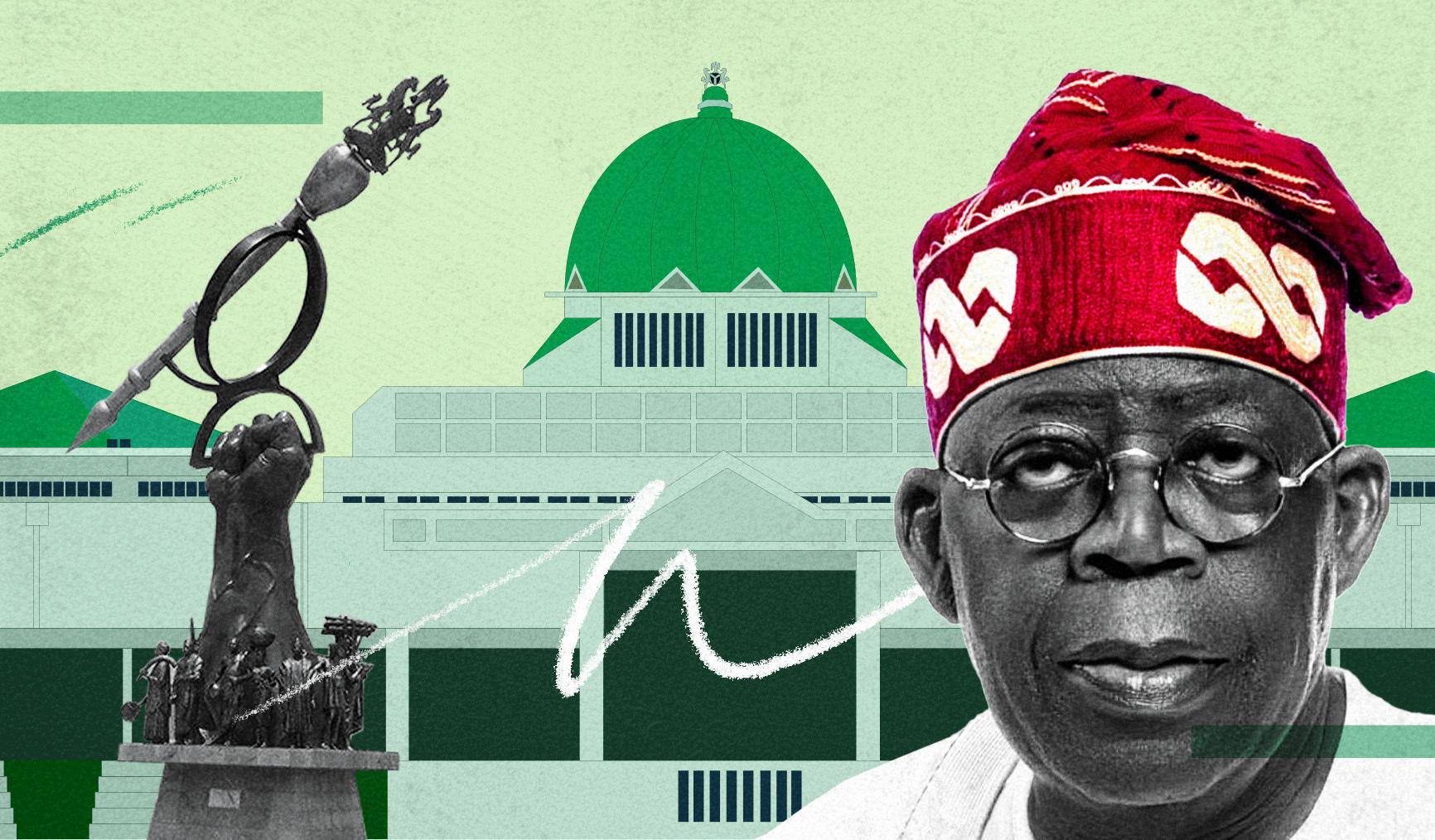
The Federal Government is considering a legal framework to keep major economic policies consistent from one administration to the next, raising questions about how far future governments could go in changing reforms introduced under President Bola Tinubu.
Minister of Finance and Coordinating Minister of the Economy, Taiwo Oyedele, disclosed the proposal on Monday, October 26, at the 32nd Nigerian Economic Summit in Abuja, where he presented a draft Nigeria Economic Policy Framework for public consultation. He said the government wants lasting economic principles backed by institutions, policy and possibly legislation. “We now need to lock it in, in institutions, in law, as well as policy framework, so that it can be enduring,” he said.
The proposal is still at the consultation stage. It has not become law, and its final provisions and effects on future governments remain to be determined.
The draft would guide decisions on taxation, tariffs, subsidies, investment and industrial development. The government says frequent policy reversals have discouraged investment and weakened confidence in the economy.
One reform at the centre of the discussion is the 2023 removal of the petrol subsidy. Oyedele said the government should not return to it, arguing that the focus should be on improving household incomes rather than artificially holding down prices.
The framework would require the government to explain why a major economic policy is needed, how much it will cost, and who it will help or affect. It would also introduce an annual report to track whether Nigerians are earning more, getting jobs and escaping poverty, instead of focusing mainly on economic growth.
It is distinctive to say that businesses and investors need predictable rules before committing to long-term projects. However, making economic principles enduring does not mean every current policy can never be changed. The legal effect will depend on the provisions finally adopted and how much freedom they give to future governments to respond to changing conditions.
The reforms implemented so far are meant to fix long-standing economic problems, but they have also made life more expensive for many households. Keeping policies stable may help businesses plan, but it does not automatically mean lower prices, more jobs or less poverty. The proposed scorecard could help show whether the reforms are actually improving Nigerians’ lives, provided the information is clear and reliable.
The draft will remain open for public consultation until November 27, 2026. It is then expected to go to the Federal Executive Council for approval and the National Economic Council for endorsement.
For now, the government has proposed a way to make economic policymaking more consistent, but it has not enacted a law preventing future governments from reversing Tinubu’s reforms.