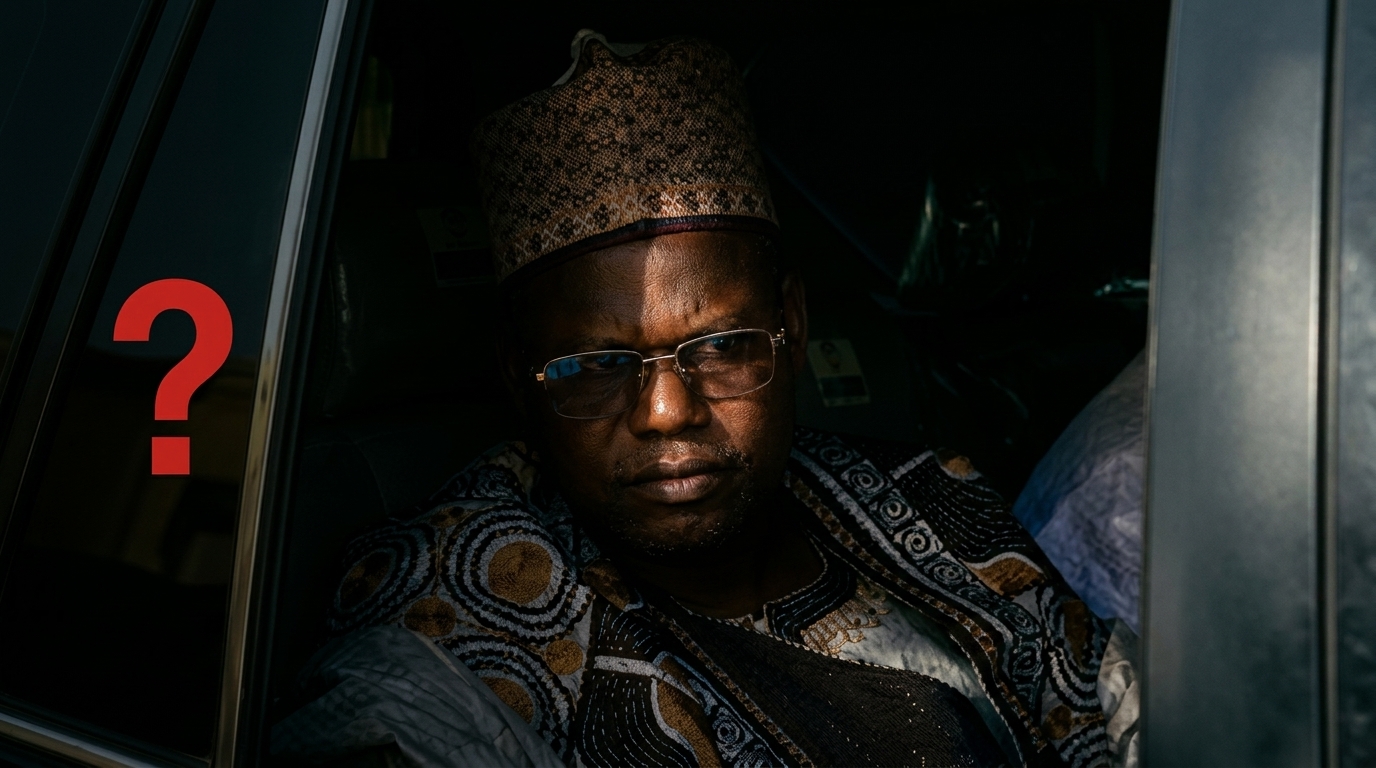

Rilwan Olawale, a political mobiliser associated with the Nigeria Democratic Congress (NDC), was reportedly taken from his Lagos residence at about 1 a.m. on Sunday, October 25, by armed men who identified themselves as operatives of the Department of State Services (DSS). The circumstances remain unclear, and available reports have not independently established who the men were or why the operation was carried out.
Funso Doherty, the NDC’s governorship candidate in Lagos State, said efforts were underway to establish the facts and gain access to Olawale through his family and legal counsel. He urged the public to remain calm.
In a statement on Monday, October 26, the NDC’s presidential candidate, Peter Obi, demanded Olawale’s release and called for transparency over what he described as the harassment and intimidation of his supporters. He said Nigerians should be free to back candidates of their choice without fear, and that his movement would continue to pursue its objectives through peaceful and lawful means.
As of the reports reviewed, neither the DSS nor the Nigeria Police Force had publicly confirmed that Olawale was in their custody. His reported disappearance therefore should not be taken as proof of wrongdoing by any individual or institution before the facts are established.
It is important to note that security agencies are expected to act within the law if he has indeed gone against the law and his right as a Nigerian. If Olawale is in official custody, clarity on his whereabouts, the legal basis for his detention as well as access to a lawyer would help settle the matter. If the DSS was not involved, a clear and prompt official statement saying so would also help resolve the uncertainty and assure the public ahead of the coming ballot.
The case has also renewed questions about political participation ahead of the 2027 elections. Freedom of expression, peaceful assembly and association are protected under Nigeria’s Constitution, subject to limits permitted by law. At the same time, support for an opposition party does not by itself explain why an alleged arrest occurred, and political affiliation does not shield anyone from lawful investigation where credible grounds exist.
Whatever the outcome, the reported detention of a political mobiliser eight months or so before the 2027 elections is likely to be read by many Nigerians as a test of how open the political space will be. Elections depend not only on candidates and ballots but on whether ordinary supporters, volunteers and organizers feel safe taking part in campaigns without fear of reprisal.
Safe to say, incidents like this can have a wider effect than the case itself. If supporters believe political activity could lead to unexplained detention, some may hold back from mobilizing, attending rallies or speaking publicly. That kind of chilling effect, they argue, can weaken participation even when no formal restriction exists.
For Olawale’s family, supporters and lawyers, the immediate concern is to establish his whereabouts and welfare. Until verifiable information emerges, the circumstances of his reported disappearance remain unresolved.