
Compiled By: Malami haurna Dogndaji
27 OCTOBER, 2026
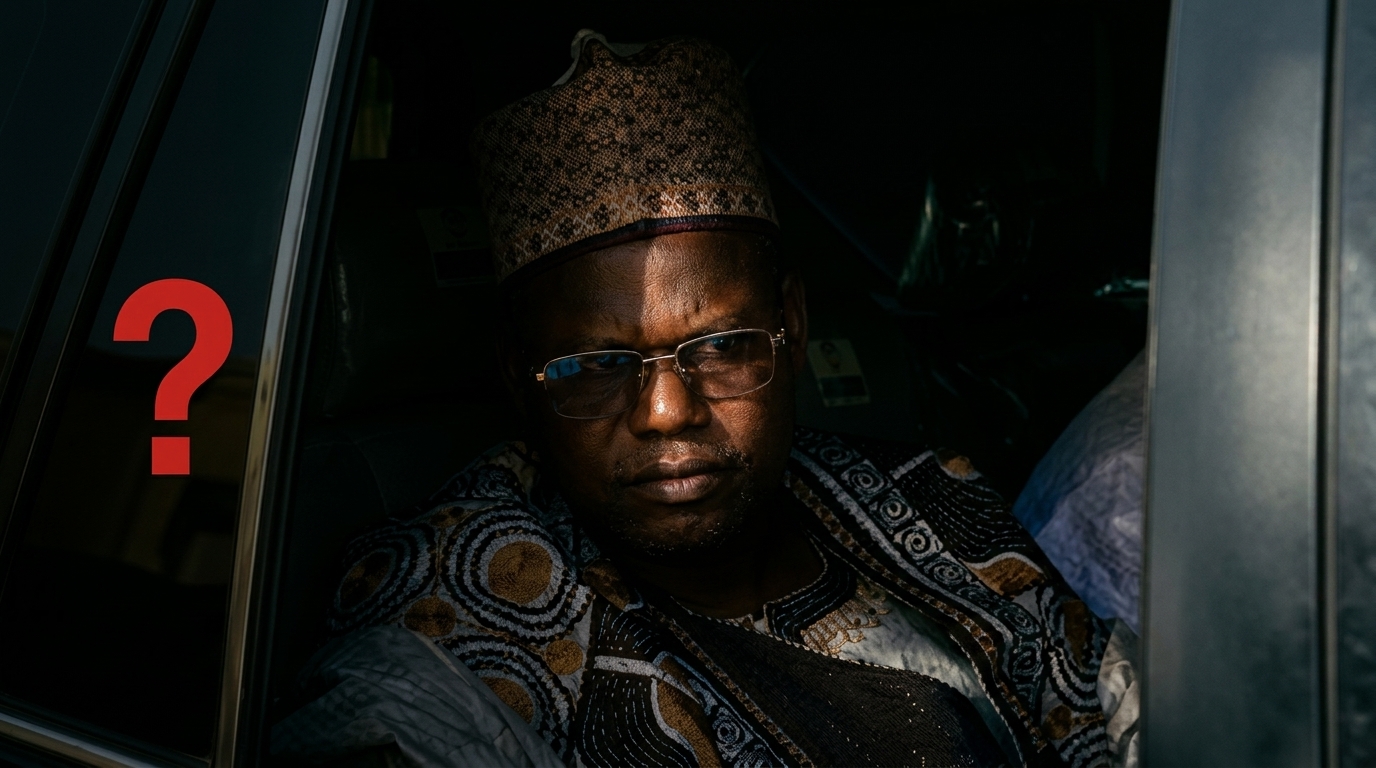
The killing of Sheikh Yahaya Ibrahim Masussuka and his associate, Adamu Abubakar, in Dutsin-Ma, Katsina State, has prompted an official investigation and concern over the safety of prominent religious figures in northern Nigeria. Police have confirmed that gunmen shot the two men outside the cleric’s residence on Monday, October 26, while Governor Dikko Umaru Radda has ordered a thorough probe.
The case is still at an early stage. No public authority has named suspects, announced arrests or established a motive. Any claim that the attackers were bandits, ideological opponents, political actors or persons linked to a private dispute remains unproven unless investigators produce evidence.
| Key fact | What has been reported | What investigators need to establish |
|---|---|---|
| Victims | Sheikh Yahaya Ibrahim Masussuka and his associate, identified in reports as Adamu Abubakar, died after the attack. | Their movements, contacts and activities in the days before the shooting |
| Location | The shooting occurred near or in front of the cleric’s residence in Dutsin-Ma town. | Exact scene reconstruction, entry and escape route, nearby CCTV or mobile-phone evidence |
| Attackers | Reports say two gunmen arrived on a motorcycle and opened fire. | Identity of the riders, motorcycle ownership, weapons used and whether they had local assistance |
| Timing | Accounts place the attack on Monday evening, though reports differ between about 7:30 p.m. and 9:00 p.m. | A verified minute-by-minute timeline based on witnesses, calls, hospital records and security logs |
| Official response | The police commissioner ordered tactical teams to pursue suspects; the governor called for calm and a thorough investigation. | Whether a dedicated case team, forensic work and public witness-reporting channel have been set up |
| Possible prior warning | Some media reports say Masussuka had earlier reported threats; this requires documentary confirmation from police records and people close to him. | The date, source, content and official response to any alleged threat report |
The central questions
The attackers reportedly struck at the cleric’s home, rather than during a random road attack. That location may suggest surveillance, knowledge of his routine or an intention to send a message. But location alone does not prove a targeted ideological or political assassination: investigators must test competing explanations against evidence.

The reported use of two riders on a motorcycle is also important. Motorcycles can allow quick movement through local roads and a rapid escape, but the method is not unique to any single armed group or motive. Police need to determine whether this was an opportunistic attack, an organised hit, a criminal operation or an attack connected to earlier threats.
A further question concerns the second victim. If Adamu Abubakar was specifically targeted, his own relationships and movements become central to the inquiry. If he was caught in the attack because he was with Sheikh Masussuka, that could strengthen—but still not prove—the possibility that the cleric was the principal target.
Could this be an attack on scholarship?
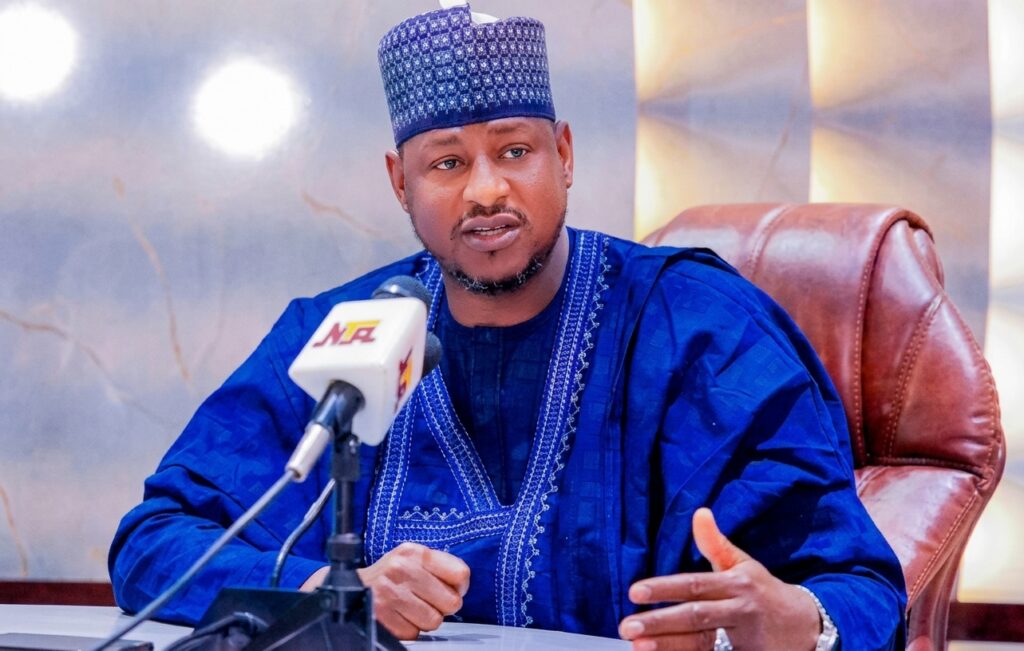
Governor Radda described Masussuka as a teacher of Qur’an-centerd values, peaceful coexistence and interfaith understanding who opposed violent extremism and radicalization. If investigators verify that he faced threats over these views, the case could raise serious concerns about attempts to intimidate moderate religious voices and weaken peaceful religious scholarship in the region.
However, the broader proposition—that the killing was a coordinated attempt to disrupt a “northern scholarly empire”—is not supported by publicly available evidence at this stage. One murder, however grave, cannot establish a coordinated campaign without verifiable links: similar attacks, common perpetrators, communications evidence, credible threat patterns or a demonstrated organizational motive.
The defensible question is narrower and stronger: Did Sheikh Masussuka’s public teachings, local influence or reported prior threats create a motive for targeted violence? That is a legitimate line of inquiry, but it must be answered through evidence rather than fear, online speculation or religious labeling.
What a credible investigation needs
- Secure and document the crime scene, including bullets, cartridge cases, blood patterns and motorcycle tyre marks.
- Obtain statements separately from family members, neighbors, worshippers, first responders and hospital staff.
- Retrieve nearby CCTV footage and analyze mobile-phone activity near the scene before, during and after the attack, under lawful procedure.
- Verify whether prior threat complaints were lodged, who received them and whether protection or risk assessment followed.
- Examine the lives and possible disputes of both victims, rather than assuming the cleric alone was the target.
- Share verified updates with the public while protecting witnesses and avoiding the release of details that could compromise the case.

Why restraint matters
The murder has the potential to heighten fear and religious tension in Katsina and beyond. That is why public appeals for calm are important: premature accusations can endanger innocent people, weaken cooperation with police and make it harder for investigators to separate evidence from rumour.
The strongest narrative changer will not be a dramatic theory. It will be a transparent investigation that answers basic questions: who knew the victims’ movements, whether threats were documented, how the attackers escaped, what forensic evidence says, and whether there is any credible link to a wider pattern of intimidation.
CTA: Do you have verifiable information, footage or knowledge of a documented threat connected to this case? Share it directly with the Katsina State Police Command through official channels, avoid publishing unverified claims online, and follow this page for evidence-based updates on the investigation.