
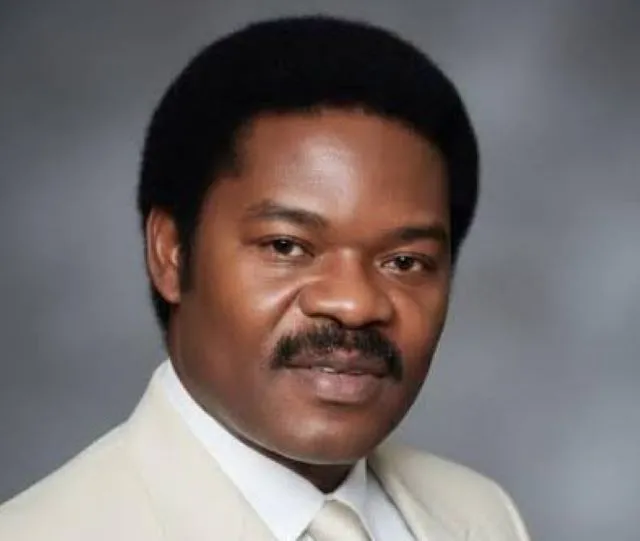
Forty years after Dele Giwa’s death, one way to understand his legacy is to look beyond the circumstances of his assassination and return to the work that made him one of Nigeria’s most influential journalists.
Giwa, founding editor-in-chief of Newswatch magazine, was known for his writing, sharp observations and interest in public affairs. He was killed by a parcel bomb delivered to his home in Lagos on October 19, 1986, at the age of 39, his assassination remains unresolved.
On Monday, October 19, 2026, journalists and media leaders gathered at the Nigerian Institute of Journalism in Lagos for the unveiling of Dele Giwa’s Granite Journalism, a collection of his writings edited by veteran journalist Ray Ekpu. The publication offers an opportunity to revisit not only the life he lost, but the ideas and journalistic standards he left behind.
Giwa’s Journalism Style
Giwa’s journalism was not limited to recording events. His work covered public affairs and extended to international politics, race relations, the media and questions about human experience.
At the book launch, journalist Simon Kolawole highlighted his curiosity, clarity, courage, storytelling and originality. He also acknowledged that Giwa could be argumentative and thorough, presenting him as a journalist who was deeply engaged with society rather than indifferent to its problems.
That description raises a question for contemporary journalism in Nigeria: is reporting simply about telling people what happened, or does it also require examining why it happened, who is affected and what those in positions of responsibility have to say as well as the actions they take about it subsequently?
In a media environment where official statements and breaking news can circulate rapidly, Giwa’s legacy invites journalists to look beyond the first account of an event. It points to the value of context, verification, strong writing and questions that help audiences understand the issues behind the headlines.
What Can We Learn From His Work?
Giwa’s career also offers a useful starting point for discussions about professional independence. Journalism can inform the public only when it gives citizens the information they need to assess decisions, question authority and understand matters affecting their lives.
That responsibility requires more than bold headlines. It demands evidence, fairness, persistence and the willingness to scrutinise claims, including those made by influential people. Courage without verification can mislead; reporting without curiosity can leave important questions unanswered.
These are not lessons that belong to one generation alone. They remain relevant to journalists working across paper, television, radio and digital platforms, where the pressure to publish quickly can compete with the need to establish facts.
Preserving the Work, Not Just the Memory
The publication of Dele Giwa’s Granite Journalism comes at a time when two other members of the Newswatch founding group, Dan Agbese and Yakubu Mohammed, have also died, leaving Ekpu as the last surviving member. The book therefore serves as both a record of Giwa’s work and a resource for readers who did not experience his journalism first-hand.
That exercise would also allow readers to engage with Giwa as a writer in his own right, rather than viewing his entire legacy through the tragedy of his death.
Rest in peace, Dele Giwa; your legacy lives on.