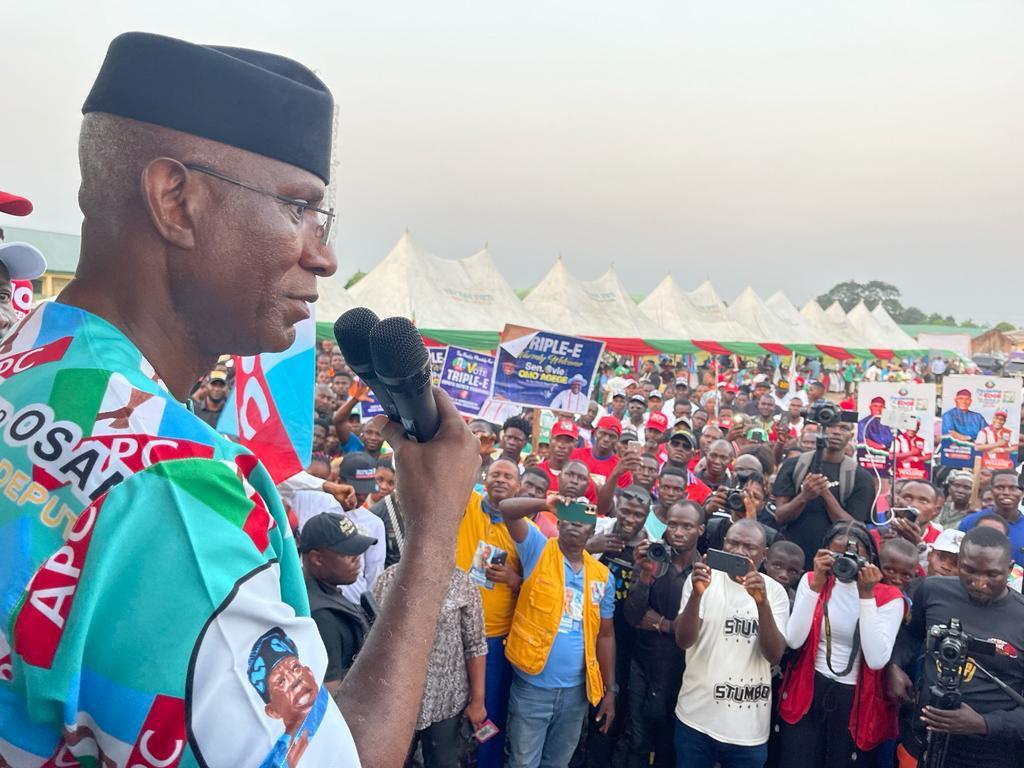

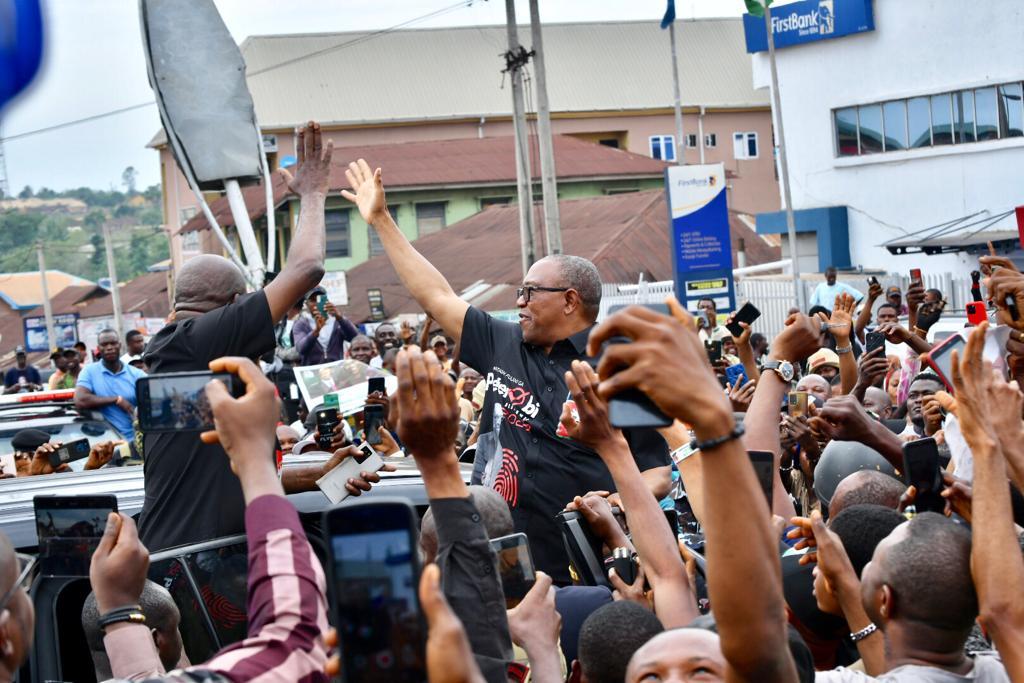
The Obi-Kwankwaso Movement has questioned the grassroots readiness of the Nigeria Democratic Congress (NDC) a day after the party unveiled its National Campaign Council for the 2027 general elections.
The NDC announced a 155-member council on Sunday, October 25, with Senator Seriake Dickson as chairman, Peter Obi as co-chairman and Rabiu Musa Kwankwaso as co-vice-chairman. Ibrahim Abdulkarim was named Director-General of the presidential campaign, with coordinators appointed across the 36 states and the Federal Capital Territory. The party said the council will coordinate campaign activities nationwide and mobilise support behind its vision of a new, just and prosperous Nigeria.
In a statement on Monday, October 26, the movement’s Director-General, John Ughulu, questioned why the council was being unveiled only now. He argued that a list of prominent political figures does not necessarily show an effective grassroots network, and said successful campaigns require sustained organisation that reaches local communities and polling units. The movement also claimed it began building its grassroots structure earlier and suggested members of the new council might eventually need its mobilisation network.
The exchange follows an earlier disagreement. In September, the movement announced its own 59-member campaign council to coordinate support for Obi and Kwankwaso. The NDC distanced itself from that arrangement, saying it was not authorised by the party and that official campaign structures are the responsibility of its leadership. The party said it welcomed support groups but cautioned against parallel structures that could undermine its authority.
Observers note that the size of a campaign council does not on its own show how strong a party’s grassroots network is, and that the movement’s claims about its own reach also require evidence. Possible indicators include functioning state and local structures, volunteer engagement, voter outreach and preparations for polling-day operations.
The party formally controls its official campaign, while support movements can contribute volunteers and community contacts. Clear arrangements on roles, coordination and the resolution of disagreements could help the two work together.
As the disagreement continued on Tuesday, October 27, reports indicated that efforts were underway to ease tensions between the NDC and the Obi-Kwankwaso Movement. However, a direct, formal response from the party to John Ughulu’s latest criticism of the campaign council’s grassroots preparedness could not be independently confirmed at the time of publication.