
Two recent developments involving the children of prominent politicians have sparked conversation ahead of the 2027 general elections about whether children must share their parents’ political loyalties.
In January 2026, Abba Atiku Abubakar, son of former Vice-President Atiku Abubakar, defected from the People’s Democratic Party (PDP) to the ruling All Progressives Congress (APC) and declared support for President Bola Tinubu’s re-election. His father remains a major opposition figure and is the African Democratic Congress (ADC) presidential candidate for 2027. In a statement on X on January 15, Atiku described the move as a personal choice, saying he does not coerce his children on matters of conscience and would not impose his political convictions on them.
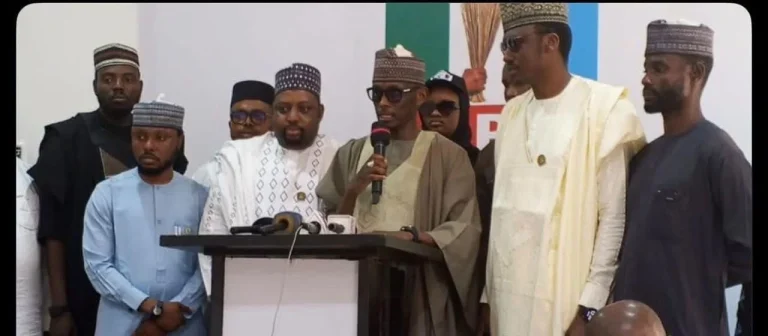
The issue resurfaced in October when Abba unveiled the Haske Bola Tinubu Organization, a platform to mobilize support for the President. On October 31, he pledged 10 buses to the effort and announced plans for a two-million-man march across the six geopolitical zones.
In the same vein, on November 2, a video of Ozonna Soludo, son of Anambra State Governor Chukwuma Soludo, dancing to an NDC campaign song associated with Peter Obi circulated widely on social media. The video carried the NDC logo and an image of Obi. Reactions followed because of the past political disagreements between Soludo and Obi, particularly after Soludo criticized Obi’s 2023 presidential ambition.
Soludo has said the differences have not destroyed their personal relationship. In an interview with BBC News Igbo, published by PUNCH on November 3, he said he and Obi remain friends and their families have cordial ties.
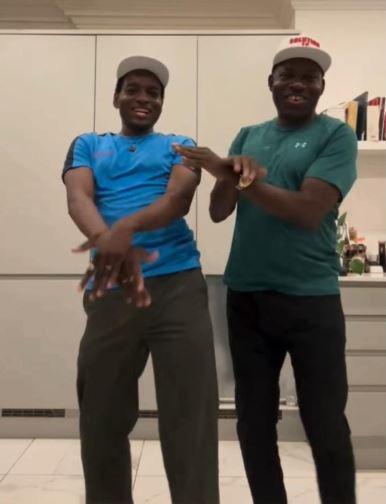
Dancing to a campaign song does not necessarily amount to a formal endorsement or party membership, and neither Ozonna nor the governor’s office had explained the video as of the latest reports.
Both instances show that political beliefs are not necessarily inherited. Children of politicians often draw attention when their positions differ from their parents’, and their actions are frequently read in relation to their parents’ politics. Social media has also made it easier to express political leanings without formally declaring or joining a party.
The question that remains is whether the children of politicians should be expected to carry their parents’ loyalties, or be free to make independent choices, even when those choices lead in completely different directions.