
Compiled By: Malami Haruna Dogon daji
02 NOVEMBER, 2026
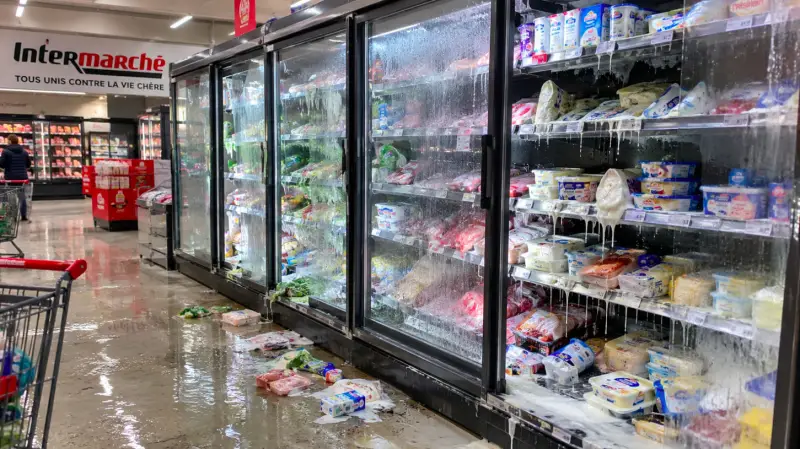
Grocery store chains across at least seven European countries were thrown into crisis on Monday after suspected remote cyberattacks forced commercial cooling systems to shut off or ramp up temperatures to as high as 50°C, causing widespread food spoilage and highlighting critical vulnerabilities in connected infrastructure.
A Deliberate Attack on Essential Infrastructure
Major retail operators in Belgium, Sweden, Luxembourg, Ireland, Estonia, Finland, and the Netherlands reported widespread disruptions to their cold storage infrastructure on Monday. The European Union strongly condemned the incident, describing it as a deliberate act aimed at undermining consumer confidence and destabilising economic activity.
In several documented cases, hackers remotely accessed unpatched management interfaces on internet-connected industrial thermostats, overriding temperature limits and forcing stores to discard thousands of Euros in perishable stock.

“They are hacking the system that is doing the registration of the temperature, and they can program it at a distance… Wake up, please, because there’s something going on.” — Luc De Laet, Belgian Retail Business Owner
Legacy Hardware and the Operational Risk
Cybersecurity researchers revealed that the breach targeted legacy industrial refrigeration units manufactured by external suppliers like Danfoss, Dixell, and Copeland. Many affected units were older models operating on unencrypted connections or connected via legacy 4G networks rather than isolated, updated network frameworks.
This marks the second major wave of infrastructure hacks hitting European grocery networks in recent weeks, following similar disruptions in France. Security experts stress that legacy smart infrastructure often lacks security patches, rendering critical supply networks vulnerable to remote disruption.
Critical Cybersecurity Lessons for Nigeria’s Emerging Tech Sector
As Nigeria rapidly digitises its agricultural, industrial, and retail logistics pipelines, the incident serves as a vital wake-up call for domestic supply chain management.
The National Information Technology Development Agency (NITDA) mandates strict security protocols for critical infrastructure under its digital operational guidelines. Ensuring robust operational technology (OT) security, isolating smart sensors from public internet access, and performing mandatory threat assessments remain imperative safeguards against potential hybrid security threats.
The Social Call-to-Action (CTA) As industrial devices become increasingly connected to the internet, how should Nigerian businesses and regulatory agencies safeguard critical cold chains and logistics infrastructure? Share your perspective on NTA’s digital channels using