
Lead
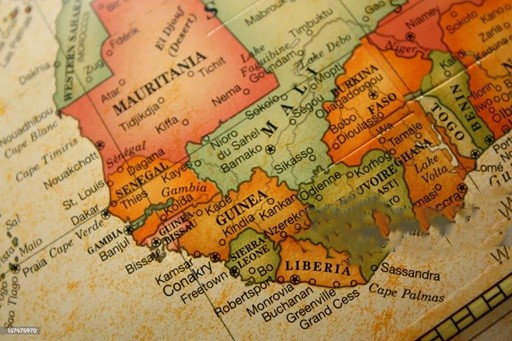
For decades, West Africa’s borders symbolized trade, brotherhood, culture, and movement. Today, many of those same borders have become frontlines in an expanding war against terrorism.
From the Lake Chad Basin to the Sahel and increasingly toward coastal states, extremist violence is spreading faster than governments can contain it. Armed groups now move across national boundaries with alarming ease, exploiting weak institutions, poverty, political instability, and fragile cooperation between states.
But amid the fear and uncertainty, one powerful realization is beginning to shape the region’s future: no West African country can defeat terrorism alone.
That realization is now driving one of the most critical regional security efforts in Africa’s modern history.

As President of the ECOWAS Commission, Omar Alieu Touray, warned during a United Nations Security Council briefing in 2025:
“Terrorism, once limited to pockets of the Sahel and the Lake Chad Basin, has now grown into a region-wide threat capable of destabilizing all of West Africa.”
His statement was not merely diplomatic language. It was a warning to an entire region standing at the edge of a dangerous turning point.
A Threat That No Longer Respects Borders
The terrorism crisis in West Africa has transformed dramatically over the last decade.
What began primarily as Boko Haram’s insurgency in northeastern Nigeria has evolved into a wider network involving extremist factions linked to Al-Qaeda affiliates, Islamic State groups, armed militias, traffickers, and criminal gangs operating across multiple countries.
Today, attacks once concentrated in Mali, Burkina Faso, Niger, and northeastern Nigeria are increasingly threatening coastal nations such as Benin, Ghana, Togo, and Côte d’Ivoire.
The threat is no longer isolated.
It is regional.
And its consequences now extend beyond security.
Terrorism is disrupting agriculture, trade, education, healthcare, transportation, and democratic governance. Entire communities have been displaced, while thousands of families continue living under fear and uncertainty.
Security analysts argue that extremist groups have succeeded partly because they understand something governments are still struggling to fully embrace: coordination.
Terrorist networks collaborate across borders.
Governments often do not.
ECOWAS and the Search for Collective Security
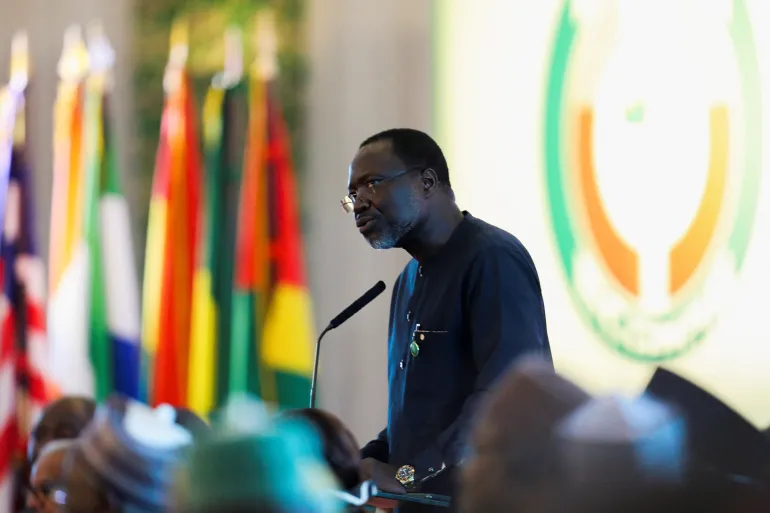
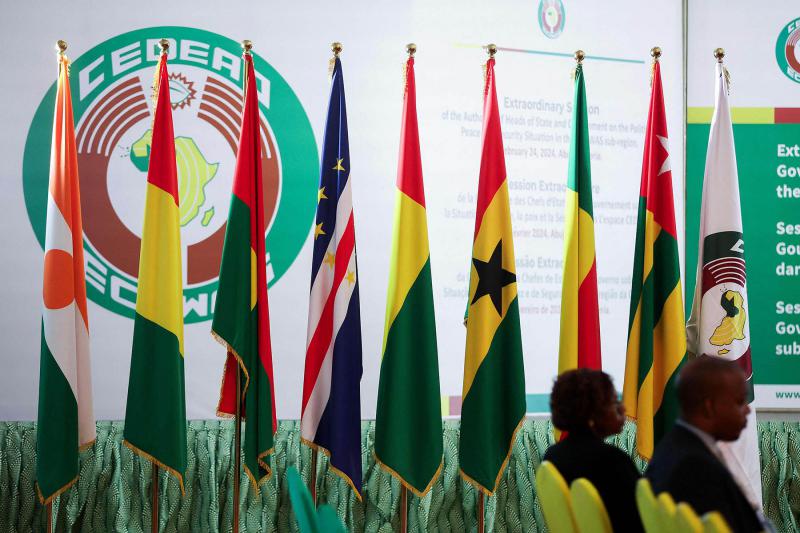
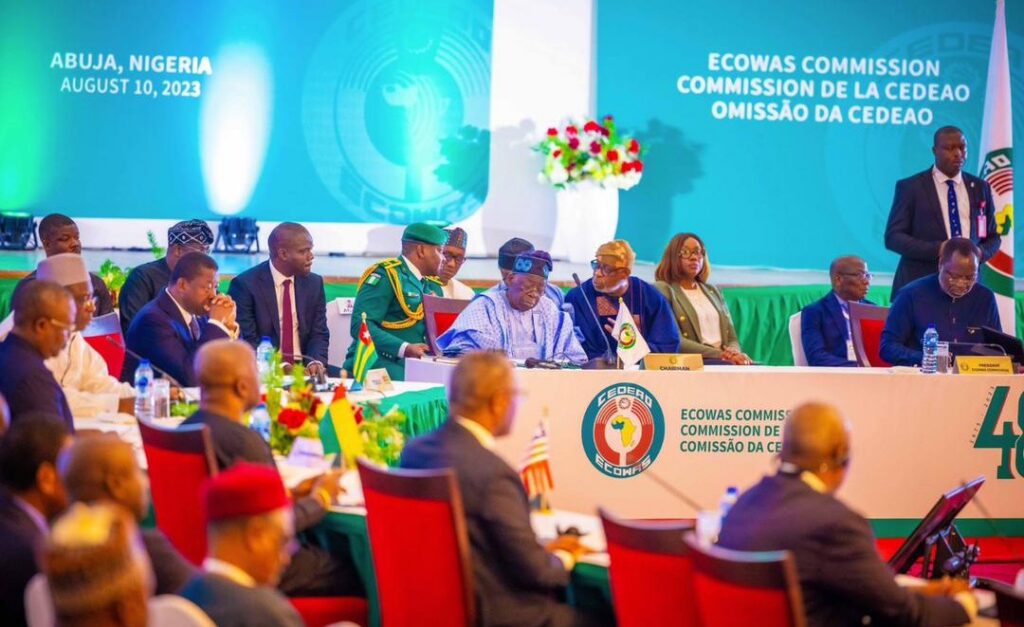
At the center of regional counter-terrorism efforts is the Economic Community of West African States (ECOWAS), which developed a regional counter-terrorism framework focused on prevention, military response, intelligence sharing, and reconstruction.
The strategy recognized a critical truth:
terrorism cannot be defeated through military force alone.
Beyond battlefield operations, the framework emphasizes:
- intelligence cooperation,
- border security,
- anti-radicalization efforts,
- institutional strengthening,
- humanitarian support,
- and rebuilding communities affected by violence.
The goal is not only to eliminate armed groups, but to weaken the conditions that allow extremism to grow.
Yet implementation has faced serious obstacles.
Political tensions, economic strain, military coups, and institutional mistrust have repeatedly slowed regional progress.
Still, regional leaders insist cooperation remains the only sustainable path forward.
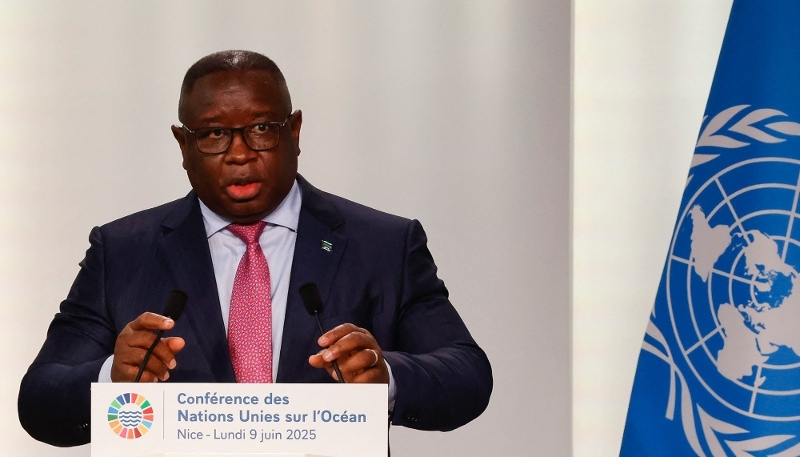
Speaking on the growing threat of extremism, Sierra Leonean President and former ECOWAS Chair, Julius Maada Bio, stated:
“Terrorism was a collective global challenge, which required renewed global cooperation in order to curb and conquer.”
That statement reflects an increasingly urgent reality:
isolated national responses are no match for transnational extremist networks.
The Multinational Joint Task Force: Proof That Cooperation Can Work
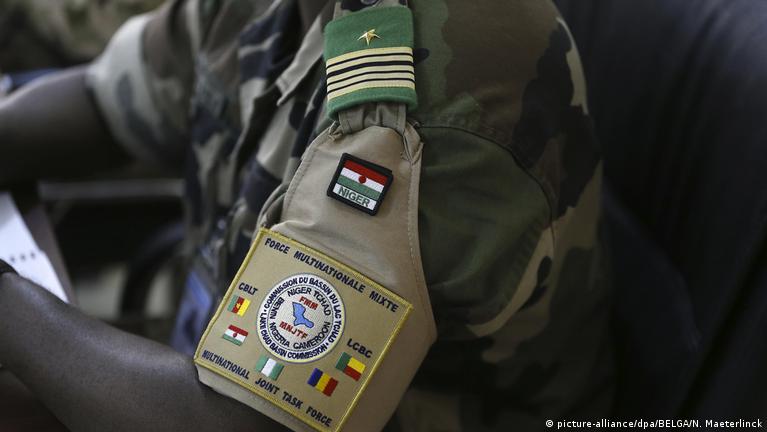
One of the clearest examples of regional security collaboration is the Multinational Joint Task Force (MNJTF).
Established under the Lake Chad Basin Commission, the force brings together troops from Nigeria, Chad, Cameroon, and Benin to combat Boko Haram and related insurgent groups.
Its operations helped reduce some of the devastating attacks witnessed during Boko Haram’s territorial expansion between 2014 and 2015.
The mission also improved humanitarian access and restored relative stability to several communities around the Lake Chad region.
Yet challenges remain significant.
Extremist groups have adapted by decentralizing operations, exploiting remote terrain, and taking advantage of porous borders and governance gaps.
Funding shortages, coordination difficulties, and uneven military capacity continue to limit the force’s long-term effectiveness.
Still, the MNJTF demonstrated something important:
when West African states cooperate sincerely, progress is possible.
The Coastal Fear: Why the Accra Initiative Matters
As insecurity spread southward from the Sahel, another regional platform emerged — the Accra Initiative.
Launched in 2017 by Benin, Burkina Faso, Côte d’Ivoire, Ghana, and Togo, the initiative focuses on preventing violent extremism from taking root in coastal West Africa.
The concern is serious.
If extremist groups establish stronger operational networks along coastal corridors, the consequences could extend far beyond security.
Trade routes, tourism, ports, foreign investment, and economic stability across West Africa could all come under severe pressure.
This explains why many analysts now view the protection of coastal states as one of the defining security priorities of the next decade.
Political Divisions Are Becoming a Security Risk
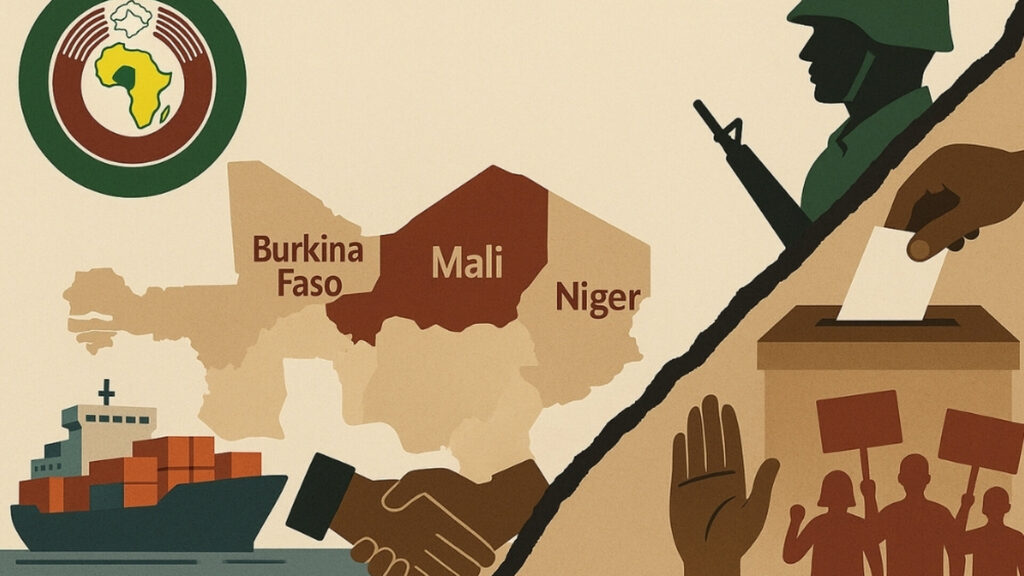
Ironically, at the moment regional cooperation became most necessary, West Africa entered one of its deepest political crises in recent history.
Military coups in Mali, Burkina Faso, and Niger strained relations with ECOWAS and contributed to the emergence of the Alliance of Sahel States (AES).
The result has been growing political fragmentation across the region.
Diplomatic trust weakened.
Security coordination slowed.
Intelligence sharing became more difficult.
Meanwhile, extremist groups continued expanding operations.
Benin’s President, Patrice Talon, openly expressed frustration over the lack of security cooperation from some Sahelian governments:
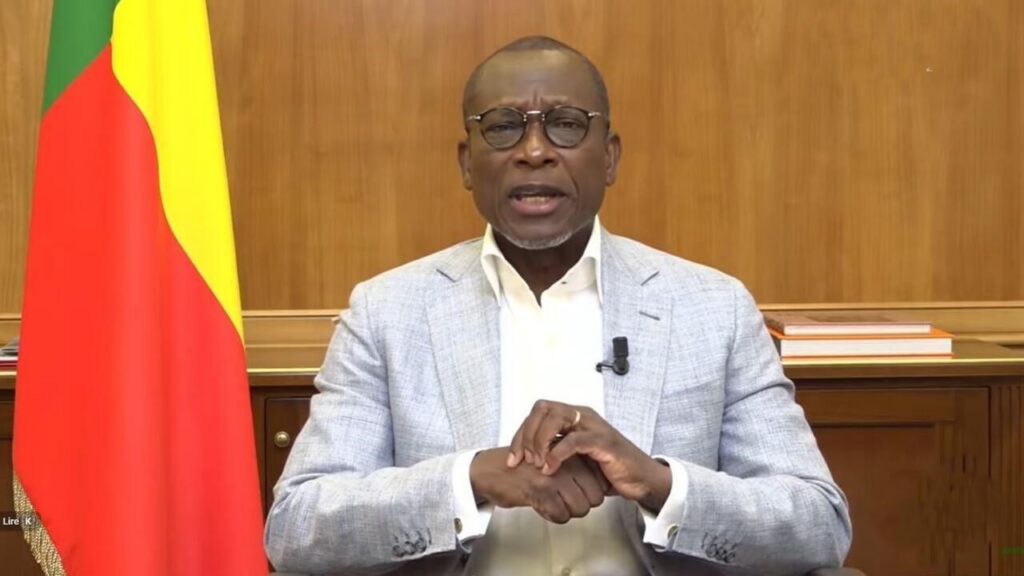
“We regularly follow up, explaining that security cooperation would not only help us escape the asymmetric conflict we are suffering, but would also serve their security interests. We got no response.”
His remarks reveal a troubling contradiction:
terrorist groups are becoming increasingly coordinated while governments risk becoming increasingly divided.
Why Military Force Alone Cannot Win This War
Perhaps the most important lesson emerging from West Africa’s counter-terrorism experience is that terrorism cannot be defeated by weapons alone.
In many vulnerable communities, extremist groups thrive where governments fail to provide:
- security,
- education,
- economic opportunity,
- justice,
- and public trust.
For many young people trapped in poverty and instability, recruitment into armed groups is often driven less by ideology and more by frustration, desperation, or survival.
This reality is forcing policymakers to rethink security in broader terms.
Experts increasingly argue that defeating terrorism will also require:
- youth empowerment,
- economic inclusion,
- stronger institutions,
- anti-corruption reforms,
- quality education,
- accountable governance,
- and community engagement.
Without these reforms, military victories may remain temporary.
A Region Standing at a Defining Crossroads
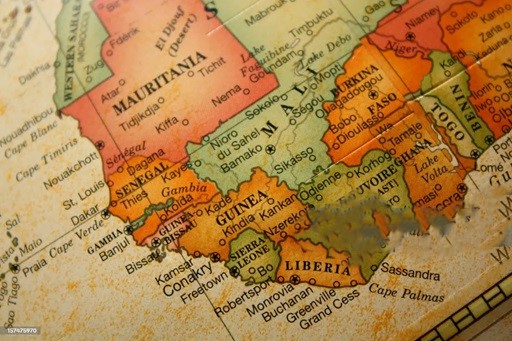
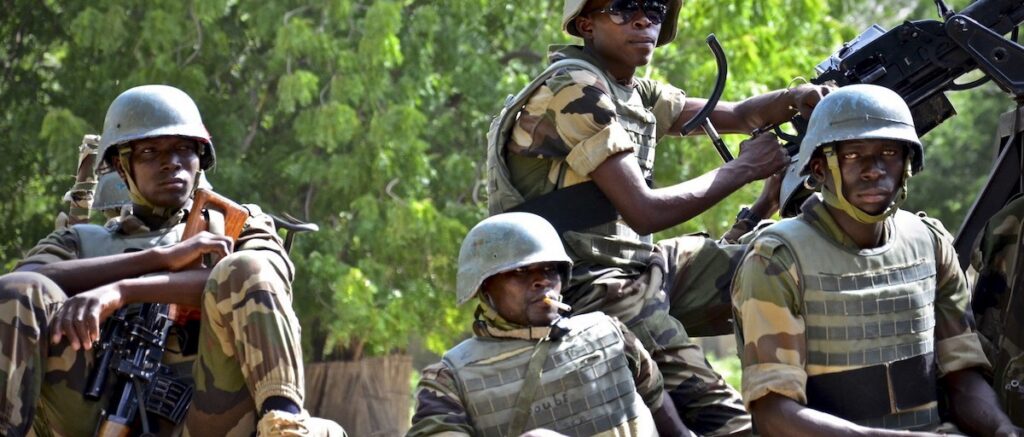
West Africa now faces one of the defining moments in its modern history.
The region can either allow political division, mistrust, and insecurity to deepen, or it can build a stronger culture of cooperation capable of resisting extremist expansion.
Nigeria’s President and ECOWAS Chair, Bola Ahmed Tinubu, captured this urgency while advocating for the activation of the ECOWAS Standby Force:
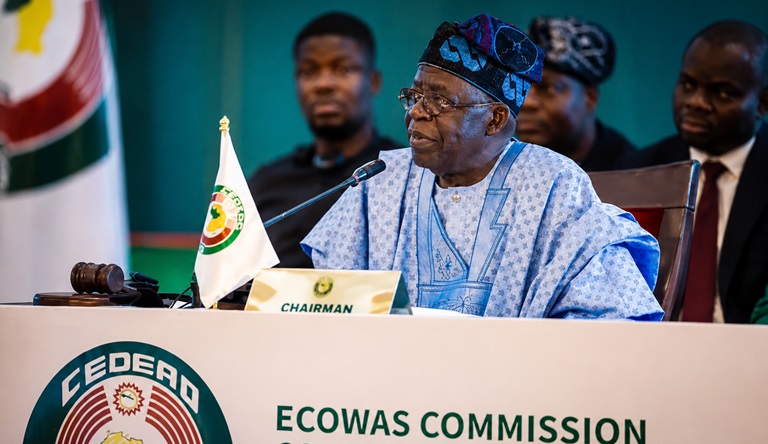
“No single country can tackle violent extremism alone.”
That statement may ultimately define the future of regional security.
Because terrorism is no longer attacking only villages, soldiers, or state institutions.
It is testing whether West Africa can rise above political disagreements long enough to defend a shared future.
A Call To Action: The Time for Regional Unity Is Now
West Africa cannot afford to treat terrorism as someone else’s problem anymore.
Governments must move beyond speeches and strengthen genuine intelligence sharing, border coordination, and military cooperation. Political rivalries must not become opportunities for extremist groups to expand.
Regional institutions must also invest beyond military force by prioritizing education, economic opportunity, youth development, and community resilience in vulnerable areas.
Civil society, religious leaders, media organizations, and citizens all have critical roles to play in rejecting extremist narratives and promoting unity over division.
The international community, too, must support African-led security solutions instead of fragmented interventions driven by foreign interests.
Most importantly, West African leaders must understand that history may judge this generation not by the speeches it delivered, but by whether it found the courage to cooperate when the region needed unity the most.
Because if terrorism succeeds in dividing West Africa further, the consequences could affect generations.
But if the region succeeds in building trust, strengthening institutions, and acting together, West Africa may yet prove that unity remains stronger than fear.