
The Lead
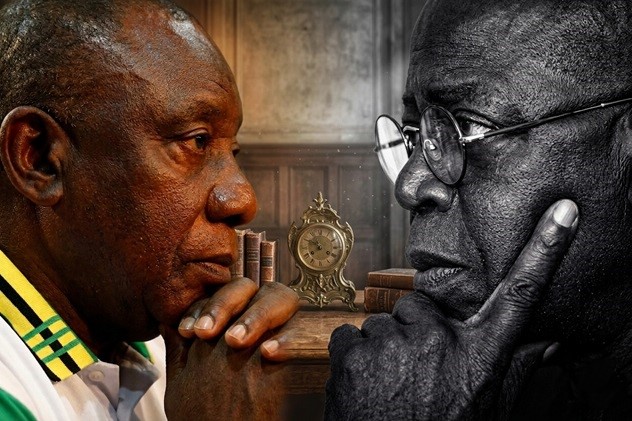
The foundational pillars of Pan-African solidarity are crumbling under the weight of state-sanctioned violence, as the “Rainbow Nation” transforms from a sanctuary of liberation into a theatre of lethal exclusion for Nigerian nationals.
A Watershed Moment: From Mob Justice to State Aggression
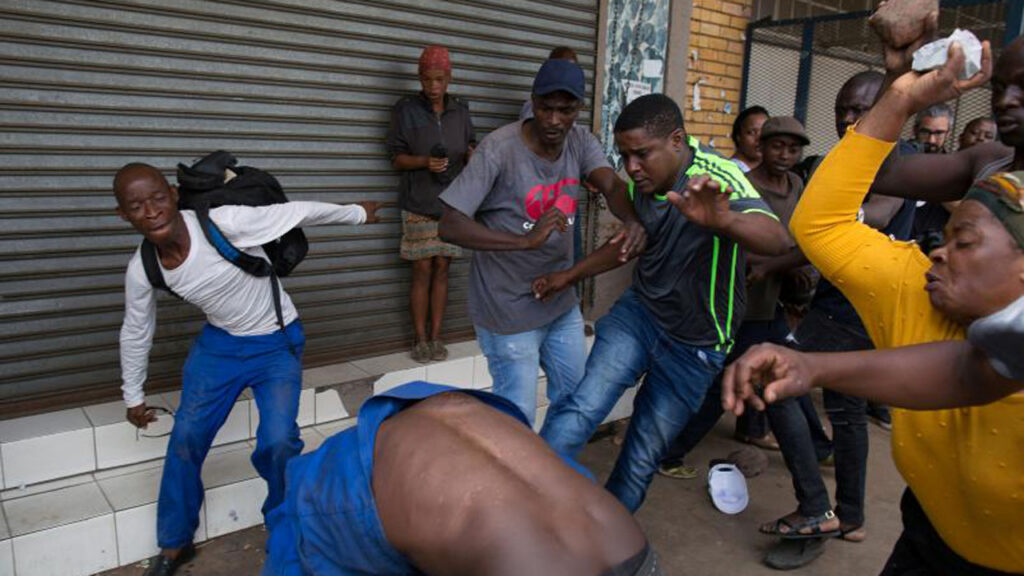
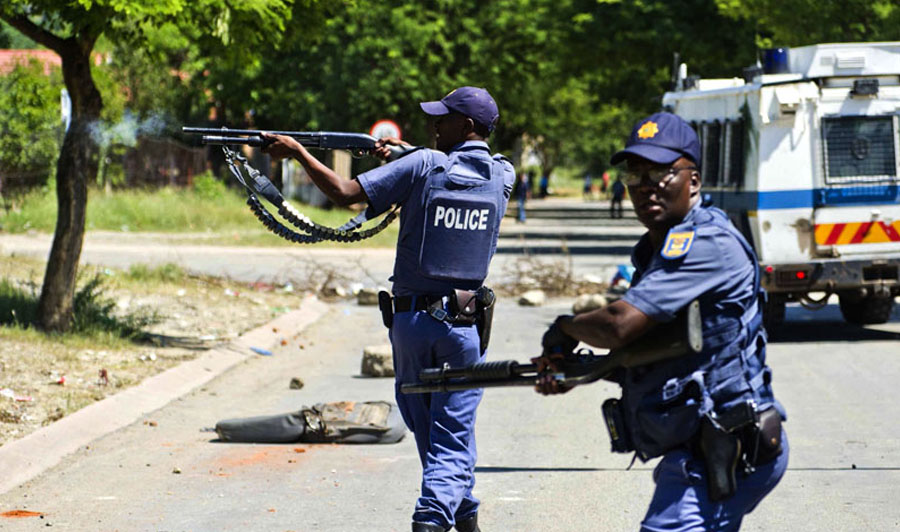
The diplomatic landscape between Abuja and Pretoria shifted fundamentally on 25 April 2026. In Port Elizabeth, the killing of two Nigerian citizens—Ekpenyong Andrew and Amaramiro Emmanuel—by personnel of the South African National Defence Force (SANDF) marked a terrifying escalation.
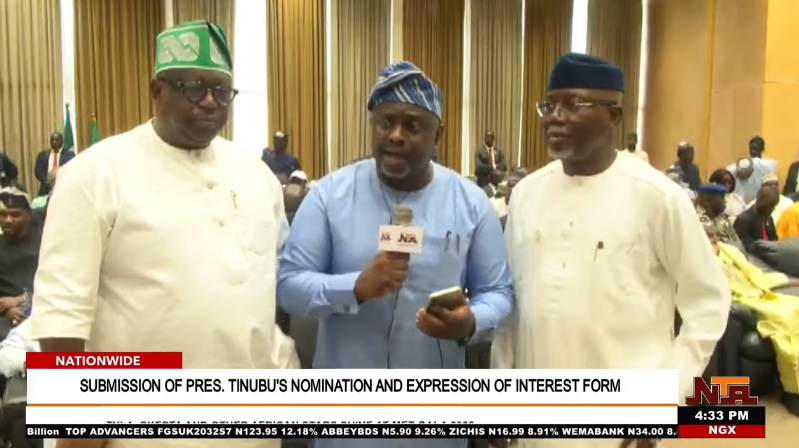
This transition from township mob lynchings to lethal force applied by state security agencies has exhausted the patience of the Nigerian government. Senator Adams Oshiomhole has already voiced the frustration of the political class, suggesting a “hit for hit” diplomatic approach that could see the revocation of licences for South African giants like MTN and DStv.
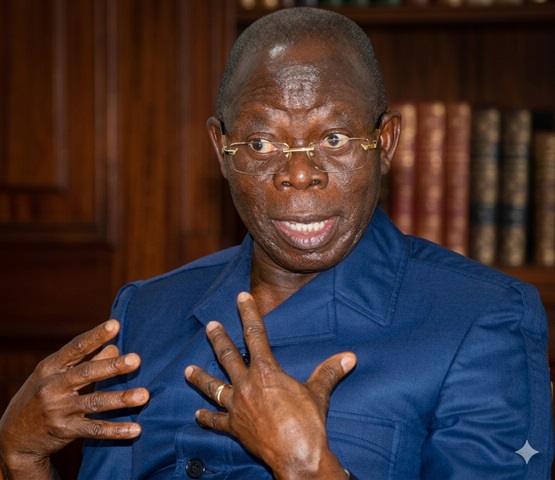
“I am not going to shed tears. If you hit me, I hit you… It is an economic struggle.”
— Senator Adams Oshiomhole
The Bitter Truth: The Scapegoat Narrative
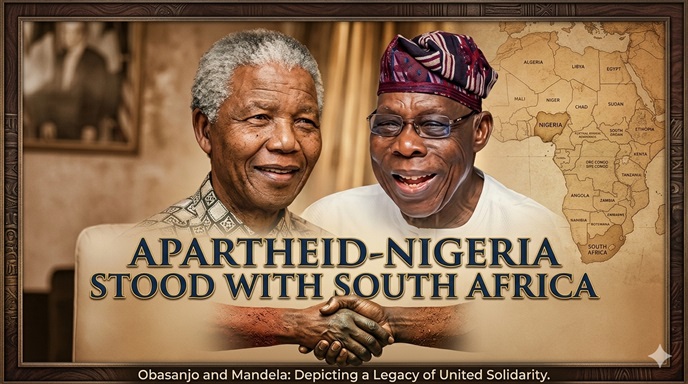
Why has the brotherly bond formed during the anti-Apartheid struggle dissolved? Research identifies a “Scapegoating Hypothesis” where Nigerian migrants are framed as “job stealers” and “burden-shifters” for the failures of the South African state in service delivery.
Political movements like Operation Dudula and parties such as ActionSA have leaned into populist platforms, linking foreign nationals to socioeconomic challenges. This narrative ignores the “Envy Hypothesis,” where the perceived success and “boastful demeanour” of Nigerian professionals and traders fuel resentment among locals who feel left behind by the post-Apartheid economic order.
Fast Facts: A Timeline of Friction
- 1960–1990: Nigeria provides sanctuary and millions in funding for the ANC’s struggle against Apartheid.
- 2008: The first massive uprising leaves 62 dead and 100,000 displaced.
- 2019: Peak “Digital Xenophobia” leads to the Air Peace evacuation of over 300 Nigerians.
- May 2026: Institutionalised attacks by state security forces bring relations to a historic low.
The Role of Impunity and Digital Hate
The South African government’s persistent “denialism” has created a permissive environment for hate. By framing xenophobic waves as “purely criminal acts,” Pretoria avoids the diplomatic embarrassment of admitting to systemic prejudice.
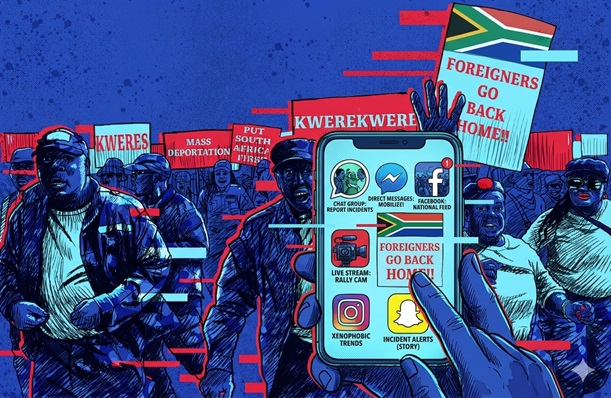
In 2026, this prejudice is amplified by digital vigilantism. AI-generated disinformation and recycled videos of “foreigners committing crimes” are coordinated via hashtags like #PutSouthAfricansFirst to incite physical assaults in transit hubs and retail centres.
Security Tactics for the Nigerian Diaspora
For our brothers and sisters currently navigating this hostile terrain, strategic awareness is now a requirement for survival. The Nigerian High Commission and NiDCOM recommend the following defensive measures:
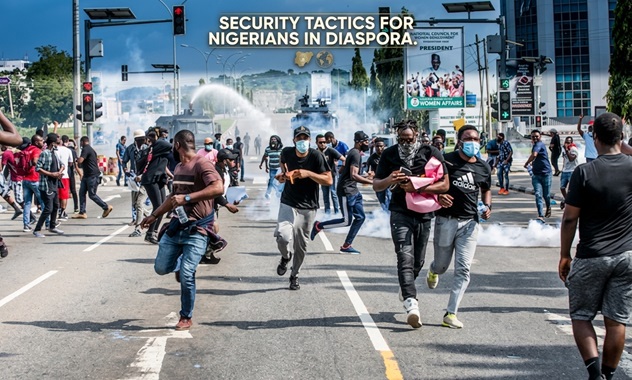
- Operational Pauses: Nigerian business owners are advised to close shops during planned protests or symbolic dates like Freedom Day (27 April), when anti-foreigner sentiment peaks.
- Flashpoint Avoidance: Data identifies taxi ranks and township retail centres as high-risk hubs for mob violence.
- Documentation as a Shield: While not a guarantee against harassment, maintaining digital and physical copies of valid permits reduces the leverage used by corrupt police during “documentation raids”.
- Collective Registration: Registering with diaspora associations like NICASA provides the necessary “political muscle” and legal representation to navigate the South African judicial system.
Conclusion: Toward Reciprocal Diplomacy
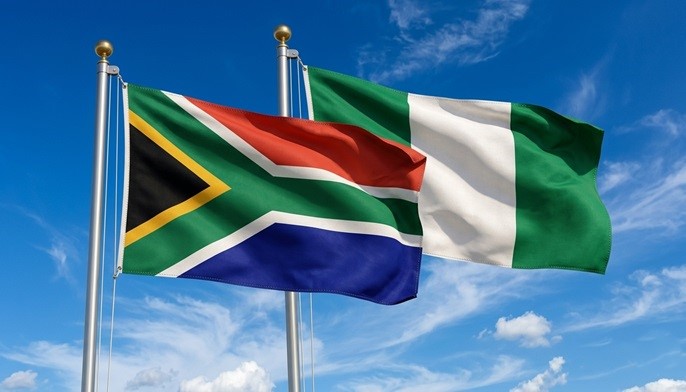
Nigeria must now move beyond “reactive diplomacy”. The establishment of a comprehensive diaspora registry and the potential implementation of reciprocal economic measures are no longer just options—they are necessities. Until the South African government treats xenophobia as a systemic violation of human rights rather than a random crime, the burden of security will rest on the resilience and tactical awareness of the Nigerian diaspora.
The Social Call-to-Action
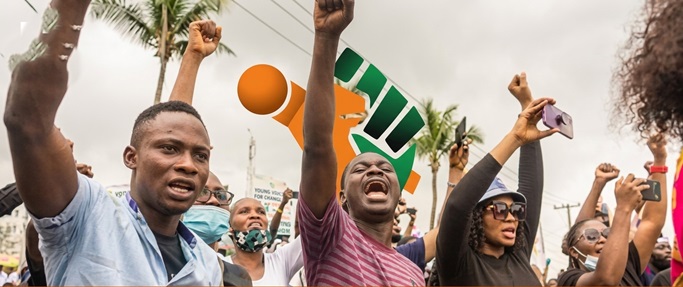
Do you believe Nigeria should begin revoking the licenses of South African companies in retaliation for the treatment of our citizens? Share your thoughts on NTANetwor @ Facebook and X platforms.