
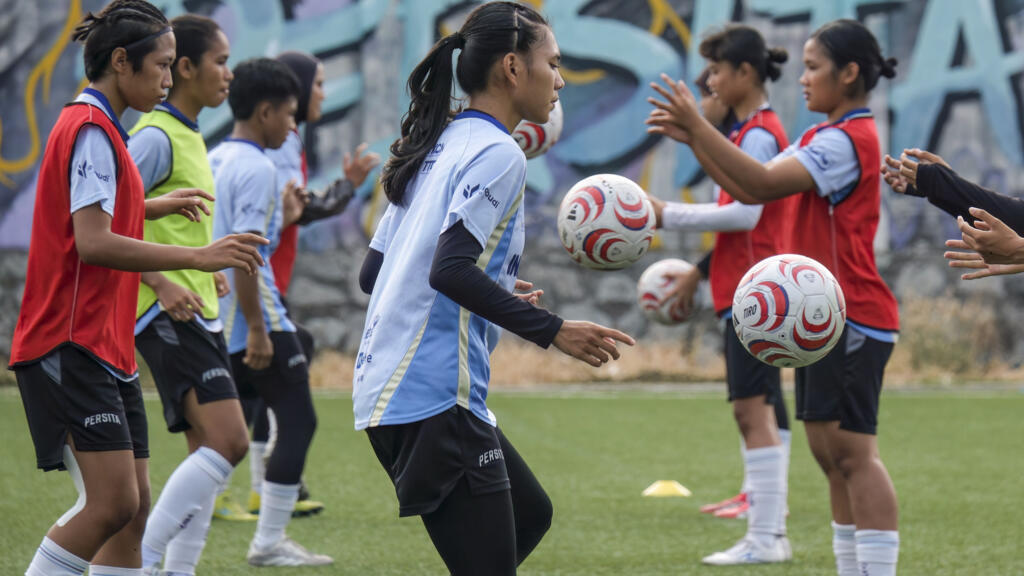
Indonesia’s women’s football league is set to return after a seven-year break, with players hoping the competition will provide a more stable future for the sport in the Southeast Asian nation.
The Indonesia Women’s League resumes on Sunday, marking the first matches since 2019, when its inaugural season was cut short by the COVID-19 pandemic and subsequent financial difficulties.
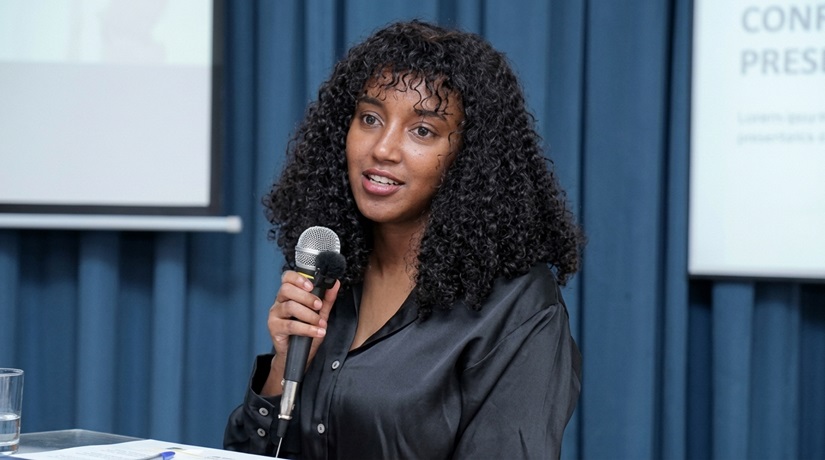
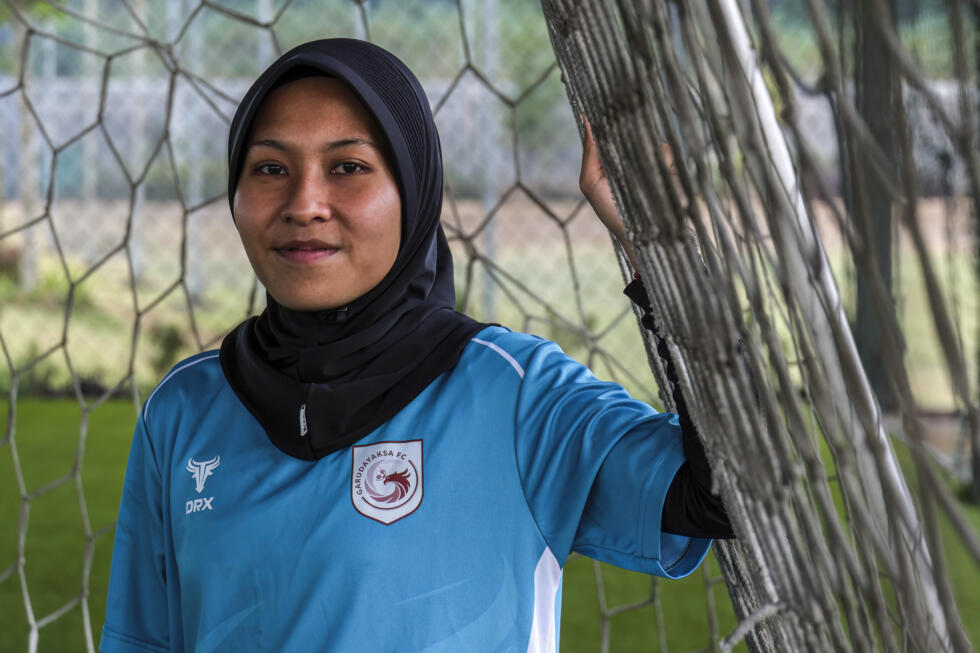
“I really believe that if Indonesia’s women’s football is properly managed, we can become a powerhouse in Asia,” 22-year-old midfielder Zahra Naqiyyah told Agence France-Presse (AFP).
Zahra, who helped her team win the inaugural competition at just 15, said she remained optimistic about the league’s return. “I have high hopes for women’s football in Indonesia,” she added.
The Football Association of Indonesia has allocated 24 billion rupiah, approximately $1.3 million, to revive the competition and support players’ salaries. Six clubs will participate in an initial five-year trial programme, according to PSSI chairman Erick Thohir, the former owner of Italian club Inter Milan.
The league’s absence has forced many players to abandon their football ambitions. Zahra said several of her former teammates quit because there were no regular competitions, while opportunities to transition into coaching were also limited.
Others have sought opportunities abroad. Nastasia Suci Ramadhani, 20, returned to Indonesia in January after playing in the Maldives last year. Although she is back on the pitch, she remains uncertain about the league’s long-term future and is studying management at university.
“For men there’s a league every year, but for women there isn’t,” she said.
Indonesia’s women have never qualified for the FIFA Women’s World Cup and missed out on the 2026 AFC Women’s Asian Cup, although they reached the continental tournament in 2022. The national team has, however, won the ASEAN Football Federation Women’s Cup in 2024 and 2026.
Ranked 105th in the world, Indonesia will need sustained investment and regular competition to improve its standing.
About 200 players from clubs across Greater Jakarta are expected to feature in the league’s return. Organisers say the long-term ambition is to build a sustainable women’s football industry that can support clubs, players and other professionals working in the sport.
IWL chief Teddy Tjahjono said a stronger industry would improve the financial position of clubs and players while strengthening the wider support system around women’s football.
“If the industry is strong, then financially it will be good for the clubs, for the players and for the entire support system around women’s football, which will also continue to improve,” he told AFP.