
Compiled By: Malami Haruna Dogondaji
15 OCTOBER 2026
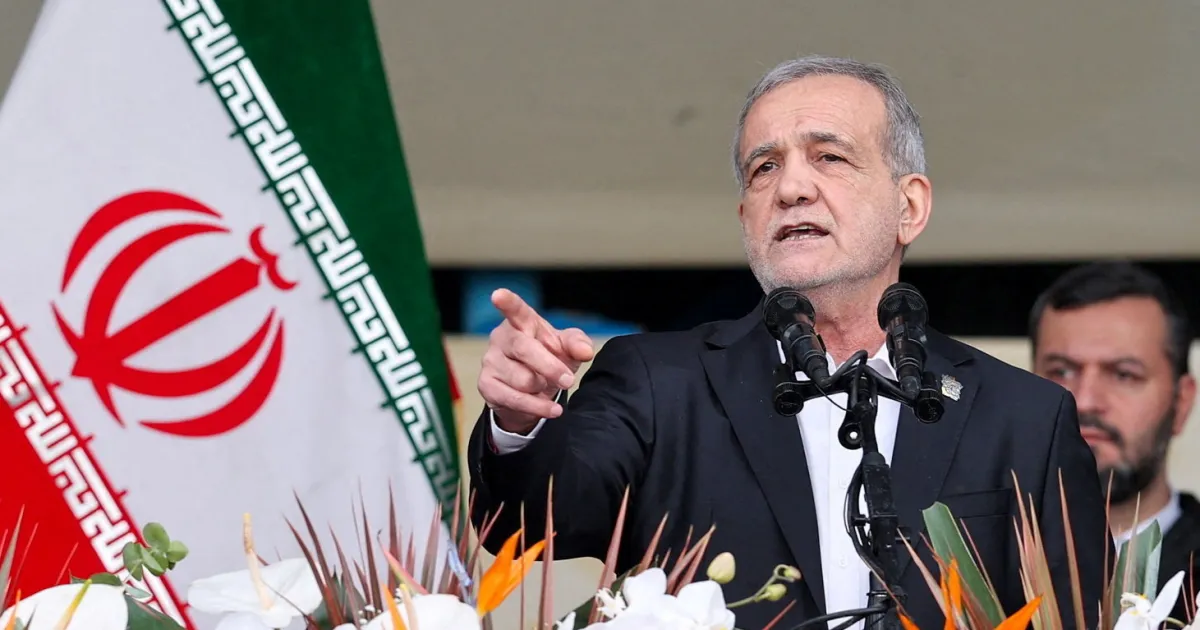
Iranian President Masoud Pezeshkian has issued a stern warning that the United States is weaponising economic blockades and severe financial pressure to manufacture public discontent and ignite anti-government protests across Iran.
Resisting the “Most Severe Pressure”
Speaking through state-run media, President Pezeshkian framed the ongoing geopolitical standoff as the nation’s most acute economic and political challenge since the 1979 Islamic Revolution. He accused foreign adversaries of attempting to block his administration from serving ordinary citizens, hoping that crushing economic hardship would catalyze social upheaval aligned with Washington’s strategic objectives.
Despite these compounding pressures, Pezeshkian pledged that Tehran would weather the storm through domestic production, robust exports, and strategic national unity, asserting that the nation’s entrepreneurs and producers would refuse to bow to coercion.
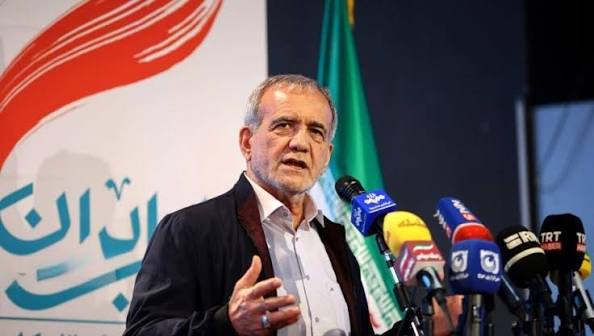
President Masoud Pezeshkian said the United States hopes economic hardship will trigger social protests and serve its objectives, but Iran would resist through national unity and domestic resilience.
The Anatomy of the Blockade
The presidential remarks arrive against the backdrop of an intensive U.S. naval blockade and heightened patrols around critical Iranian shipping lanes and the Strait of Hormuz.
- Plummeting Exports: Enforcement measures have drastically reduced Iran’s oil revenue streams, severely straining national budgets.
- Infrastructure Strain: Pezeshkian highlighted targeted pressures affecting national transport corridors, factories, gas networks, and power plants.
- No Direct Talks: The Iranian leadership has maintained a hard line, reiterating that Tehran will not enter direct negotiations while the coercive maritime blockade remains active.
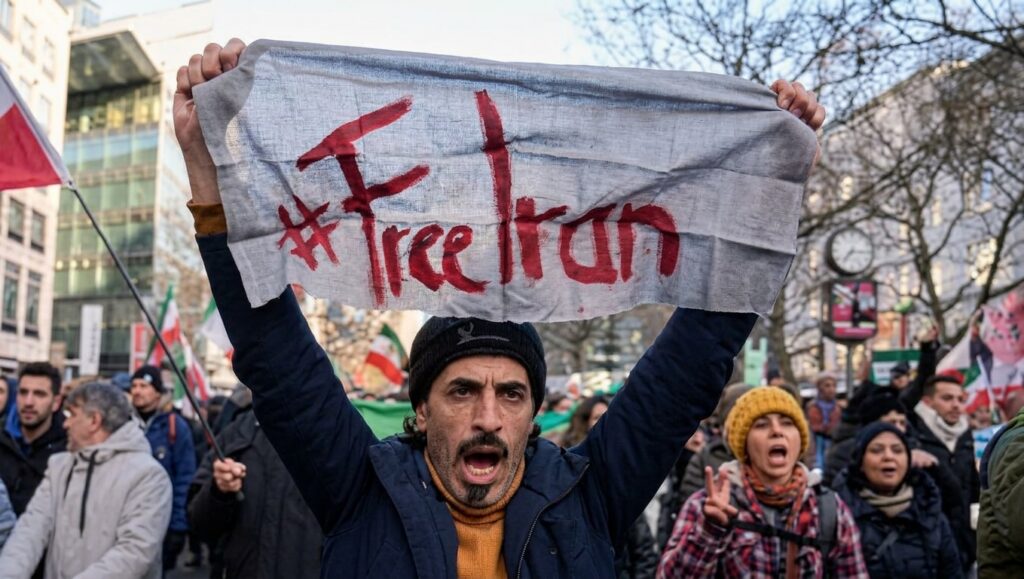
Fast Facts: Iran’s Current Crisis
- Historical Scale: Framed by leadership as the worst pressure witnessed in the 48 years since the 1979 Revolution.
- Core Vulnerabilities: Plummeting oil revenues, constrained import capacities, and rising domestic fuel costs.
- Internal Strain: Parliamentary pressure on cabinet ministers and public friction over economic management.
Domestic Political Tremors
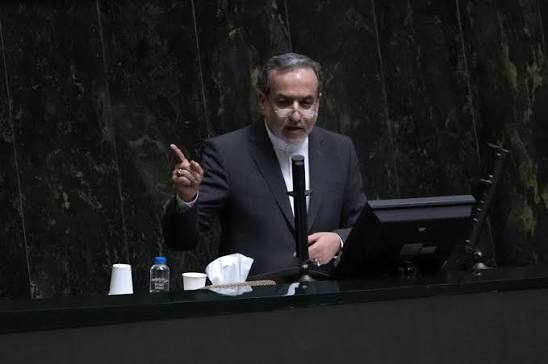
Beyond external containment strategies, Pezeshkian’s administration is navigating severe domestic political friction. Hardliners within parliament have amplified pressure on the executive branch, initiating scrutiny against Foreign Minister Abbas Araghchi over diplomatic contacts with U.S. interlocutors. Meanwhile, Oil Minister Mohsen Paknejad recently tendered his resignation amid the escalating economic fallout.
By framing the economic crisis as an existential external threat, Pezeshkian’s messaging seeks a dual purpose: rallying public endurance against foreign interference while urging political solidarity to prevent internal fragmentation that could favor external adversaries.
The Social Call-to-Action (CTA)
How can regional diplomacy address escalating maritime blockades before they spark broader humanitarian and economic crises? Share your thoughts on NTA’s digital platforms @NTA Network.