

From record-breaking cinema audiences and box-office milestones to artificial intelligence and international recognition, Abuja-based filmmaker and writer Kenneth Kamah explores how Nigeria’s film industry is redefining the country’s storytelling and presenting a new image of Nigeria to the world.
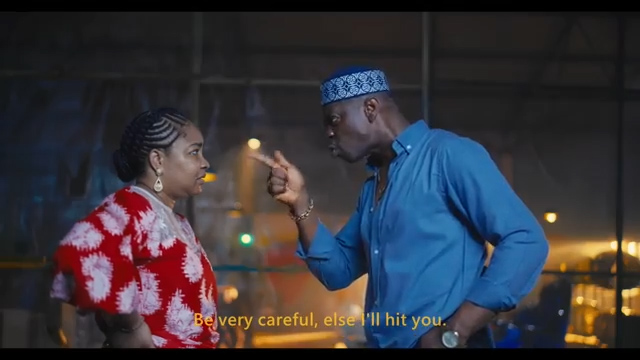
On the night of September 26, 2026, Tafawa Balewa Square in Lagos became the setting for a remarkable moment in Nigerian cinema. A crowd of 51,258 people gathered to watch a film, turning the premiere of Black Market, a Nigerian crime thriller produced by Nora Awolowo and directed by Fatimah Binta Gimsay, into a Guinness World Records achievement.
The screening set a new record for the largest attendance at a film screening, surpassing the previous benchmark of 43,624 people set in the Philippines in 2015. The film follows five women caught in a cross-border smuggling operation whose lives take a dramatic turn after a child is kidnapped. Its themes of economic survival, loyalty and the consequences of criminal networks provided the backdrop to an event that demonstrated the extraordinary power of cinema to mobilise audiences.
Beyond the record itself, the gathering offered a compelling illustration of Nollywood’s growing cultural significance. For decades, Hollywood represented the dominant global model of filmmaking, backed by enormous production budgets, sophisticated visual effects and international distribution networks. Nollywood, meanwhile, built its reputation on productivity, resourcefulness and stories that resonated deeply with Nigerian audiences, often working with comparatively limited resources.
That distinction is becoming less straightforward. Nigerian filmmakers are expanding their commercial ambitions, experimenting with new technologies and pursuing recognition beyond their traditional markets. The industry’s evolution is not simply about competing with Hollywood; it is also about building a more sustainable creative economy and establishing Nigerian stories as an influential part of global popular culture.
The Box-Office Breakthrough
One of the clearest indicators of this changing landscape is the performance of local films at the cinema.
FilmOne Entertainment’s 2025 West Africa Box Office Scorecard reported a record ₦15.6 billion in theatrical revenue across Anglophone West Africa, representing a 34.7 per cent increase on the previous year. The figures covered Nigeria, Ghana and Liberia, with cinema admissions reaching 2.79 million across 122 cinemas.
More strikingly, Nollywood captured 49.4 per cent of the region’s box-office revenue, edging out Hollywood’s 48.8 per cent. It was the first time local productions had overtaken Hollywood films in the recorded regional market share, a milestone that highlighted the growing appetite for homegrown stories.
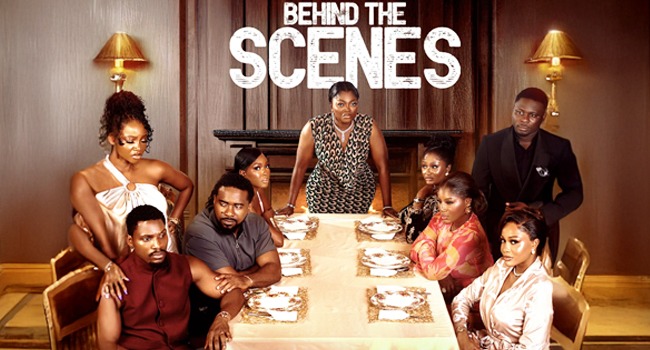
At the centre of Nollywood’s commercial success is filmmaker and actor Funke Akindele, whose releases have increasingly become major cultural events. Everybody Loves Jenifa, released in late 2024, drew on an established character with a loyal following, while Behind the Scenes went on to gross approximately ₦1.77 billion by early January 2026. Other Nigerian titles, including Gingerrr and Oversabi Aunty, also recorded significant earnings.
These performances suggest that audiences are willing to invest in Nigerian cinema when compelling storytelling, effective promotion and strong production values come together. The success also demonstrates the commercial value of familiar characters, relatable social experiences and stories that reflect the realities of local audiences.
However, box-office growth alone does not resolve the industry’s longstanding challenges. Sustaining the momentum will require more screens, stronger distribution networks, improved financing and opportunities for independent filmmakers to reach audiences beyond the major commercial releases.
Artificial Intelligence Opens a New Frontier
While Nollywood continues to strengthen its position in traditional cinemas, another development is expanding the possibilities for Nigerian storytellers: artificial intelligence.
AI-assisted filmmaking is creating new ways to develop visual worlds, produce animation, reimagine folklore and experiment with documentary storytelling. For creators working with limited budgets, these tools offer opportunities to explore ideas that might otherwise require expensive equipment, large production teams or extensive post-production resources.
The Naija Artificial Intelligence Film Festival (NAIFF), founded by creative entrepreneur Obinna Okerekeocha, has emerged as a platform for exploring this intersection between technology and African storytelling.

Among the Nigerian creatives associated with the wider AI storytelling movement is Malik Afegbua, a filmmaker and creative technologist whose Elder Series gained international attention for its digitally generated images of older African models on a fashion runway. The project challenged conventional representations of ageing and African identity, demonstrating how emerging technology can be used to explore social questions as well as visual aesthetics.
Afegbua’s work illustrates a broader opportunity for Nigerian creators: AI can help them develop distinctive visual languages rooted in African experiences, rather than merely reproduce styles established elsewhere.

NAIFF’s awards also reflect efforts to connect emerging technology with cultural identity. Categories such as “Naija Soul”, which recognises cultural interpretation through AI, encourage creators to explore how digital tools can support the expression of indigenous traditions, folklore and contemporary Nigerian life.
The potential is considerable, particularly for young filmmakers who may lack access to the financing and infrastructure required for conventional large-scale productions. But AI is not a substitute for compelling writing, cultural knowledge or responsible creative judgment. Its value ultimately depends on the ideas filmmakers bring to the technology and how effectively they use it to tell stories.
As filmmaker Merit Maka observes:
“The NAIFF award is not just diversification of cinema, it is an opportunity for creative filmmakers to bring their stories to life with the resources available and ultimately access to finance for cinema.”
The challenge ahead is to ensure that these opportunities translate into sustainable careers, financing and wider distribution for Nigerian creators, rather than remaining limited to festivals and online attention.
Taking Nigerian Stories to the Global Stage
As the industry expands commercially and technologically, it is also seeking greater recognition within the international film establishment.
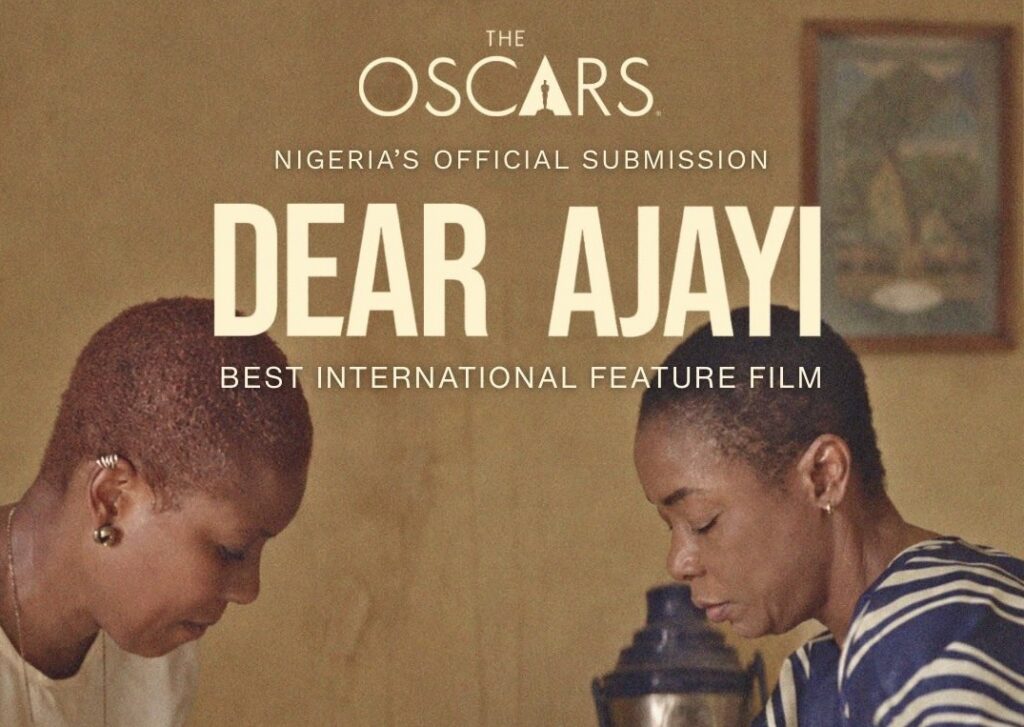
In October 2026, Nigeria submitted Damilola Orimogunje’s Dear Ajayi for consideration in the Best International Feature Film category at the 99th Academy Awards, according to the information provided for this feature. The family drama is set in southwestern Nigeria in the 1990s and follows two estranged sisters who reunite to care for their paralysed mother.
Through the sisters’ complicated relationship, the film explores family grievances, personal ambition and the responsibilities that can force people back into one another’s lives. Its setting and themes offer an opportunity to present a specifically Nigerian experience through a story with wider emotional resonance.
International recognition, however, requires more than submitting a film to a prestigious awards body. It depends on sustained investment in production, distribution, marketing and the development of stories capable of connecting with audiences across cultural boundaries.
For Nigerian filmmakers, the task is not to abandon local identity in pursuit of international approval. Rather, it is to demonstrate that stories grounded in Nigerian communities, languages, histories and social realities can travel without losing the qualities that make them distinctive.
A Changing Image of Nigeria
The significance of Nollywood extends beyond cinema tickets, festival awards and technological experimentation. Film provides a platform through which Nigerians can interpret their own experiences and introduce those experiences to international audiences.
The record-breaking Black Market screening demonstrated the scale of public enthusiasm that a film can inspire. The 2025 box-office figures revealed the commercial strength of local productions in a competitive regional market. AI-driven projects, meanwhile, point towards new ways of creating and presenting African stories, while international submissions offer opportunities to reach audiences beyond the continent.
Yet the industry’s next phase will depend on how effectively it converts these milestones into lasting progress. Filmmakers need access to finance, reliable distribution, stronger cinema infrastructure, professional training and protections that support creative work. Emerging technologies must also be adopted thoughtfully, with attention to originality, cultural authenticity and the livelihoods of creative professionals.
Nollywood’s story is therefore about more than catching up with Hollywood or celebrating individual box-office records. It is about building an industry capable of supporting talent, creating employment, preserving cultural memory and competing in an increasingly interconnected entertainment economy.

A new image of Nigeria is taking shape through these stories: ambitious, inventive and culturally confident. Whether that image becomes a lasting global presence will depend not only on the films Nigerians make, but also on the systems they build to ensure those films can be financed, seen and remembered.