
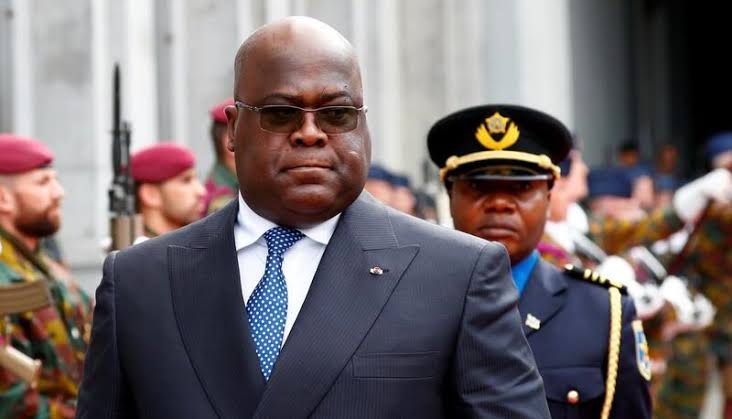
President Félix Tshisekedi of the Democratic Republic of Congo (DR Congo) has enacted a law establishing new conditions for organising referendums, a move that could open the way for constitutional changes in the country.
The legislation, numbered 26/045, was promulgated on November 9, 2026, and announced on national television on Tuesday, November 10.
It replaces the previous referendum law of June 22, 2005, and provides a broader framework for citizens to vote on national questions, including proposals for a new constitution or amendments to existing constitutional provisions.
Under the new law, a referendum may be initiated by the president, the government following approval by the Council of Ministers, half of the members of each chamber of parliament, or citizens through a petition.
The legislation also establishes procedures for referendum campaigns, voting operations, the participation of observers and journalists, the resolution of electoral disputes and penalties for offences.
The government has presented the legislation as an effort to give practical effect to the constitutional principle that national sovereignty belongs to the people, who can exercise it directly through elections and referendums.
However, its enactment has drawn criticism from opposition groups, who fear it could be used to remove constitutional restrictions on presidential tenure and allow Tshisekedi to seek another term.
The president is currently serving his second and final five-year term, which is due to end in 2028.
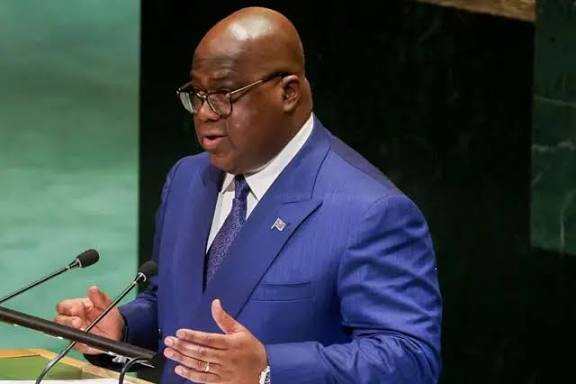
Opposition leaders argue that the new referendum framework could provide a route around these safeguards, particularly if a proposal for an entirely new constitution is put to a national vote.
The opposition has described the constitutional reform initiative as an attempt by Tshisekedi to remain in power beyond his constitutionally permitted two terms.
Tshisekedi has previously indicated that he would consider a third term if Congolese voters approved the move through a referendum.
In June 2026, the Senate approved the referendum legislation after the National Assembly had passed it. The process followed protests in Kinshasa against the proposed constitutional changes, with demonstrators and security forces clashing during an opposition rally.
The current constitution was adopted through a referendum in December 2005 and promulgated in February 2006, following years of political transition and conflict.
This has become the central legal question in the ongoing debate: whether a new constitution adopted through a referendum could lawfully replace the existing framework and reset presidential term limits.
Although the new law establishes the procedures for organising referendums, its promulgation does not mean that a referendum has been called or that the constitution has already been changed.
With the next presidential election scheduled for 2028, the constitutional question is expected to remain a major source of political tension as the country approaches the end of Tshisekedi’s second term.