
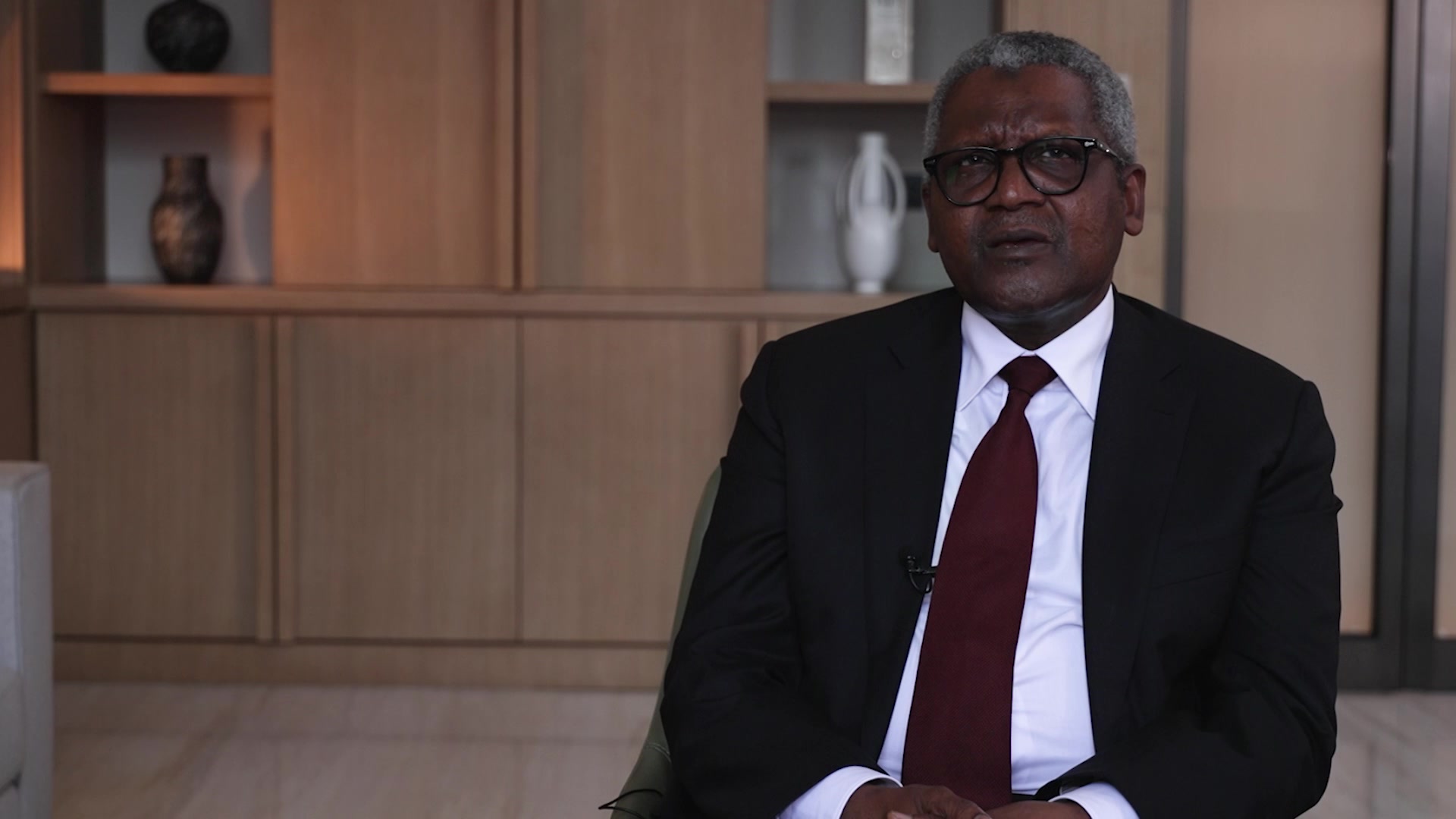
Nigerian businessman Aliko Dangote says Africa could become largely self-sufficient in refined petroleum products by 2030, as new and expanded refineries across the continent seek to reduce reliance on fuel imports.
Dangote told AFP that he expects Africa to make significant progress towards energy self-sufficiency over the next four years, pointing to growing refining capacity and investments aimed at reducing the continent’s dependence on imported fuel.
Africa currently imports more than 70 percent of its refined fuel, according to figures cited by the Africa Finance Corporation. Dangote said the expansion of refining capacity could significantly change that situation by the end of the decade.
At the centre of the expansion is the Dangote Petroleum Refinery in Lagos, which currently has a refining capacity of about 700,000 barrels per day. The facility already produces enough fuel to exceed Nigeria’s domestic demand and has begun exporting refined products.
Dangote is also pursuing plans to expand the Lagos refinery to 1.4 million barrels per day, while the company is developing a separate 700,000-barrel-per-day refinery in Kenya. The Kenyan project is expected to strengthen fuel supply in East Africa and reduce dependence on imports.
The Nigerian businessman has increasingly positioned his refining projects as part of a broader effort to strengthen Africa’s energy security. In September, he also backed a $660 million petroleum pipeline project linking Djibouti and Ethiopia, designed to improve the movement and distribution of refined petroleum products in the region.
However, the transition will depend on several factors, including the availability of crude oil, infrastructure, investment and the ability of new refineries to operate consistently. Dangote’s own Nigerian refinery, for instance, has identified reliable crude supply as an important requirement for maintaining efficient operations as its capacity expands.
With Africa still heavily dependent on imported refined products, Dangote’s 2030 projection represents an ambitious shift in the continent’s energy landscape. Whether that target is achieved will depend on how quickly refining projects come on stream and how effectively countries address the infrastructure and supply challenges surrounding them.