

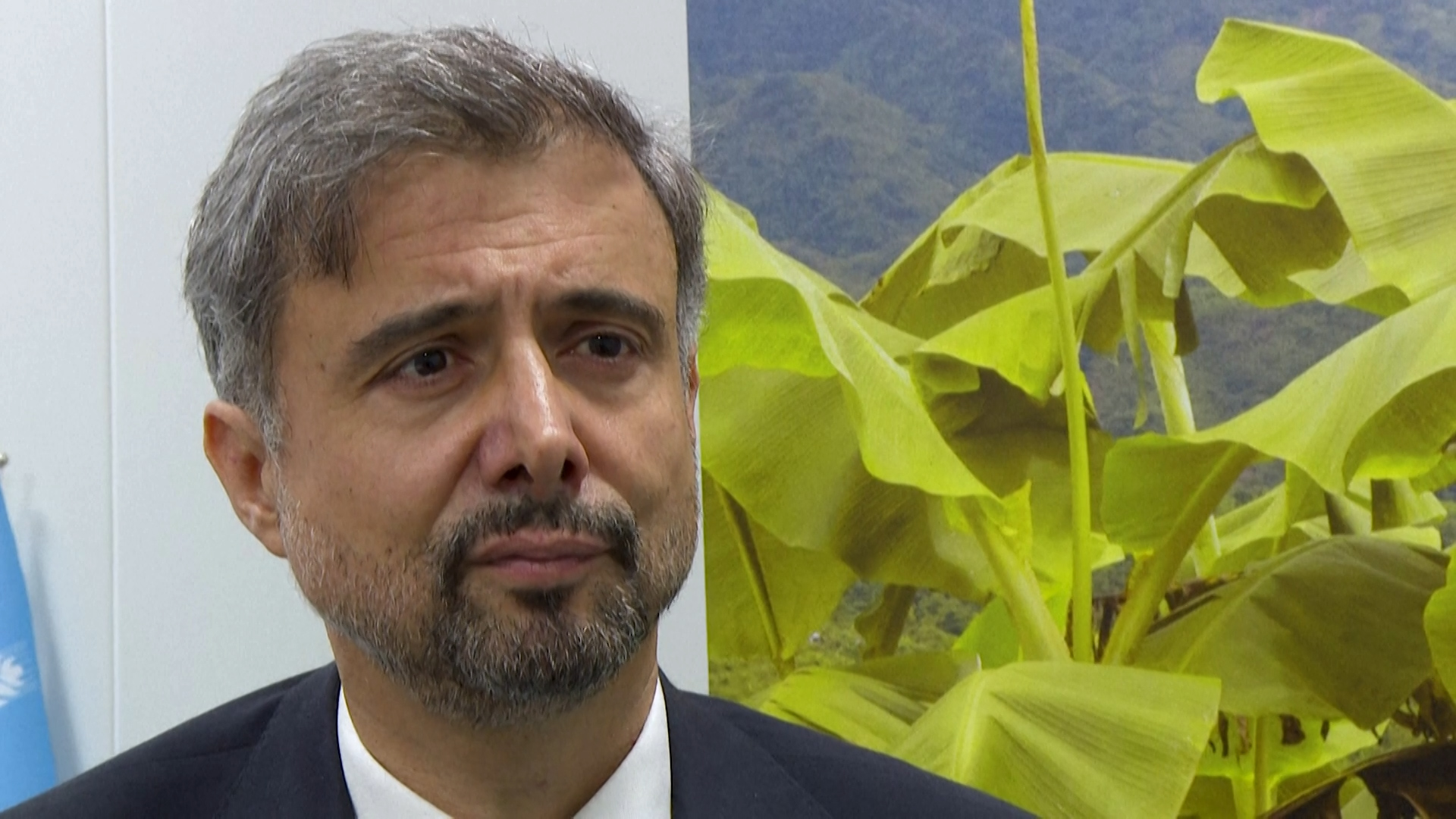
The head of the International Fund for Agricultural Development (IFAD) warns that rising energy costs are squeezing small-scale farmers, increasing food prices and threatening global food security.
The United Nations agricultural development agency has warned that surging energy prices could deepen food insecurity worldwide, as higher fuel and agricultural input costs place additional pressure on farmers and consumers.
Speaking to AFP on the sidelines of the International Monetary Fund (IMF) and World Bank annual meetings, IFAD President Alvaro Lario said countries heavily dependent on imported agricultural inputs and with limited domestic food production were likely to suffer the greatest impact.
Rising energy costs affect agriculture at several stages, from operating farm machinery and pumping water to producing and transporting fertilisers and delivering harvested crops to markets. These additional expenses can force farmers to raise prices or reduce production, placing further pressure on household food budgets.
Small-scale farmers are particularly vulnerable because they often have limited financial resources to absorb sudden increases in production costs. IFAD has warned that disruptions to fuel and fertiliser supplies linked to the conflict in the Middle East are already affecting rural producers and exposing weaknesses in global food systems.
The impact is expected to be especially severe in countries that rely heavily on imported food and agricultural inputs. Higher international prices can increase import bills, while governments facing financial constraints may have less room to support farmers or protect vulnerable households from rising food costs.
The warning comes amid broader concerns over the economic consequences of the energy crisis. At the IMF and World Bank meetings in Bangkok, officials have highlighted the risks posed by elevated energy and fertiliser prices, rising debt costs and climate-related threats to developing economies.
IFAD has called for greater investment in resilient rural economies and agricultural systems that are less vulnerable to external shocks. Measures such as strengthening local production and improving farmers’ access to resources could help reduce dependence on imported inputs and protect food supplies during future crises.
The agency’s warning underscores the close link between energy markets and food security, with rising costs threatening both the livelihoods of farmers and the ability of millions of people to afford food.