
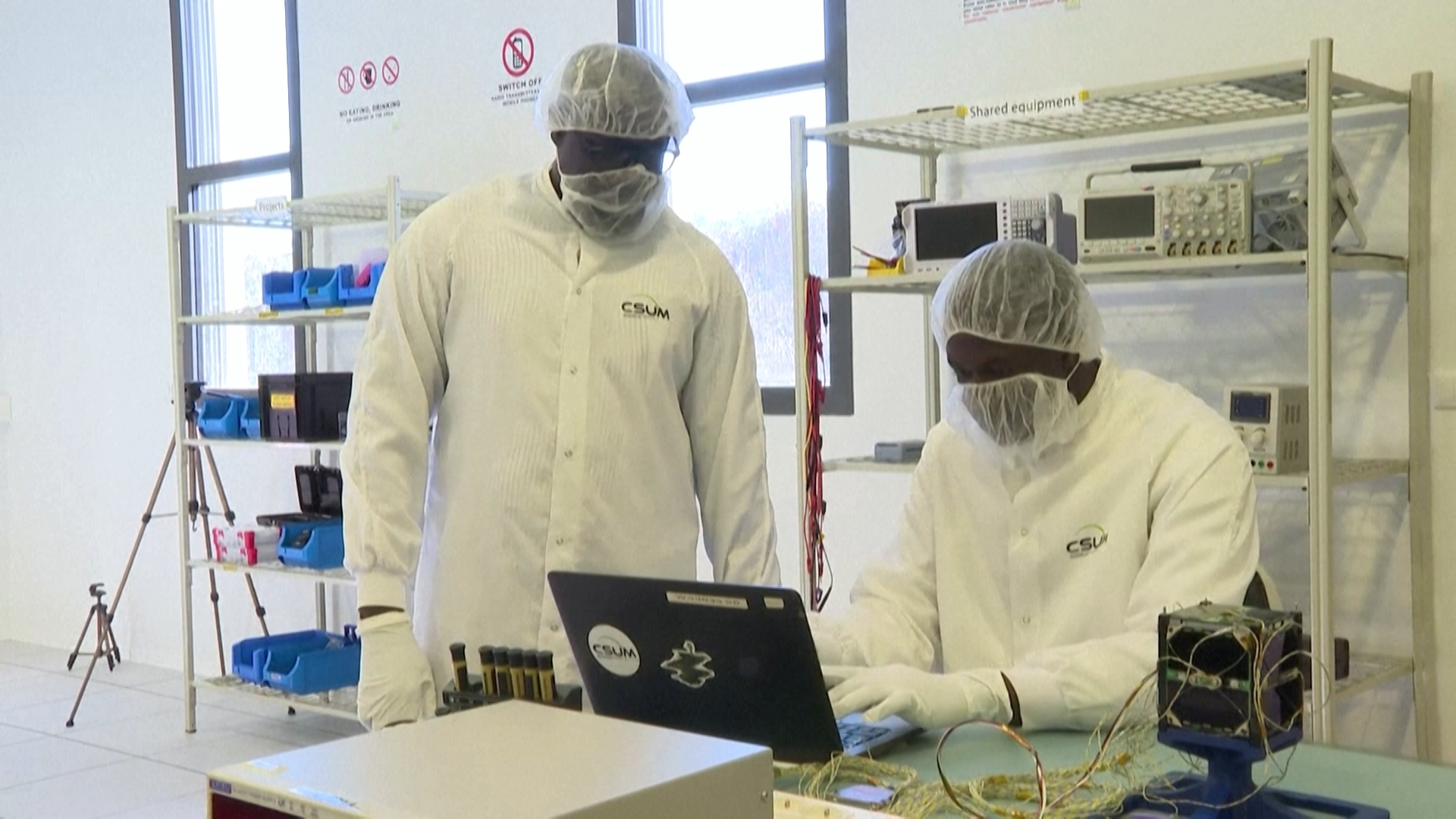
Senegal is taking another step towards technological independence as its engineers work on a new satellite in France, with the country seeking to build the expertise and infrastructure needed to eventually manufacture satellites entirely at home.
Engineers are currently assembling parts of the Gaindesat-1B nanosatellite at the Centre Spatial Universitaire de Montpellier in southern France, but the project is part of a much larger ambition to develop Senegal’s own space industry.
The project builds on Senegal’s first experience in space. The country launched Gaindesat-1A, its first satellite, in August 2024 after it was developed by Senegalese engineers in partnership with the University of Montpellier’s space centre.
The satellite was designed to collect images and environmental data for Senegal, marking the beginning of the country’s effort to develop its own space capabilities.
For Gaindesat-1B, Senegal is seeking to take a further step towards independence by reducing the level of external assistance involved in the satellite’s development. According to Gayane Faye, who leads the Senegalese space programme, the country now has greater control over the manufacturing process. The longer-term objective is to develop its own satellite technology and, once the necessary infrastructure is ready, build a future satellite entirely in Senegal.
The ambition goes beyond simply putting satellites into orbit. Senegal wants to develop a domestic space industry capable of producing technology, training specialised engineers and eventually exporting expertise to other countries in the region.
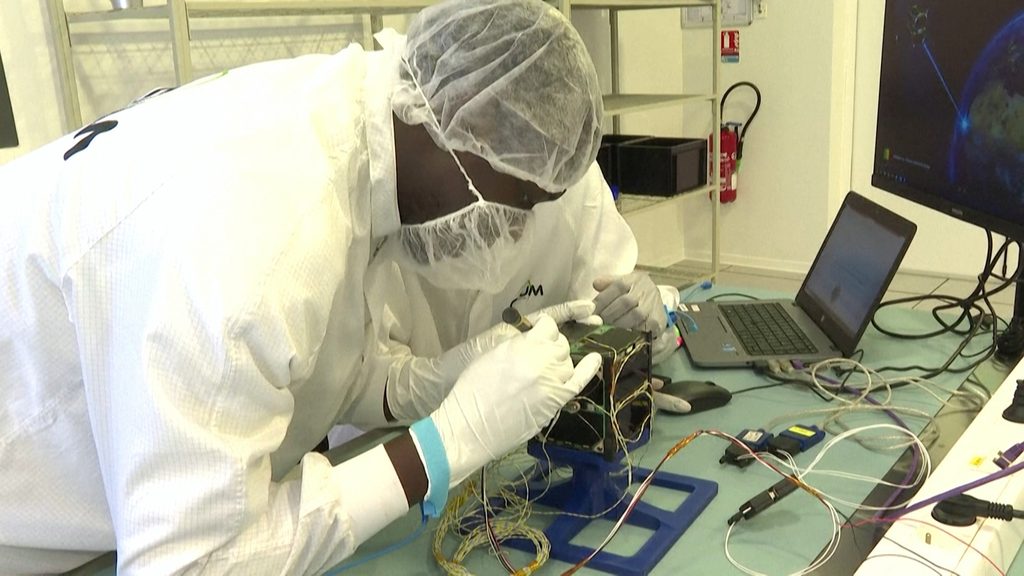
The Senegalese Space Agency has said it is working towards creating the scientific and industrial infrastructure needed to support local satellite production and position the country as a regional space hub.
The push is also closely linked to the country’s broader drive for technological sovereignty. Senegalese authorities increasingly view space technology as important not only for communications and environmental monitoring, but also for security, defence and territorial management.
At the 2026 Senegal Space Week, officials described space capabilities and geointelligence as strategic tools for anticipating threats and supporting national decision-making.
For Senegal, building satellites locally could eventually reduce its dependence on foreign providers for crucial space technology and data. The country still relies on purchasing satellite imagery for some applications, according to Faye, meaning that developing indigenous capabilities could give authorities greater control over the data used for environmental monitoring, disaster management, agriculture, security and other national priorities.
The effort also reflects a wider African push into space technology. Countries across the continent are increasingly investing in satellites for practical applications such as mapping, agriculture, climate monitoring, communications and disaster management.
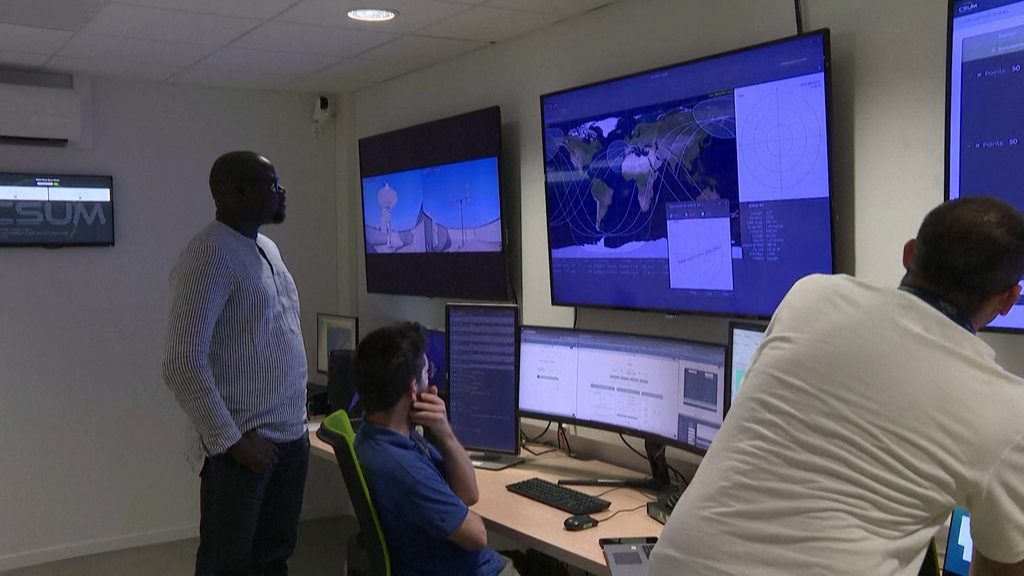
Senegal is seeking to move beyond simply owning satellites by developing the technical knowledge and industrial capacity required to design and manufacture them.
The economic potential is another part of the ambition. A domestic space industry could create highly skilled jobs, encourage scientific research and generate opportunities for companies involved in electronics, engineering, software and data services. Senegal has also expressed ambitions to develop expertise that could eventually be exported to other countries in West Africa and beyond.
The journey, however, remains at an early stage. Building an entirely domestic satellite industry requires sustained investment in infrastructure, specialised equipment, research and highly trained personnel.
For now, Senegal continues to benefit from international partnerships, including its collaboration with the University of Montpellier, while gradually increasing the share of the technology and expertise it can develop independently.
For a country seeking greater technological sovereignty, the significance of Gaindesat-1B therefore lies beyond the satellite itself. The project represents an attempt to build the knowledge, people and industrial capacity that could eventually allow Senegal to look to the sky without depending entirely on others to get there.