
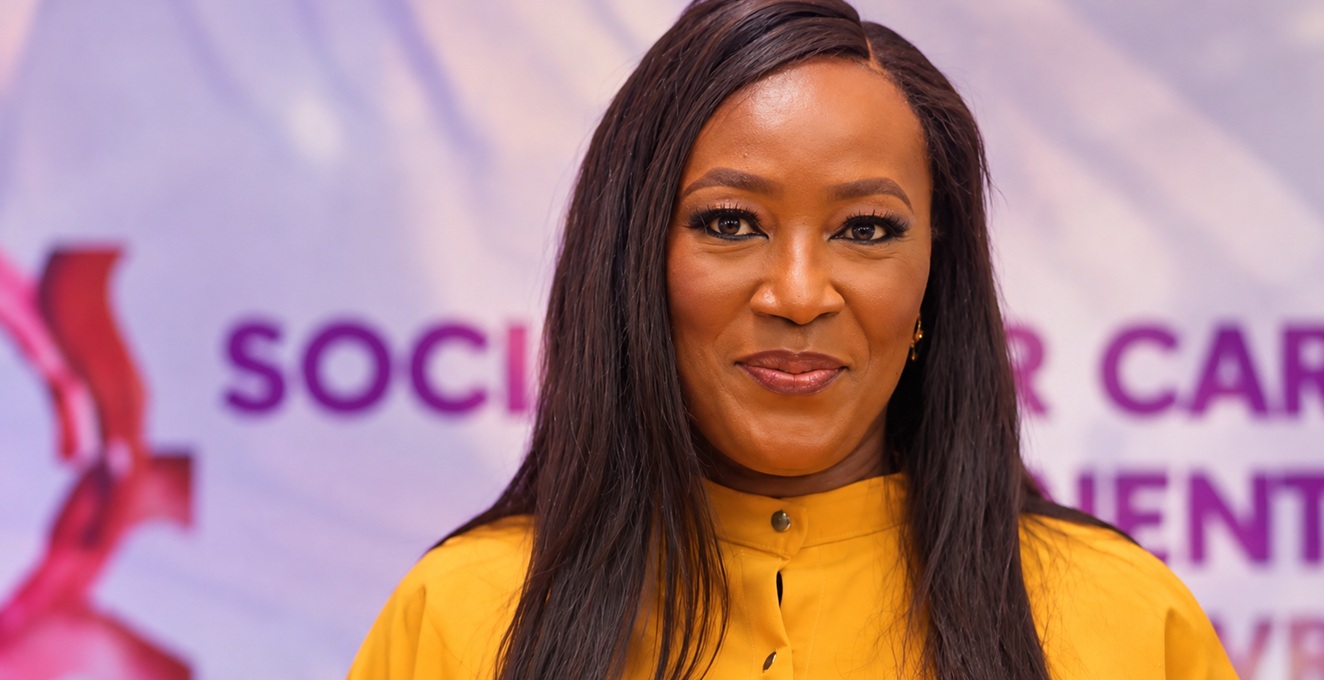
After years of entertaining audiences as an actress, veteran Nollywood star Barbara Odoh is taking on a new responsibility behind the camera with her debut production, The Break Point, a drama exploring domestic abuse, exploitation, survival and the pursuit of justice. Barbara Odoh discusses the inspiration behind the film, the realities of gender-based violence and the responsibility that comes with telling such stories, as well as her transition from acting to producing.
For Barbara Odoh, The Break Point is more than a film about abusive relationships. It is an invitation to examine the circumstances that shape people’s decisions and the human experiences that are often overlooked when situations are judged from the outside.
“What inspired me was the need to tell a story that confronts realities we cannot afford to ignore. Sometimes, we look at situations from the outside without understanding the circumstances, decisions, and experiences that brought people to that point. The Break Point invites us to look deeper,” she explains.
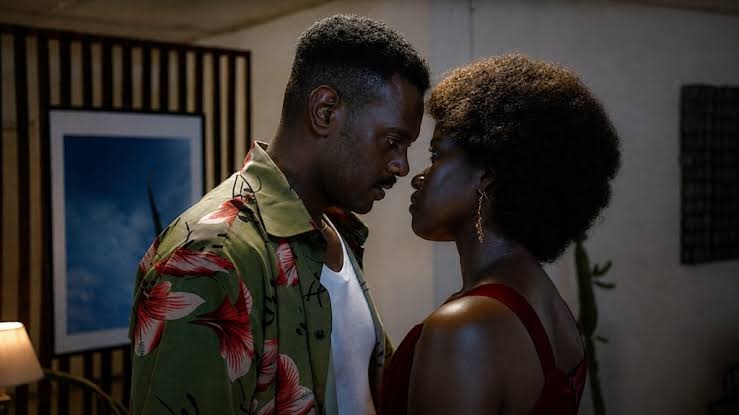
The film follows Telema, a young woman who enters a marriage with an affluent benefactor in exchange for financial assistance for her mother’s life-saving surgery. What initially appears to be a desperate sacrifice becomes years of domestic servitude and abuse, eventually pushing her to a psychological breaking point.
“For me, the film is not just about abuse; it is also about human dignity, the consequences of exploitation, and the point at which we must confront what we have allowed to continue. I want audiences to reflect, ask difficult questions, and recognise that behind every situation is a human life that matters,” she says.
Described as being based on true events, the film also places a responsibility on its creators to handle its subject matter with sensitivity. Odoh says she was conscious that the situations portrayed were not simply dramatic devices but experiences that people continue to endure, often in silence.
“My intention was not to sensationalise suffering or reduce the experiences of survivors to entertainment. It was to tell the story in a way that allows audiences to engage with the issues and understand the human consequences,” she says.
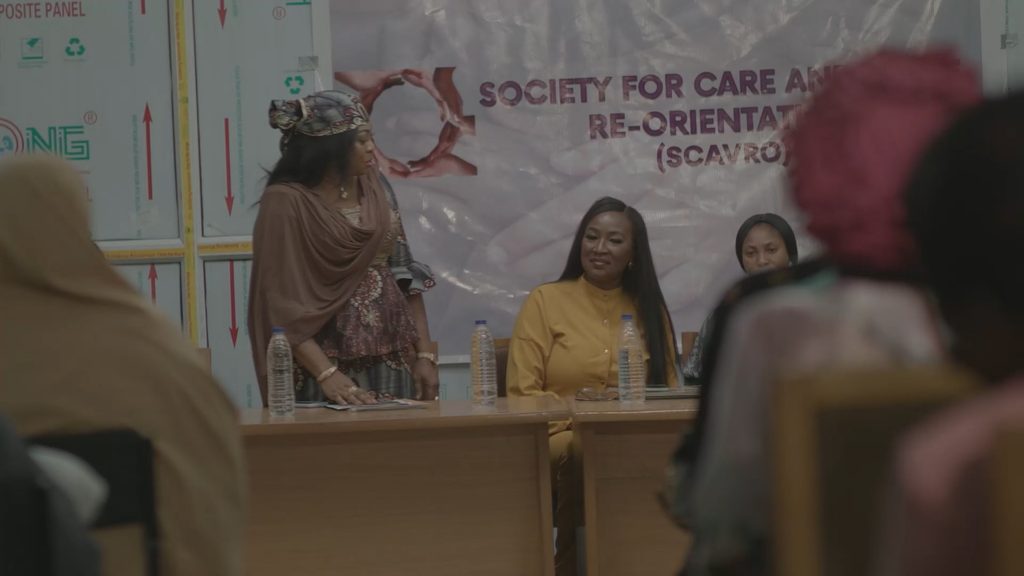
One of the film’s central themes is the vulnerability that can arise from desperation and limited choices. Telema’s decision to accept the marriage arrangement is driven by her desire to save her mother, a circumstance Odoh believes audiences should consider before judging her actions.
“Vulnerability does not always begin with weakness or poor judgement. Sometimes, it begins with desperation, responsibility, limited choices, or the desire to save someone we love. People can make decisions under circumstances that others may never fully understand,” she observes.
She adds that understanding the circumstances surrounding exploitation should not be mistaken for excusing the abuse itself, stressing the need to confront the attitudes and behaviours that allow people to take advantage of others.
Beyond the experience of its central character, The Break Point explores the psychological consequences of abusive relationships through other interconnected stories. Odoh believes these themes provide an opportunity for Nollywood to contribute more meaningfully to conversations around domestic violence, coercive control and mental health.
While acknowledging the industry’s influence and reach, she says filmmakers need to be more deliberate about how they portray such issues.
“Film can entertain, but it can also expose harmful patterns, challenge normalised behaviour, and encourage people to reconsider what they have accepted as ordinary,” she says.
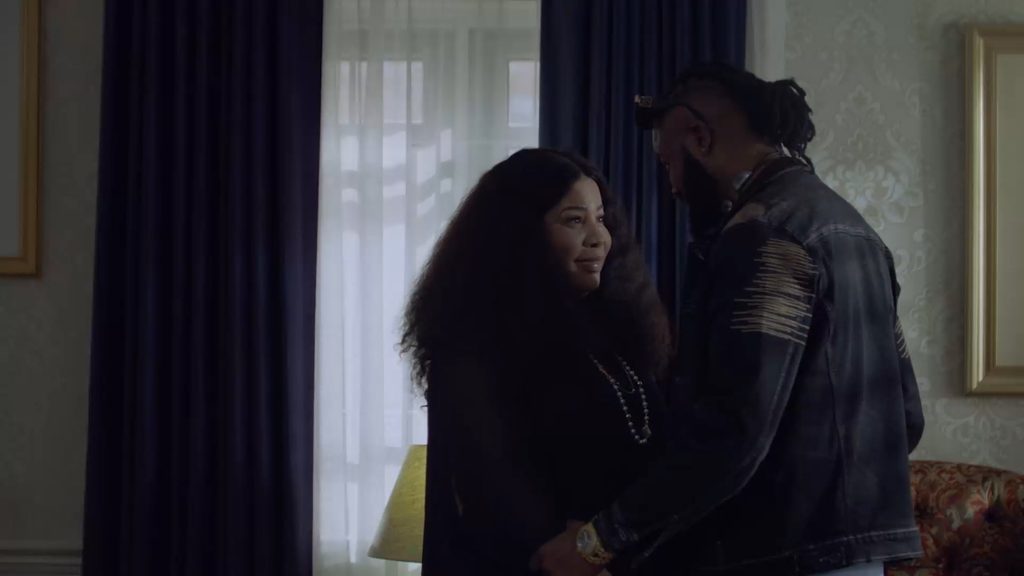
For her, this requires stories that go beyond depicting abuse to examine its consequences, the conditions that enable it and the realities of survival. She also advocates creating room for conversations involving relevant professionals and organisations.
“I believe storytelling can open the door to awareness, but awareness should lead us to ask what needs to change and what practical steps can be taken,” she adds.
The production also marks a significant career transition for Barbara Odoh, who is moving from years of acting into film production. She describes the change as an opportunity to become more directly involved in shaping the stories audiences see and the conversations those stories generate.
“My journey as an actress gave me an appreciation of storytelling from within the performance process. Stepping into production allows me to participate more directly in shaping the stories we tell, the issues we examine, and the conversations we invite audiences to have,” she says.
Rather than viewing the transition as a departure from acting, Odoh sees it as an expansion of her contribution to the industry. Her ambition is to produce films that entertain while leaving audiences with ideas and experiences worth reflecting on.
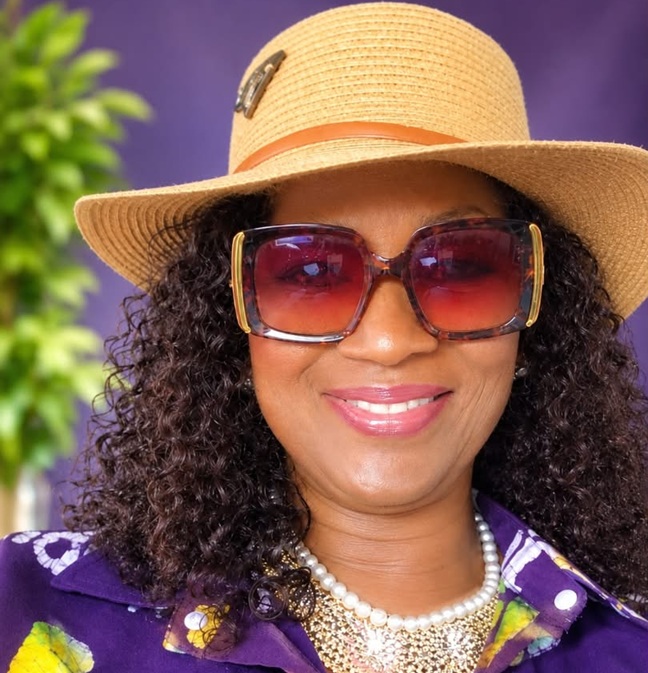
“The legacy I hope to build is one of meaningful storytelling. I want the films I produce to have value beyond the moment they are watched, leaving audiences with something to reflect on and, where possible, encouraging conversations that contribute to positive change,” she says.
Another significant decision surrounding the film is its planned release on a streaming platform rather than through a cinema run. Odoh says the distribution strategy was influenced by the need to make the film accessible to audiences across different locations, including those without easy access to cinemas.
She believes streaming offers an opportunity to extend the film’s reach beyond a single geographical market, particularly given the subject matter and the conversations she hopes it will generate.
“The journey of a film does not necessarily end when the credits roll; sometimes, that is where the more important conversations begin,” she says.
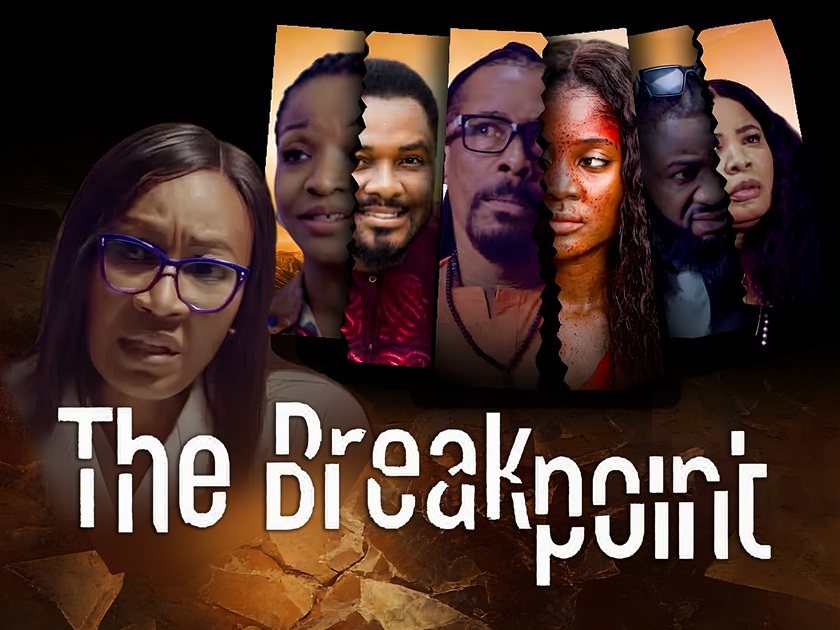
With The Break Point, Odoh is making her first move as a producer with a story that confronts difficult social realities. As she takes on this new chapter in Nollywood, her ambition appears to extend beyond making films to creating stories that encourage audiences to question, reflect and engage with the world around them.
Report by ‘Deyemi Olowa