
Compiled By: Malami Haruna Dogondaji
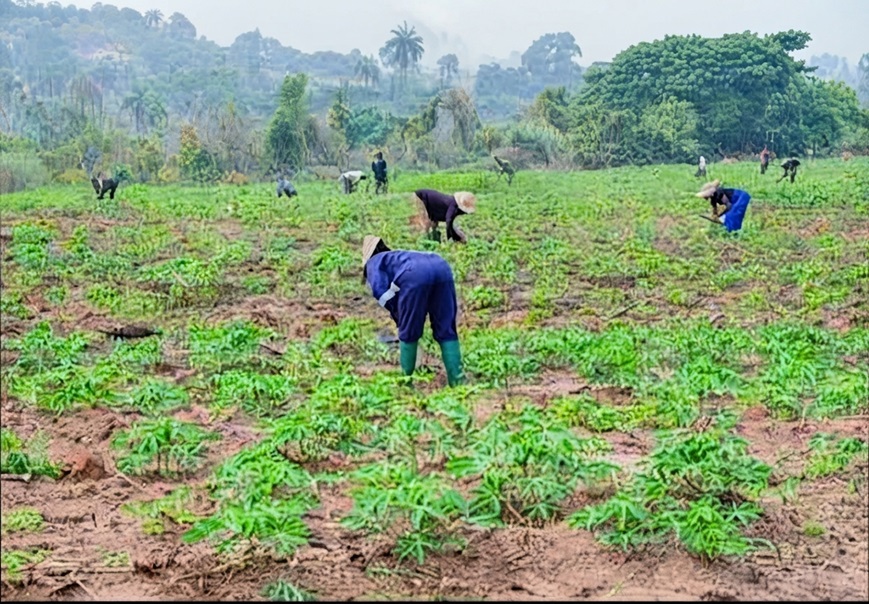
In parts of northern Nigeria, farmers face a deadly choice. Stay away from their fields and go hungry. Or go out to farm — and risk being killed. Most of the people who die this way are Muslims, killed by armed groups that falsely claim to act in the name of Islam.
Farming has Become a Dangerous Occupation
In Gwoza, a town in Borno State near the border with Cameroon, farmers have lived with this danger for years.
In April 2025, gunmen killed at least 14 farmers while they worked on their land. That report was based on information from verified local contexts, made available on robust media platforms. The attack is blamed on Boko Haram.
This was not a one-time event. A few months earlier, in January 2025, a similar attack happened near Lake Chad. Dozens of farmers were killed in a dispute between armed groups over who controlled the farmland. One report said 40 people died. A local militia leader said the real number was likely more than 100.
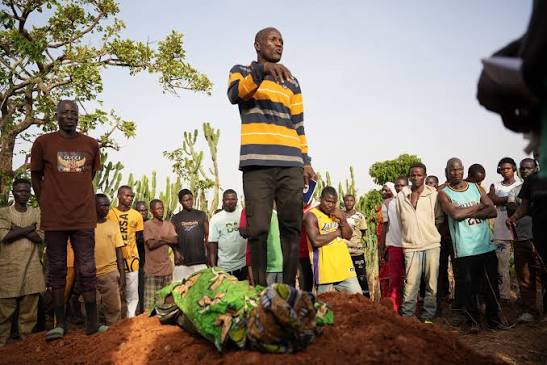
These attacks follow a clear pattern. Different groups are responsible — sometimes Boko Haram, sometimes a rival group called ISWAP, and sometimes armed bandits. But the pattern is always the same: farmers, fishermen, and loggers are attacked while doing their work. This has made farming one of the most dangerous jobs in the region.
More Attacks, More Uncertainty
Other reports describe more attacks on farmers through 2025 and into 2026 – near Bama, near Gwoza, and in other farming communities. Some of these reports come from local sources that are hard to verify. This shows a bigger problem: much of the violence in rural areas is never fully reported by the news.
Two other claims appeared in earlier reporting on this crisis — an attack near Malam Karanti in May 2025, and mass displacement from Sokoto State in January 2026. These claims could not be confirmed for this article. We mention them here so readers know they exist, but we do not present them as confirmed facts.
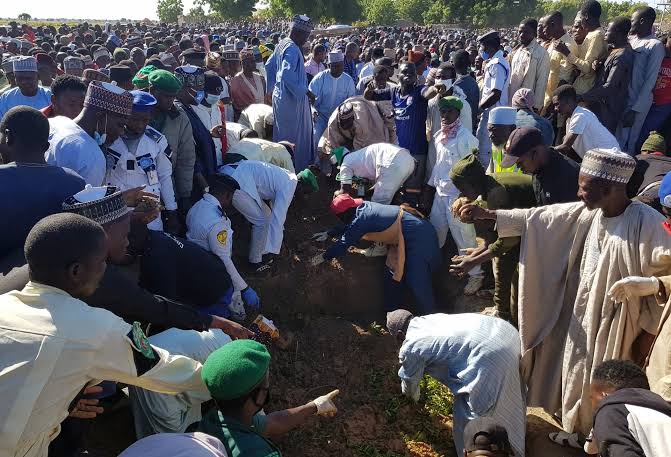
What we do know for certain is the overall scale of the crisis. According to the United Nations and the International Organization for Migration (IOM), more than 3.7 million people in Nigeria are currently displaced from their homes. Most of this displacement is linked to conflict and banditry in the north-east and north-west of the country.
Life After Losing Everything
Being forced from home does not mean the danger ends.
In Kuchingoro, a settlement near Abuja, many families who fled Boko Haram violence still live there — some for more than ten years. Their homes are simple shelters with leaking roofs. Clean water and proper toilets are hard to find. A 2026 report warned that these conditions could lead to a cholera outbreak.
Widows living in camps near Abuja have spoken publicly about their situation. Even after more than ten years, they are still asking the government for help. This shows that for many families, displacement is not a short-term problem. It has become a way of life passed down through years.
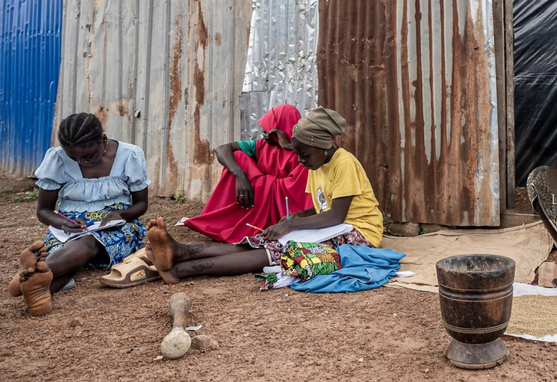
Even farmers who are resettled by the government often cannot safely return to their land. In parts of Borno, ongoing fighting and landmines have made it too dangerous to farm certain areas — even when families have officially been allowed to go back.
A Painful Contradiction
Boko Haram and ISWAP both say they act in the name of Islam. But most of the people they kill are Muslims; they kill farmers, traders, and families going about their daily lives.
Islamic leaders and scholars in Nigeria have spoken out against this. They say that killing innocent civilians goes directly against Islamic teaching, which protects the sanctity of life. This is not our own religious judgment — it is a view widely shared and repeated by Nigerian Islamic authorities themselves. But it matters, because it shows that these groups do not have religious support for their violence, even within the faith they claim to represent.
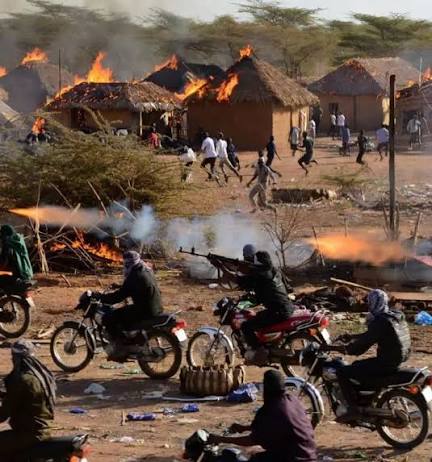
Experts who study these groups also point out that Boko Haram has often treated other Muslims — including those who work with the government, vote, or send their children to school — as enemies. This is a key reason why so many of the group’s victims share the same faith as the attackers.
Who Is Responsible?
There is no proof of one single, organized plan to make northern Nigeria poor but series of attack events has shifted communities from better to worse off although this article does not claim or try to suggest that.
But several independent organizations — the United Nations, humanitarian agencies, and conflict monitors — have documented a clear pattern. Farmers are attacked again and again. Farmland remains unsafe even after families return. Millions of displaced people still depend on aid to survive. These are real, measurable problems — whether or not anyone intended them.
People living through this crisis consistently ask for the same things:
- Real security, so farmers can return to their fields without fear of attack.
- Access to land and farming tools — not just short-term food aid.
- Working clinics and clean water in the camps where they live.
- Safe, voluntary return home — not pressure to go back to areas that are still dangerous.
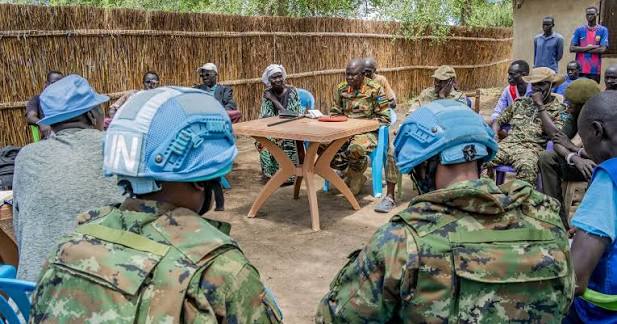
The Nigerian government has said it wants to move from simply managing displacement toward helping displaced people rebuild their lives. Whether this promise becomes reality — with safer farmland and better-functioning camps — will decide whether more farmers are killed in the future, or whether this cycle can finally be broken.
What You Can Do
This crisis will not end on its own. Change happens when people pay attention and take action.
- Share this story. Many of these attacks go unreported. Sharing keeps the issue visible.
- Support trusted humanitarian organizations working in northern Nigeria, such as those providing food, clean water, and medical care in displacement camps.
- Ask questions. If you are in a position to speak to local leaders, journalists, or policymakers, ask what is being done to protect farmers and displaced families.
- Do not let this story fade. Crises like this often lose public attention over time, even while the suffering continues. Keep asking: what has changed since this story was published?
Every farmer who cannot safely return to their field is a reminder that this crisis is not over. The people living through it are asking to be seen, protected, and helped. The least the rest of us can do is listen — and act.
Editorial Report
This article draws on reporting from Al Jazeera, AFP/The Defense Post, The New Humanitarian, the International Organization for Migration, United Nations officials, and Nigerian news outlets including Blueprint, Leadership, THISDAY, Arise News, Daily Trust, and PM News. Some claims from earlier versions of this reporting could not be independently confirmed and have been noted as unverified rather than stated as fact.