
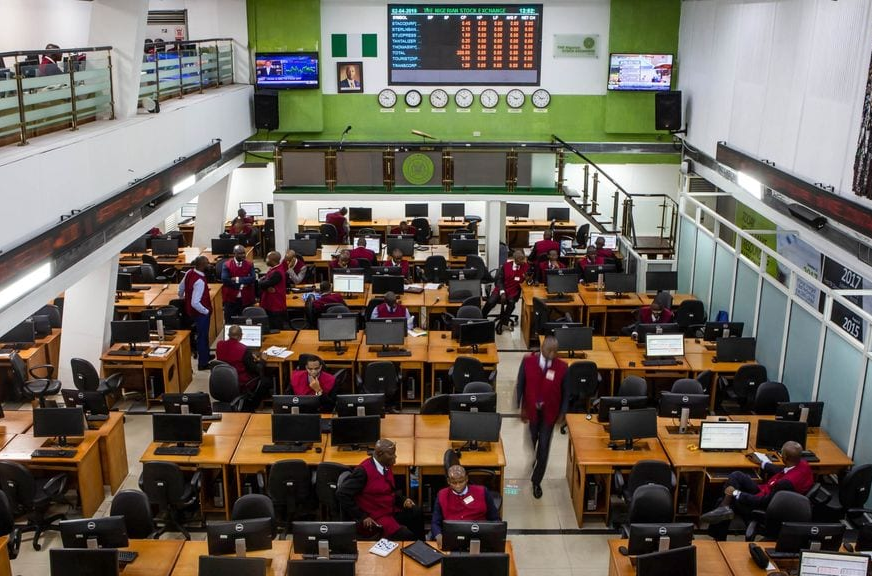
Nigeria’s stock market is enjoying one of its strongest rallies in years, capturing global attention as the Nigerian Exchange (NGX) emerged as the world’s best-performing equity market in dollar terms, according to Bloomberg’s ranking of 92 global stock indexes.
The remarkable performance marks a significant turnaround for a market that only a few years ago struggled with foreign exchange shortages, weak investor confidence and limited foreign participation. Today, the story is different. Nigerian equities have become one of the biggest attractions for investors seeking opportunities in emerging markets.
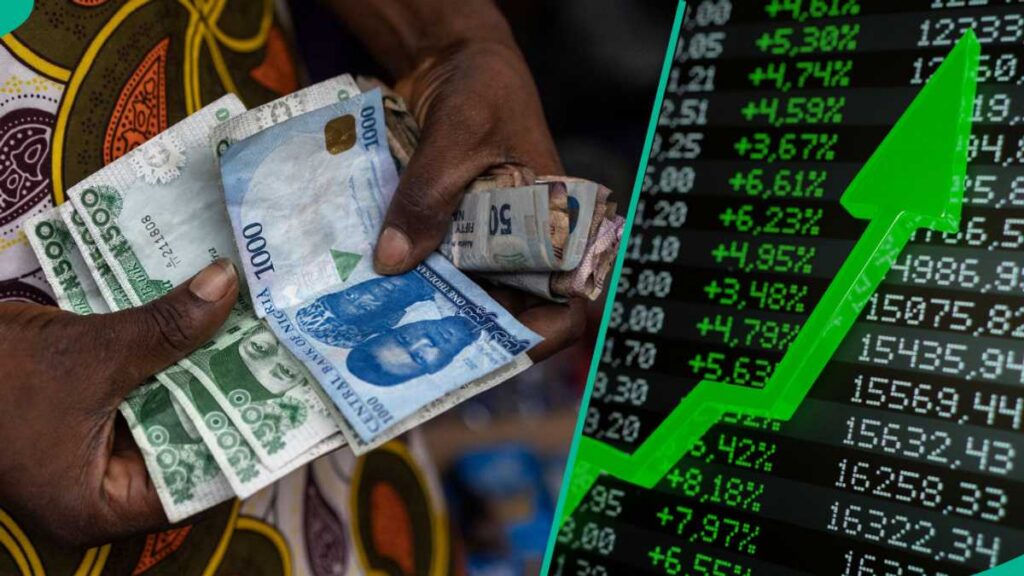
Bloomberg reports that Nigeria’s benchmark stock index has surged by about 63 per cent in dollar terms this year, while its gains over the past 12 months have exceeded 200 per cent. The rally has also extended beyond equities, with government bonds and the naira recording improved performances as confidence in the country’s economic reforms continues to grow.
What’s Driving the Rally?
Market analysts say the rebound is the result of several factors coming together at the same time.
Economic reforms introduced by President Bola Tinubu’s administration, particularly the liberalisation of the foreign exchange market and other fiscal adjustments, have helped restore investor confidence. These reforms have made it easier for foreign investors to enter and exit the Nigerian market, addressing one of the biggest concerns that had kept many international funds on the sidelines.
Strong corporate earnings have also played a major role. Many listed companies—especially in the banking, industrial goods and telecommunications sectors—have reported resilient financial results despite the challenging economic environment.
The ongoing recapitalisation programme for commercial banks has further strengthened investor interest in banking stocks, with expectations that larger capital bases will position lenders to finance bigger projects and support economic growth. At the same time, improving liquidity in the foreign exchange market and renewed foreign portfolio investment have added momentum to the market’s upward trajectory.
A Boost for Nigeria’s Capital Market
The rally has pushed the Nigerian Exchange to new milestones.
The NGX All-Share Index has crossed the 250,000-point mark for the first time, while market capitalisation has risen above ₦160 trillion, reflecting sustained buying interest across several sectors of the market. Banking, industrial goods and oil and gas stocks have been among the biggest drivers of the gains.
For many investors, the performance represents more than rising share prices. A vibrant stock market enables companies to raise fresh capital for expansion, encourages new listings, creates investment opportunities for pension funds and retail investors, and sends a positive signal to international investors about confidence in the country’s economy.
What It Means for the Economy

While the stock market’s performance is encouraging, economists caution that it should not be viewed as a complete measure of economic well-being.
Nigeria continues to grapple with inflation, high borrowing costs and rising living expenses, challenges that affect millions of households and businesses. A booming stock market benefits investors and listed companies, but its gains do not immediately translate into improved living standards for the wider population.
Nonetheless, analysts believe the market’s strong performance reflects growing confidence in Nigeria’s long-term economic prospects. If current reforms are sustained, corporate earnings remain resilient and macroeconomic stability continues to improve, the country could attract even greater levels of domestic and foreign investment in the months ahead.
For now, Nigeria’s emergence as the world’s best-performing stock market is more than just a financial headline. It is a sign that investors are beginning to see new opportunities in Africa’s largest economy. Whether that confidence can be sustained will depend on the consistency of economic reforms and the country’s ability to translate market optimism into broad-based economic growth that benefits businesses and ordinary Nigerians alike.