
A grim discovery on the battlefields of Ukraine has sparked fresh concerns regarding the sophisticated human trafficking syndicates drawing African citizens into the frontline of the Russia-Ukraine war.
The Battlefield Discovery in Donetsk
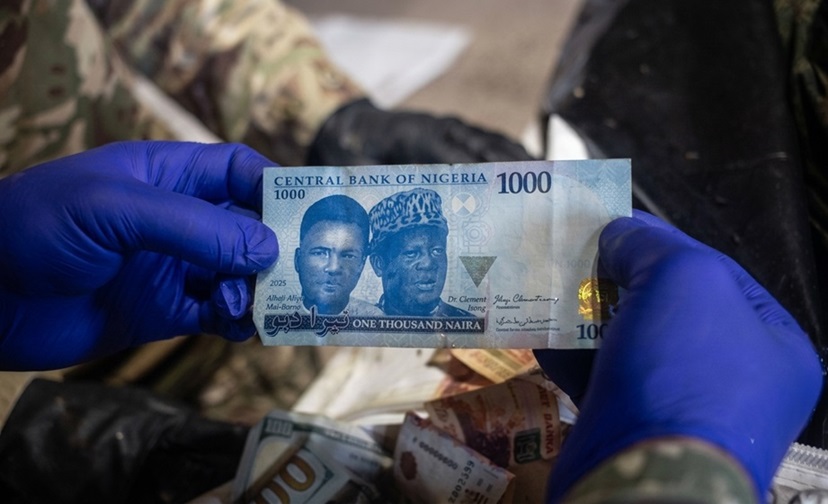
A volunteer from the Ukrainian recovery organisation, Platsdarm, recently recovered a Nigerian banknote from the body of a dead African soldier in the Donetsk Oblast. The soldier had been fighting on the frontline for the Russian military before he was killed in action.
The battlefield recovery, documented on June 28, 2026, highlights how the ongoing European conflict is increasingly utilising transnational manpower. While a local banknote does not definitively prove the deceased soldier’s citizenship, it serves as a critical material trace. Investigators view the currency as a vital clue pointing to possible travel routes, recruitment networks, or remittance trails linked to Nigeria.
Inside the Transnational War Pipeline
Open-source intelligence indicates that this death is not an isolated anomaly but part of a highly organised strategy. As of February 2026, intelligence reports revealed that more than 1,700 African nationals from 36 countries were actively fighting for Russia.
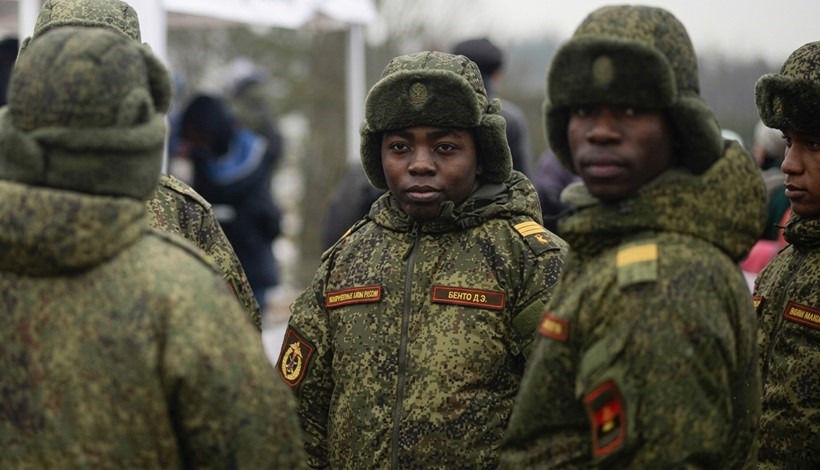
“The war in Donetsk has become a magnet for transnational manpower, and the dead now carry the fingerprints of a broader international pipeline into Russia’s front lines.” – Commentary synthesis
Investigations by global outlets have exposed a shadowy web of travel agencies, social media influencers, and recruitment syndicates operating across Africa. These networks entice young men with false promises of lucrative jobs, engineering scholarships, and fast-tracked European citizenship. Upon arrival in Russia, many find themselves coerced or tricked into military service with little to no prior combat training.
The Mission of Platsdarm
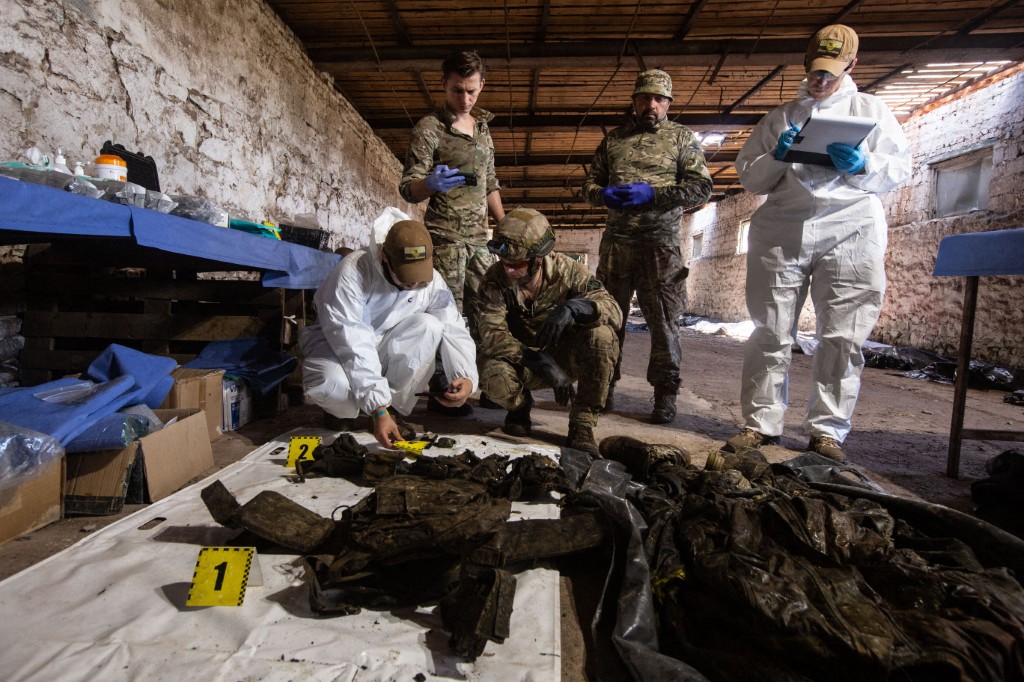
The bodies of these foreign fighters are frequently left behind in anonymous frontline graves until recovered by volunteer teams. Platsdarm, a Ukrainian search group founded in 2014 by Oleksii Yukov, operates in the heavily mined and shelled sectors of Donetsk and Kharkiv.
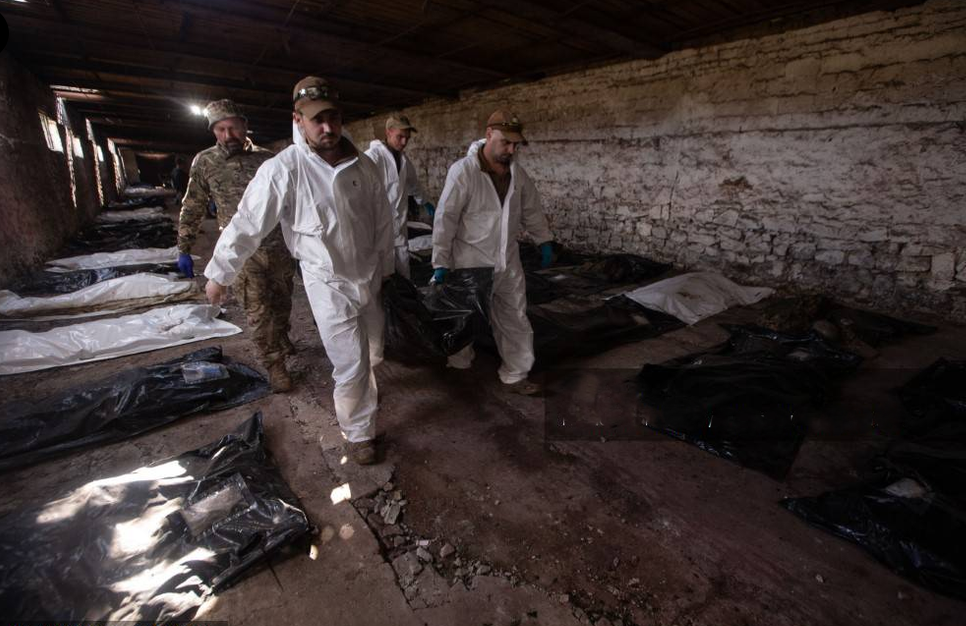
The group has recovered more than 3,000 bodies since the escalation of the full-scale invasion. They identify and process both Ukrainian and Russian dead, preserving remains for future repatriation or official state exchanges.
Fast Facts: The Foreign Recruitment Crisis
| Category | Documented Details |
| Recovery Group | Platsdarm (Founded in 2014 by Oleksii Yukov) |
| Total Recoveries | Over 3,000 fallen soldiers processed on the frontlines |
| African Combatants | Over 1,700 individuals from 36 African states documented on the Russian side |
| Recruitment Tactics | Fake employment offers, deceptive travel visas, and trafficking syndicates |
| Key Clue Found | Nigerian banknote recovered from an anonymous combatant in Donetsk on June 28, 2026 |
Verification and National Protection
Forensic identification and official records remain necessary to establish the exact identity of the deceased soldier. Multiple African governments, including Kenya, have already raised alarms over syndicates duping citizens into foreign military labour.
The Federal Government of Nigeria has warned against fraudulent migration and illegal recruitment schemes, saying it is working with relevant agencies to investigate such cases and protect citizens from exploitation.
The Social Call-to-Action (CTA)
What steps should the Federal Government take to dismantle deceptive foreign recruitment syndicates targeting Nigerian youths? Share your views in the comments below or join the conversation on NTA’s official social media platforms.