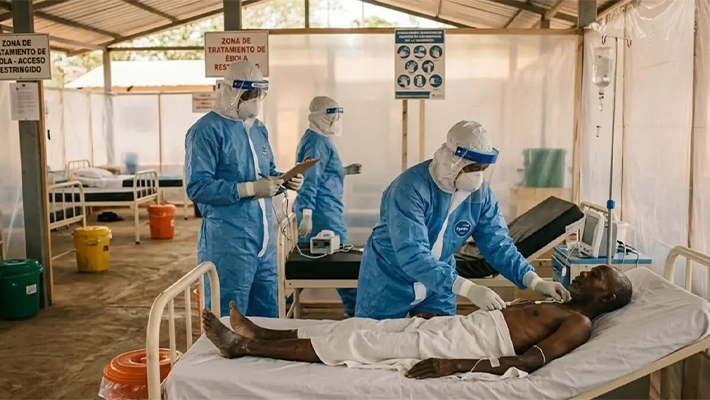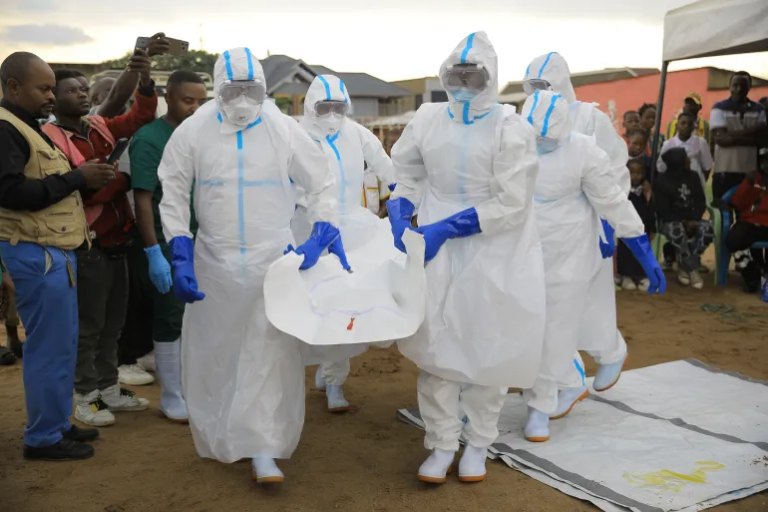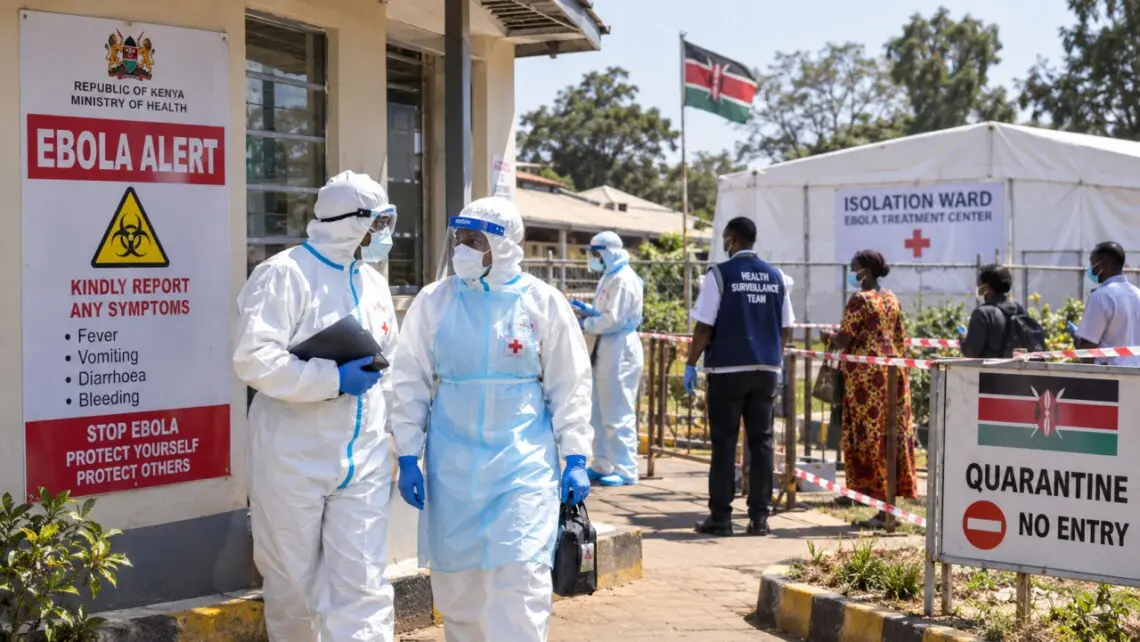

The World Health Organisation (WHO) has praised Nigeria’s response to its first confirmed Ebola case in more than a decade, describing the outcome as evidence of what African countries can achieve through cooperation, even as health authorities continue monitoring people exposed to the virus.
The WHO Regional Director for Africa, Dr Mohamed Janabi, said Nigeria currently had no active Ebola cases following the medical evacuation of the infected patient and her husband to Switzerland on Monday, October 26, 2026.
The couple departed Abuja aboard a specialised medical aircraft at about 6 a.m. The patient, a 42-year-old Swiss citizen and wife of a Swiss diplomat based in Nigeria, had tested positive for the Bundibugyo strain of Ebola virus disease on October 20 after arriving in Nigeria from Uganda earlier in the month.
In a statement posted on his official X account, Janabi said the patient was clinically stable following treatment by Nigerian medical personnel, who successfully managed her through the acute phase of the illness.
“With the evacuation of the patient and her husband, Nigeria currently has no Ebola cases,” he said.
Janabi commended the Federal Government, health workers, clinicians, emergency responders and partner organisations involved in the response, describing their efforts as an example of the value of collaboration in addressing public health emergencies.
“This is a remarkable achievement and a testament to what Africa can accomplish when we work together,” he said, while stressing that continued vigilance remained critical.
Despite the evacuation, the WHO has not declared Nigeria Ebola-free. Health authorities are maintaining surveillance and contact tracing to reduce the risk of further transmission.
Nigeria will continue monitoring 52 contacts linked to the confirmed case, while Swiss authorities will take responsibility for the patient’s continued medical care and follow-up of her husband, who is listed as contact number 53.
Nigeria’s Coordinating Minister of Health and Social Welfare, Professor Muhammad Ali Pate, confirmed that he approved the evacuation. He said the patient was “clinically much improved, stable, conscious, communicating,” with her laboratory results moving towards baseline levels.
However, Pate cautioned that an improvement in her condition did not necessarily mean she was no longer infectious, adding that strict public health protocols were observed during the transfer.
Under international health guidance, the end of an Ebola outbreak is determined through established criteria and a period of continued surveillance, rather than simply by the removal of an infected patient from a country. Nigeria must therefore maintain its monitoring and response measures before the outbreak can be considered over.
The case has highlighted the importance of early detection, effective clinical management, contact tracing and coordination between national health authorities and international partners.
For Nigeria, the evacuation marks an important development in the response to the imported case, but it does not signal the end of the public health effort. Authorities are expected to sustain surveillance, follow established safety protocols and keep the public informed as monitoring continues.