

PONTIANAK, Indonesia — Welcome rain has brought long-awaited relief to residents of Pontianak city after weeks of exposure to toxic haze caused by widespread forest and peatland fires across Borneo island, though air pollution levels remain far above World Health Organization (WHO) safety guidelines.
Rain Brings Fresh Air and Hope
For weeks, a thick and suffocating smog covered Pontianak, the capital city of West Kalimantan province, which is home to about 700,000 residents. The fires have burned large areas of forest and peatland in Borneo and nearby Sumatra. Smoke from these blazes has also drifted across borders to affect neighbouring countries, including Malaysia, Singapore, Brunei, and parts of the Philippines.
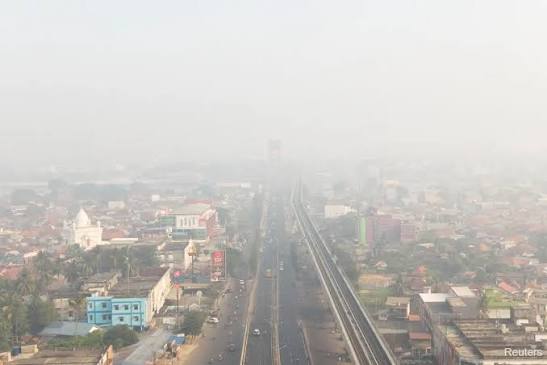
The recent rainfall has cleared the sky and allowed local residents to breathe easier after weeks of health warnings and indoor confinement.

“After the rain, I immediately felt the difference. The air was better, and the visibility was clearer.” — Lilis Suryani, 43, Pontianak resident and mother
“The rain means a lot … not only to cool the air, but also to give hope that the situation is beginning to improve. I see it as a gift from God.” — Uray Rosa Febrianti, 23, local university student
Public Disruption and Health Impact
The severe environmental crisis is driven by intense forest and peatland fires. These blazes have been made worse by hot, dry “super-El Niño” weather conditions, which dried out local plants and made flames very difficult for emergency teams to put out.
The heavy smog severely disrupted daily life across the region:
- School Closures: Local authorities forced schools to close to protect young children from breathing toxic particles.
- Flight Delays: Thick smoke reduced visibility at Supadio International Airport down to a few hundred metres, causing major flight cancellations and delays.
- Health Spike: More than 12.5 million people across seven Indonesian provinces suffered from haze exposure. Cases of respiratory illness more than doubled in early September.
- Cross-Border Strain: In nearby Malaysia, health officials reported sharp increases in medical cases for asthma and eye irritation, with air quality reaching hazardous levels in parts of Sarawak.
Emergency Response and Ongoing Risks
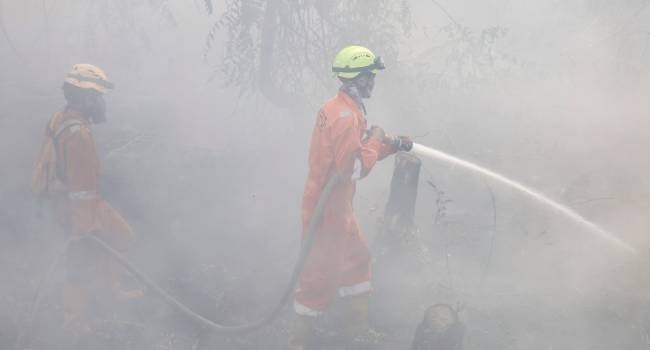
Indonesian authorities have deployed thousands of firefighters and volunteers to battle the blazes. Emergency teams are also using cloud-seeding techniques to generate artificial rain and conducting water-bombing operations from airplanes. However, putting out deep peatland fires remains extremely difficult because peat can burn underground for weeks.
While scattered showers have brought temporary relief, weather experts warn that dry conditions are expected to continue in parts of Kalimantan and Sumatra. As a result, harmful haze could return or linger into October.
What to Watch Next
- Weather Patterns: Meteorological updates on whether seasonal rains will fully extinguish the active peatland fires.
- Official Data: Final government reports on total burned land areas and confirmed hotspot numbers across West Kalimantan.
- Regional Cooperation: Environmental discussions among ASEAN member states regarding cross-border air pollution controls and joint enforcement against illegal land-burning.
What Do You Think?
What steps should regional governments take to prevent seasonal peatland fires and protect public health? Share your thoughts on NTA’s official social media platforms @NTANetwork.