

Compiled By: Malami Haruna Dogondaji
29 OCTOBER, 2026
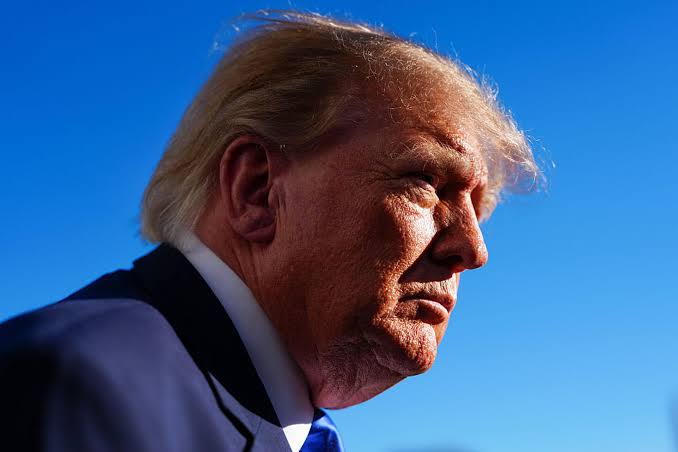
Senior US House Democrats have formally requested that President Donald Trump preserve records of official exchanges with commercial AI chatbots—including Elon Musk’s Grok, OpenAI’s ChatGPT, and Anthropic’s Claude—following reports that artificial intelligence may have been consulted on sensitive foreign policy matters.
Congressional Oversight and Preservation Demands
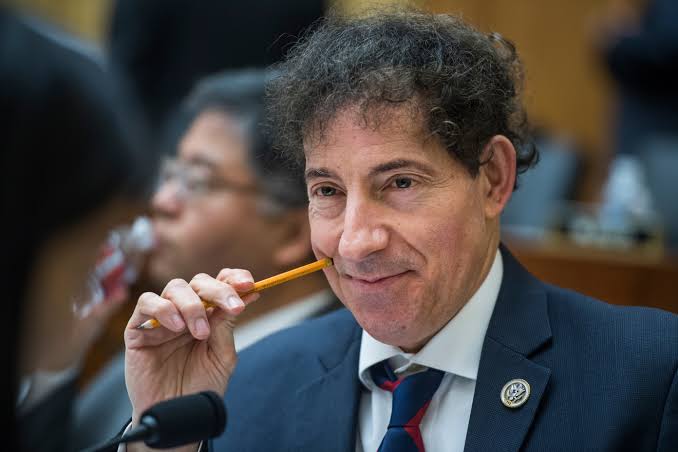
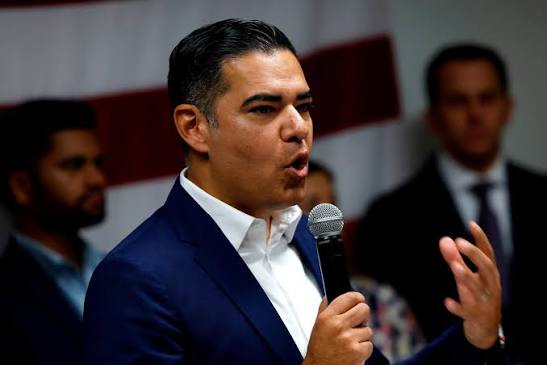
Reps. Jamie Raskin of Maryland and Robert Garcia of California, leading Democrats on the House Judiciary and Oversight committees, dispatched a letter to President Trump on Wednesday, October 28, 2026. The lawmakers urged the president to retain “any prompts” and chatbot responses generated during official or ceremonial duties.
The congressional inquiry follows reporting that the president sought insights from Grok regarding potential foreign reactions to geopolitical developments involving Venezuela. While lawmakers argue these exchanges constitute presidential records under federal law, publicly available evidence has not independently established that AI directly shaped or determined white house military policy.
“The request covers Grok, OpenAI’s ChatGPT, and Anthropic’s Claude, with lawmakers requesting a closed-door briefing by November 11 to address security safeguards, data handling, and third-party access.” – Context Synthesis
The Broader Governance and National Security Challenge
The scrutiny surrounding White House AI utilization highlights a critical global tension: public institutions are adopting generative technology faster than formal compliance and record-keeping frameworks can evolve.
When public officials rely on commercial large language models for drafting policies or assessing intelligence, several critical risks emerge:
- Data Privacy & Leakage: Entering non-public or classified state information into external commercial systems can breach security protocols.
- Vendor Access: Commercial operators may retain or process interaction data, raising third-party security vulnerabilities.
- Accountability Gaps: Algorithmic assistance must remain subordinate to human review to ensure transparent, defensible governance.
Context Box: Key Oversight Requests & White House Response
- The Mandate: Lawmakers demand clarity on whether commercial AI prompts are catalogued as official presidential records.
- The Briefing Deadline: A closed-door briefing has been requested by November 11, 2026.
- White House Position: Administration representatives maintain that the executive branch preserves all legally mandated records, though specific protocols regarding AI outputs remain unaddressed.
Lessons for Global Public Administration
For emerging digital economies like Nigeria—where federal guidelines emphasize strict data sovereignty, digital public infrastructure, and secure cloud hosting—the US debate serves as a timely reminder. Government adoption of artificial intelligence requires robust procurement standards, explicit data-retention directives, and clear lines of human accountability.
As investigations proceed, policy analysts stress the importance of distinguishing between rigorous oversight demands and unverified claims regarding automated decision-making.
The Social Call-to-Action (CTA)
How can governments balance the productivity benefits of artificial intelligence with strict transparency and record-keeping laws? Share your thoughts below or join the conversation on NTA’s digital platforms.