
Compiled By: Malami Haruna Dogondaji, 14 September 2026
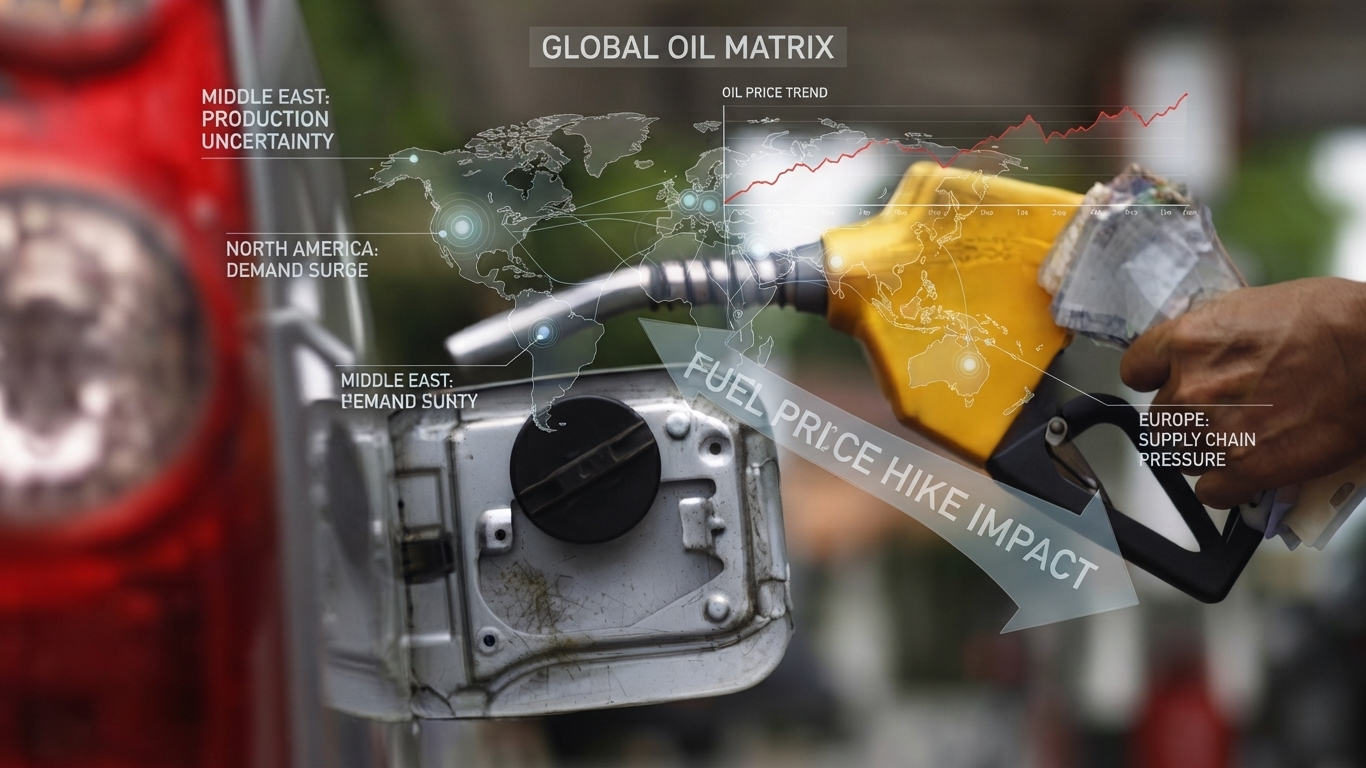
Nigerians woke up this weekend to fresh pain at the pump. Petrol that sold for N1,300–N1,350 a litre is now going for N1,400–N1,500 in some areas. Predictably, the anger online has settled into a familiar refrain: “another leadership failure.”
But this time, the story starts somewhere else entirely — thousands of kilometres away, in the Middle East.
The real trigger: a war-driven oil shock
On 13–14 September, global oil prices spiked after Saudi Arabia shut down its East–West pipeline following a drone attack, Houthi rebels struck Saudi energy sites, and reports emerged of attacks on shipping near the Strait of Hormuz — one of the world’s most critical oil chokepoints.
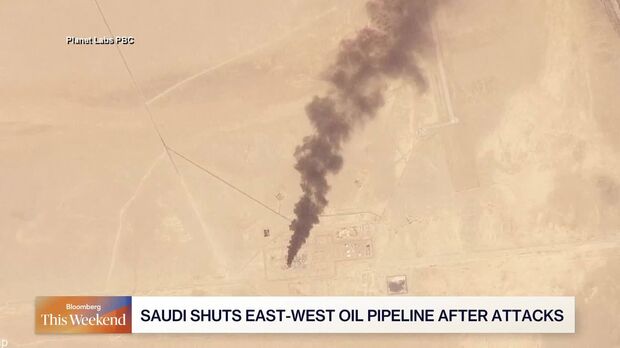
That single pipeline moves roughly 4–5 million barrels a day, about 4% of global supply. When traders sense that much oil could vanish from the market, prices don’t creep — they jump.
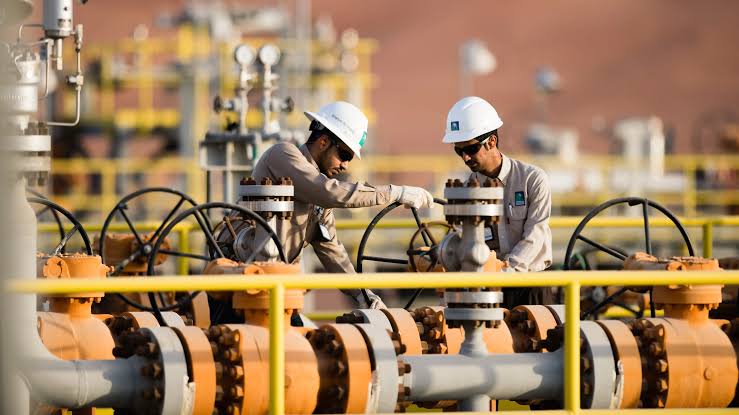
And jump they did: Brent crude rose about 3% to $107–$108 a barrel (briefly touching $110), WTI followed to around $102–$103, and analysts are now warning Brent could climb toward $114–$120 if the disruption drags on.
How that lands in Nigeria
Nigeria’s pump price isn’t set in a vacuum. It moves with three things: global crude prices, the naira-dollar exchange rate, and local refining and distribution costs.
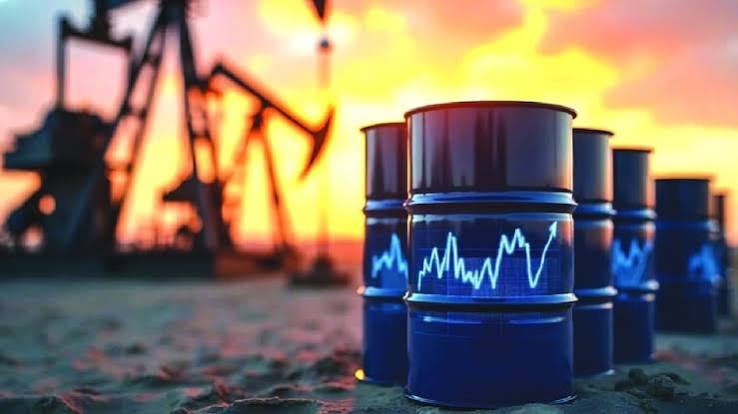
With subsidies gone, that link is direct. As Brent climbed past $100 and then past $107, Dangote Refinery raised its wholesale petrol price from N1,265 to N1,350 a litre on 12 September. Filling stations added their own margins, pushing pump prices to N1,380–N1,430, and higher in some areas.
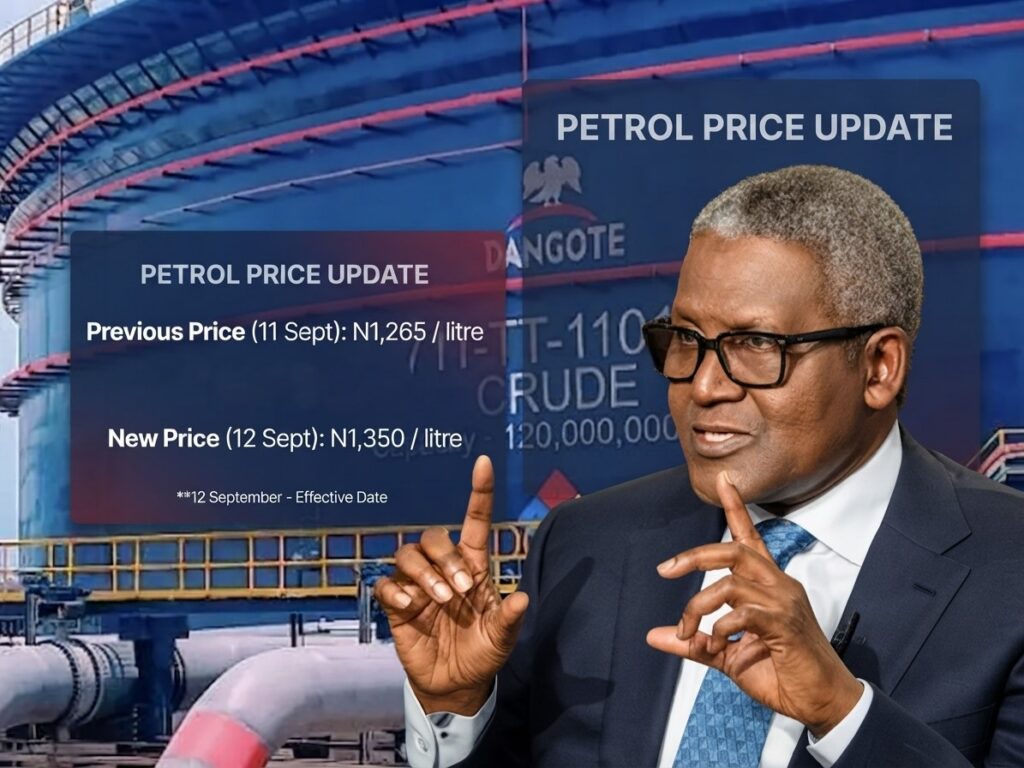
In short: when the global price tag on oil rises, Nigeria’s price rises with it — almost automatically.
Why “Brent” matters here
Brent crude, drawn from the North Sea, is the reference price for oil traded across Europe, Africa, the Middle East, and much of Asia. Nigeria uses it — not because of any domestic policy choice, but because its oil trade flows through markets where Brent is the standard. When Brent moves, African crude and fuel prices move with it, almost by default.
So who’s actually responsible?
It’s fair to be angry about the cost of living. But this particular spike has an origin point that Abuja didn’t create and can’t undo: a war-related supply shock 5,000 kilometres away. Even Saudi Arabia — the world’s largest oil exporter — got hit. No country, however powerful, is fully insulated from a shock like this.
That doesn’t mean leadership is off the hook. There are real, longer-running questions worth asking:
- Why did Nigeria’s domestic refining capacity collapse over decades, leaving the country so exposed to global swings?
- Was subsidy removal paired with enough protection for vulnerable households?
- Has exchange-rate management made these shocks worse than they needed to be?
Those are legitimate, structural failures built up over years. They are not the same thing as a price spike caused by drone strikes on a Saudi pipeline this weekend.
What to actually demand from leadership
Rather than misdirecting anger at a war nobody in Abuja started, Nigerians can reasonably push for:
- Transparency — a clear public breakdown of what’s driving pump prices: crude cost, refining, transport, taxes, and margins.
- Accountability — monitoring to stop profiteering, and to ensure prices fall when global oil prices fall.
- Relief — targeted support for transport workers, low-income households, and small businesses while prices stay elevated.
- Long-term resilience — faster progress on domestic refining and logistics, so the next war on the other side of the world hits us less hard.
The bottom line
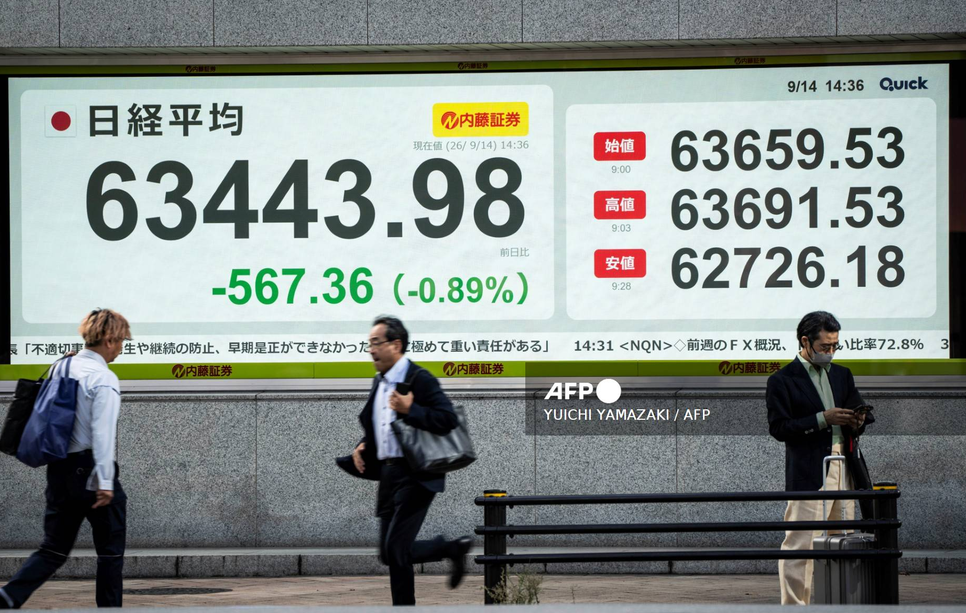
This weekend’s price jump traces back to a global supply shock, not a new decision made in Nigeria. The deeper, structural failures — decades of refining collapse, subsidy mismanagement, currency policy — are real and worth demanding answers for. But conflating the two lets everyone off the hook for the wrong reasons.
The question worth asking isn’t “why did leadership cause a war in the Middle East?” It’s “what is leadership doing to protect us from the next shock we can’t stop?”