
Compiled By: Malami Haruna Dogondaji
26 OCTOBER, 2O26
China has condemned the United States after the Pentagon listed Confucius Institutes—Chinese-funded cultural and language centers on US university campuses—as a national security threat. Beijing says the centers teach Chinese language and culture, while Washington says they can be used to spread Chinese government influence inside American universities.
The dispute is not only about language classes. It is part of a wider struggle between the world’s two biggest economies over education, technology, information, and influence.
What happened?
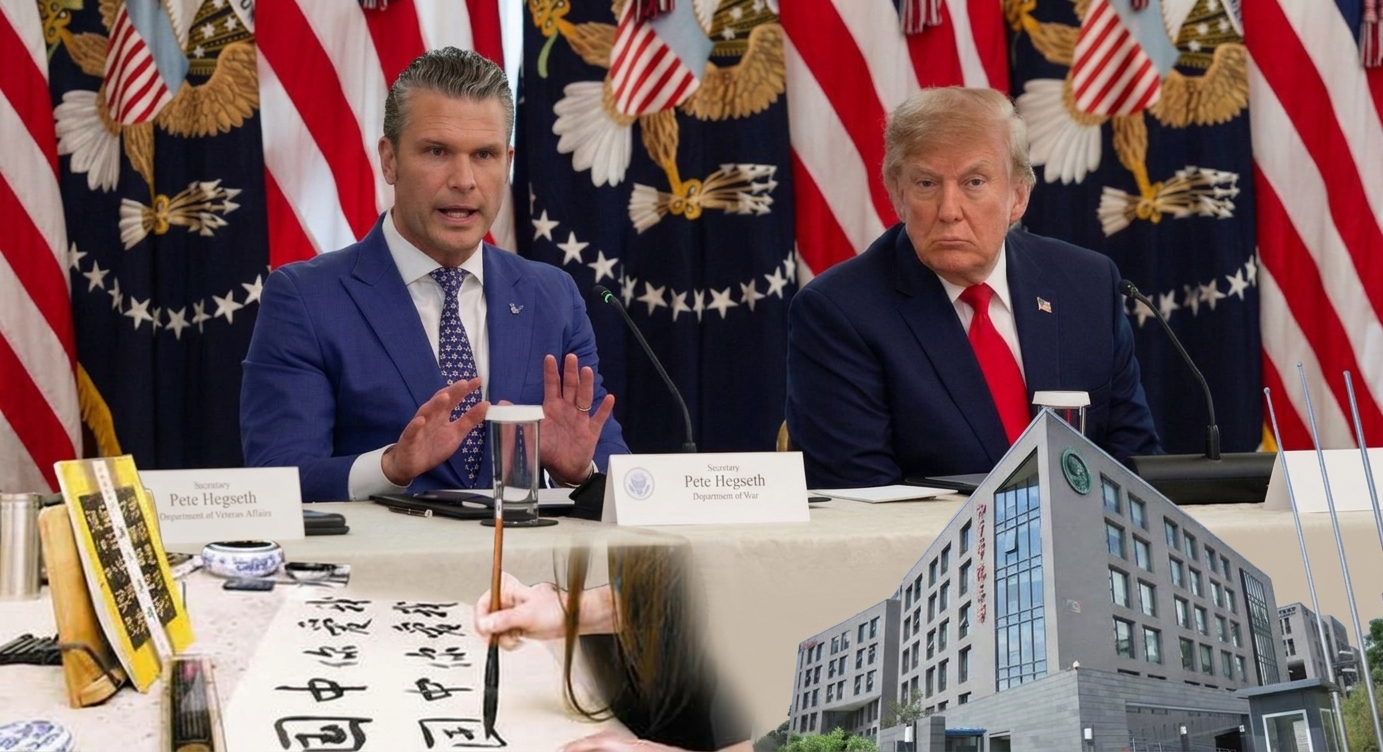
On Friday, US Defence Secretary Pete Hegseth announced that the Department of Defense had added Confucius Institutes to its list of organisations seen as threats to US national security. He said the centres had returned under new names after Congress restricted them, and described them as “sleeper organizations.”
Hegseth claimed that about 80 new “propaganda cells” had appeared at 30 universities using different names and legal structures. He alleged their mission was to steal intellectual property and influence American students. These are serious accusations, and China rejects them.

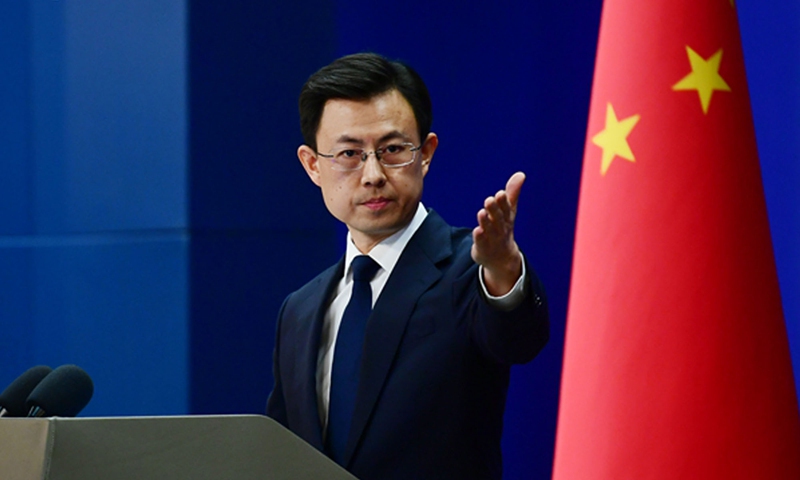
On Monday, China’s Foreign Ministry spokesman Guo Jiakun responded: “We oppose attempts to smear and stigmatize Confucius Institutes.” He said educational exchanges between China and the United States help the two peoples understand each other and should not be disrupted.
What is a Confucius Institute?
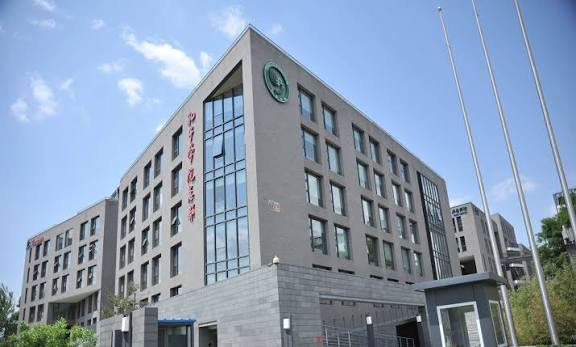
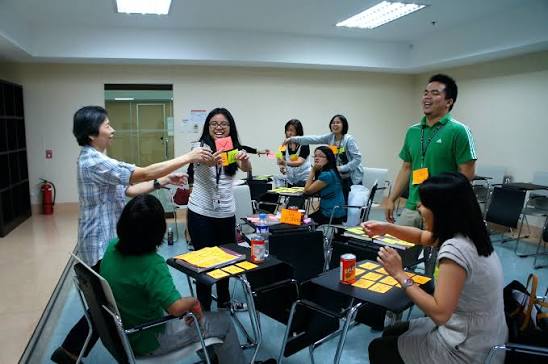
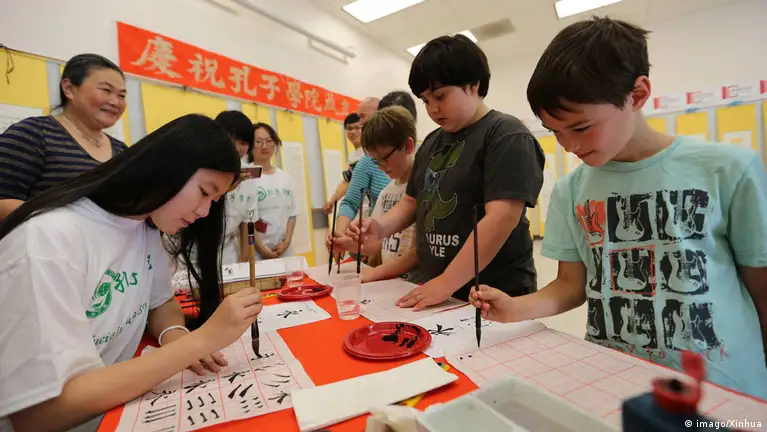
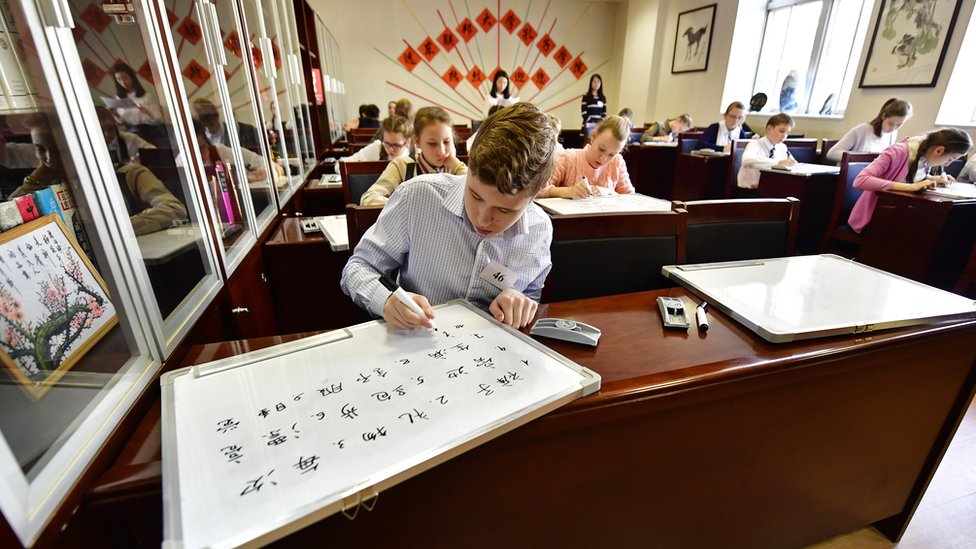
A Confucius Institute is a center usually based at a university. It is funded or supported by China and often offers Mandarin classes, calligraphy, dance, cultural events, and information about China.
The name comes from Confucius, an ancient Chinese teacher known for ideas about learning, respect, and good conduct. But the modern institutes are not only cultural clubs: they are connected to Chinese state-linked organizations, which is why US officials worry about their independence.

Why the US sees a threat
The US government’s concern is that a foreign government may gain influence inside American universities. Washington fears that Confucius Institutes could promote only China’s official view, pressure universities on sensitive topics, or give Beijing access to research, students, and academic networks.
The Pentagon’s new designation does not mean every Chinese language class is illegal or that every teacher is a spy. It means the US government now treats the institute network as a possible national-security risk, rather than simply a cultural programme.
China sees the move very differently. It argues that the US is punishing normal cultural exchange and applying a double standard: American films, universities, English teaching, and brands are widely present in China, yet Beijing does not describe them as security threats.
Key facts
| Fact | Details |
|---|---|
| What was designated? | Confucius Institutes and related Chinese-funded cultural programmes on US campuses. |
| Who made the decision? | US Defense Secretary Pete Hegseth, speaking for the Department of Defense. |
| When was it announced? | Friday, 23–24 October 2026. |
| US claim | The centres can operate as propaganda tools, influence students, and threaten US security. |
| China’s response | Beijing called the action “smearing” and “stigmatization,” and defended educational exchange. |
| Earlier US action | In 2020, the US State Department designated the Confucius Institute US Center as a “foreign mission” of China. |
| Main disagreement | China says the institutes promote language and culture; the US says they may extend Chinese state influence into universities. |
Why this matters
This dispute affects more than universities. It could reduce Chinese language learning in the US, make academic cooperation harder, and deepen distrust between Washington and Beijing.
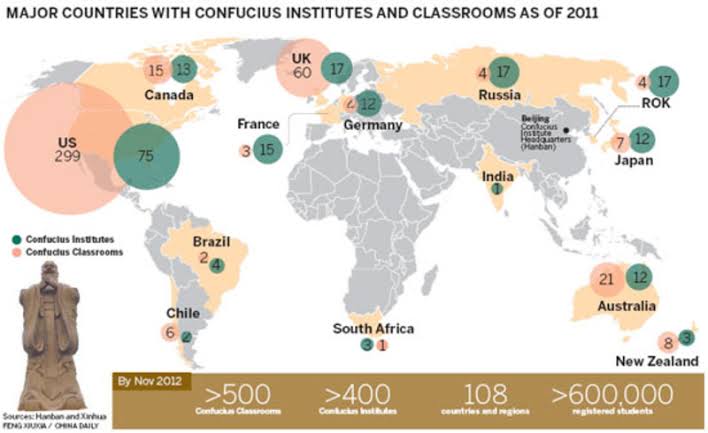
For countries such as Nigeria and other African nations, the issue is also important because China invests heavily in education, media, infrastructure, and technology across Africa. Confucius Institutes operate in many countries, so the US-China argument raises a wider question: how can countries welcome foreign language and cultural programmes while protecting their own universities, research, and independence?
What may happen next
US universities may close or rename remaining Confucius Institute-linked programmes, while Congress could add stricter rules on Chinese funding and campus partnerships. China is likely to continue defending the institutes as cultural exchange and may expand Chinese language education through other channels.
The larger contest will continue: the US wants to limit Chinese state influence inside its institutions, while China wants to protect its global cultural presence and resist what it calls political discrimination.
Want to understand global China-US tensions in simple language? Follow our explained series for clear, fact-checked breakdowns of the stories shaping technology, education, and world politics. Share this article with someone who wants to understand today’s news without confusing political language.