
McDonald’s will not renew its FIFA World Cup sponsorship beyond 2026, ending an association that began with the 1994 tournament in the United States. The decision comes as the company reassesses how it spends its marketing budget and measures returns from major campaigns.
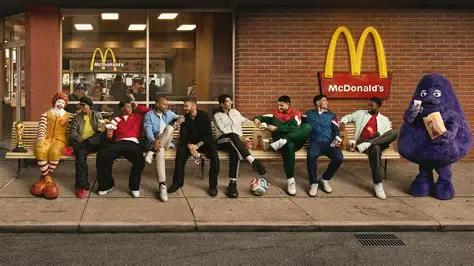
The move follows McDonald’s largest-ever World Cup campaign, which ran in more than 110 countries during the 2026 tournament and included a FIFA World Cup meal and Happy Meals with collectible cups featuring football stars.
On the company’s second-quarter earnings call, Chief Financial Officer Ian Borden said the campaign boosted the business and generated enthusiasm across its restaurants, but fell short of their expectations.
McDonald’s reported US comparable sales growth of 0.8 per cent in the second quarter of 2026, compared with 2.5 per cent a year earlier. Executives attributed part of the customer-traffic shortfall to the World Cup campaign, while also pointing to other challenges, including value offerings and operational execution. The figures do not show that the sponsorship failed in every market, only that it did not deliver the results the company expected.
The company has said it wants to focus more on its own brand platforms and experiences rather than depend heavily on external properties such as major sporting events and entertainment franchises. It will continue investing in sport through other partnerships and has clarified that its decision is unrelated to recent controversies involving FIFA. The current agreement expires at the end of 2026.
For FIFA, the exit means a long-standing global sponsor will leave its flagship men’s World Cup, opening the way to seek another partner in the restaurant category, subject to its sponsorship arrangements.
Analysts note that the decision highlights a broader point for businesses, including Nigerian companies that invest in football, celebrity endorsements and entertainment events: audience size and visibility do not automatically translate into sales growth.
Brand recognition, customer engagement and sales are related, but not interchangeable. The development does not, on its own, show that major sports sponsorships have lost their commercial value, but it underlines the need to match marketing spending to clear objectives and measure results beyond publicity.