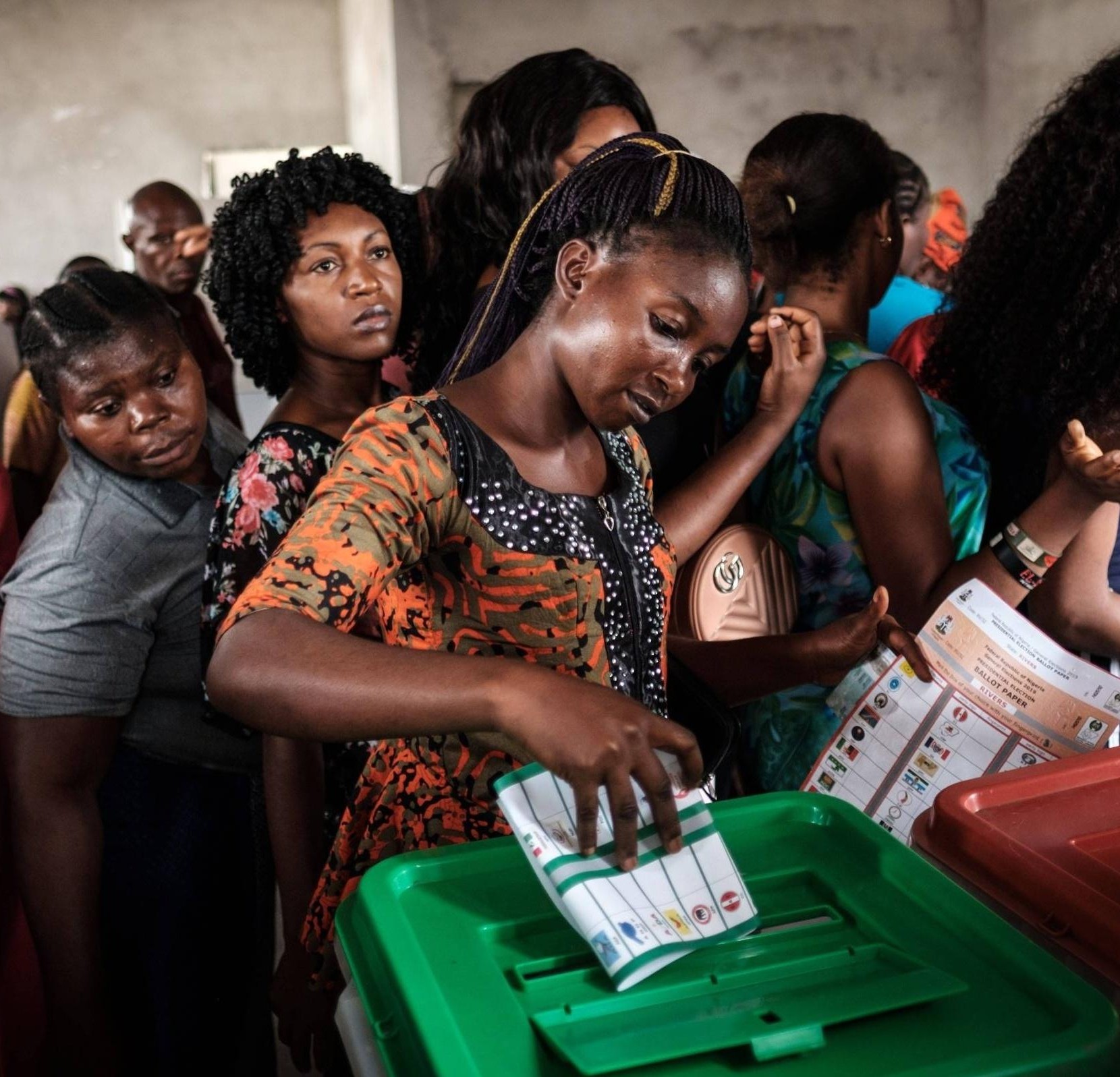

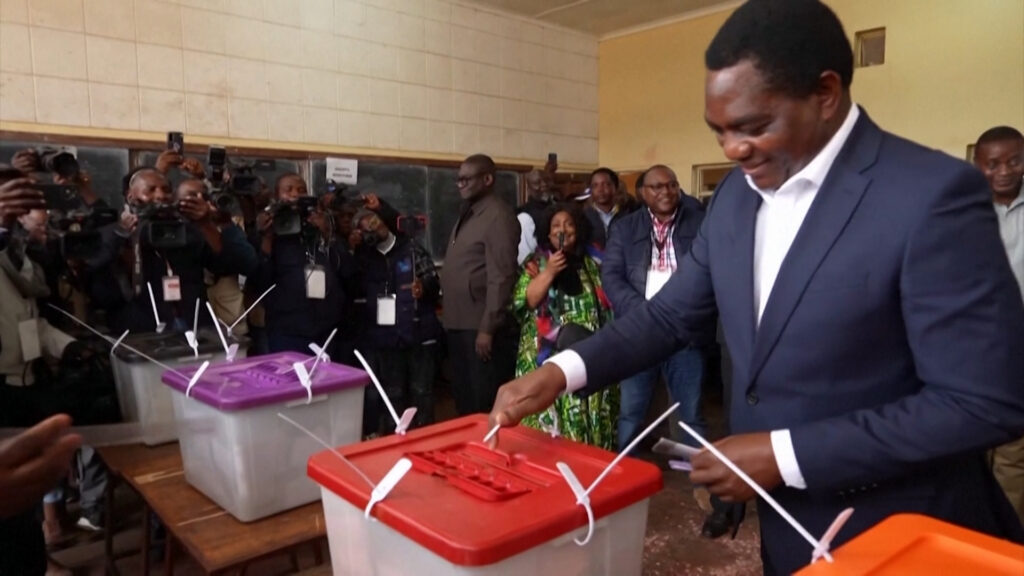
Zambians are currently casting their votes in the country’s general elections, with citizens choosing a president, members of the National Assembly, councillors and council chairpersons. The Electoral Commission of Zambia expanded the country’s parliamentary representation ahead of the election by adding 70 new constituencies, increasing the number of National Assembly seats from 156 to 226.
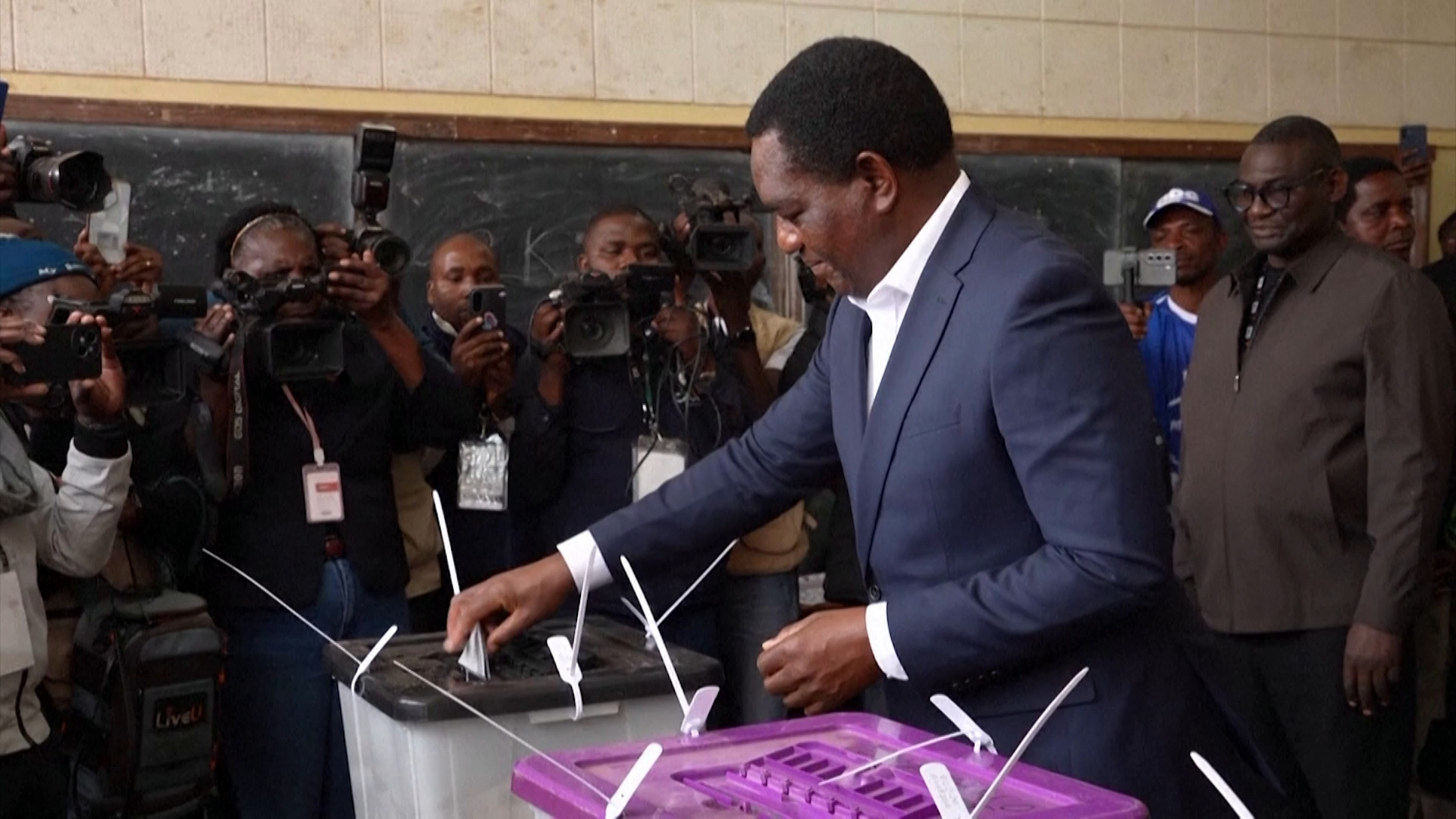
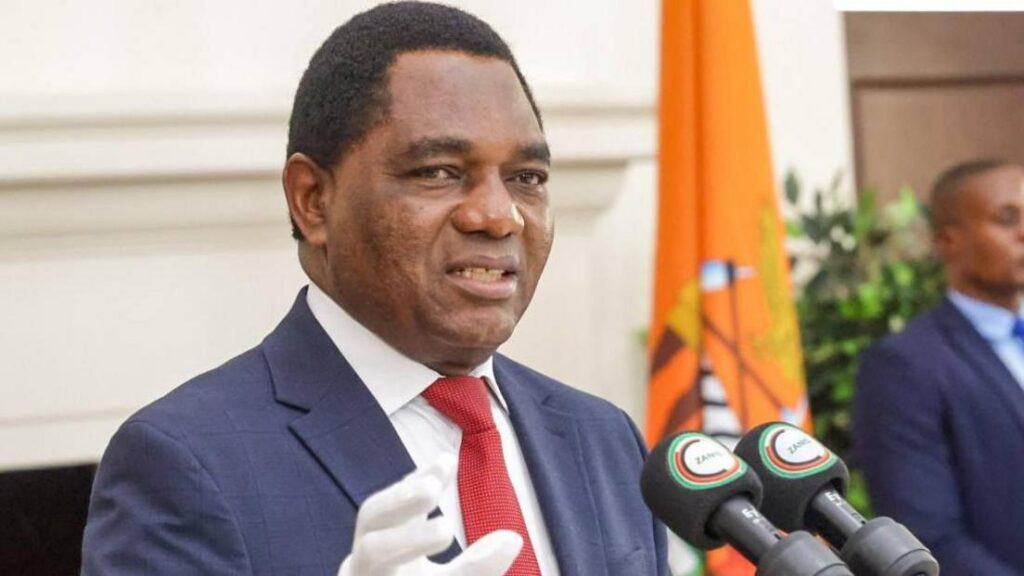
For President Hakainde Hichilema, the election represents a choice between continuing his administration’s agenda and taking a different direction. After casting his vote, the United Party for National Development (UPND) leader described the election as being about “the people of Zambia and their future,” framing the contest around “progress as opposed to regression.”
Up to 8.7 million voters are expected to participate in the election, with women making up the majority of the electorate. Beyond the size of the voting population, this election has also drawn attention for the increased visibility of women in Zambia’s political landscape, with one female presidential candidate and four women serving as running mates across different political parties.
Beyond the presidential contest, this election also carries significance for Zambia’s political structure following the expansion of the National Assembly, a move aimed at widening representation as the country’s population and electoral landscape continue to evolve. However, the enlarged legislature also raises questions about how the new seats could influence political power and decision-making after the election.
Hichilema, who came to power in 2021 after defeating then-incumbent Edgar Lungu, is seeking a second term against 14 opponents. His campaign has centred on economic reforms, debt restructuring and development, while critics have highlighted concerns including the cost of living and whether economic gains have translated into improved daily life for ordinary Zambians.
After inheriting a country facing significant economic challenges, including high debt levels and fiscal pressure, Hichilema’s government entered negotiations with international creditors and secured a restructuring programme aimed at easing Zambia’s debt burden. The process, supported by the International Monetary Fund (IMF) and other creditors, provided debt-service relief and was designed to restore fiscal stability while creating room for government spending on social programmes.
The administration also introduced free education from primary through secondary school, a policy the government says has increased access to learning for children across the country. It further increased the Constituency Development Fund (CDF), directing more resources toward local communities for projects such as schools, clinics and markets.
In the mining sector, Hichilema has focused on attracting investment and reviving Zambia’s copper industry, which remains central to the country’s economy. His government has also faced major challenges, including the devastating 2024 drought that affected agriculture and electricity generation, prompting a national response to the climate crisis.
As he seeks a second term, Hichilema has framed the election as a choice between continuing the path of reform and returning to what he describes as past difficulties. However, the election also comes amid public concerns over the cost of living and whether economic gains have translated into improved conditions for ordinary Zambians.