


In a watershed moment for national security, the House of Representatives has passed the historic State Police Bill (HB. 617), breaking decades of absolute centralisation to empower subnational governments against shifting internal security threats.
Strong Bipartisan Consensus Overcomes Historical Hurdles
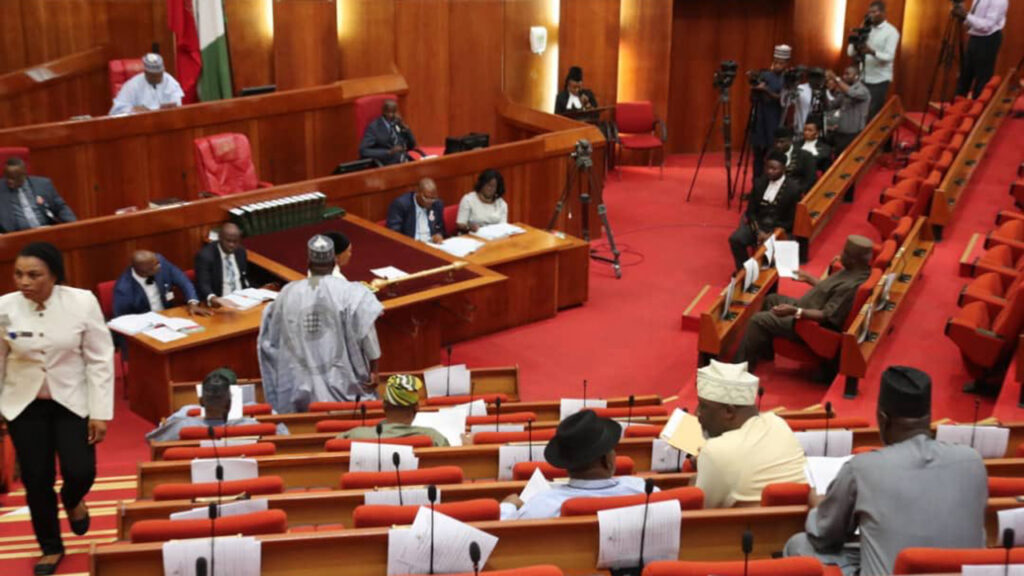
During the plenary session on Wednesday, June 10, 2026 (reported Thursday, June 11), a total of 289 lawmakers voted in favour of the constitutional amendment, while only four members opposed it. This overwhelming, cross-party majority signals a unified legislative resolve to confront persistent challenges like banditry, kidnappings, and insurgency.

Co-sponsored by the Deputy Speaker of the 10th House of Representatives, Rt. Hon. Benjamin Kalu, alongside 14 other representatives, this breakthrough comes after the legislation previously failed to scale through in both the 8th and 9th National Assemblies.
Amending Section 214 for Local Efficiency
Nigeria’s current policing framework remains heavily centralised under Section 214 of the 1999 Constitution. Critics have long argued that this structure hinders swift, grassroots responses to regional security threats currently plaguing the North, Southeast, and other territories.
HB. 617 introduces a fundamental shift by transferring policing from the Exclusive Legislative List to the Concurrent Legislative List. This grants both the Federal Government and state authorities the legal powers to establish and manage distinct policing frameworks.
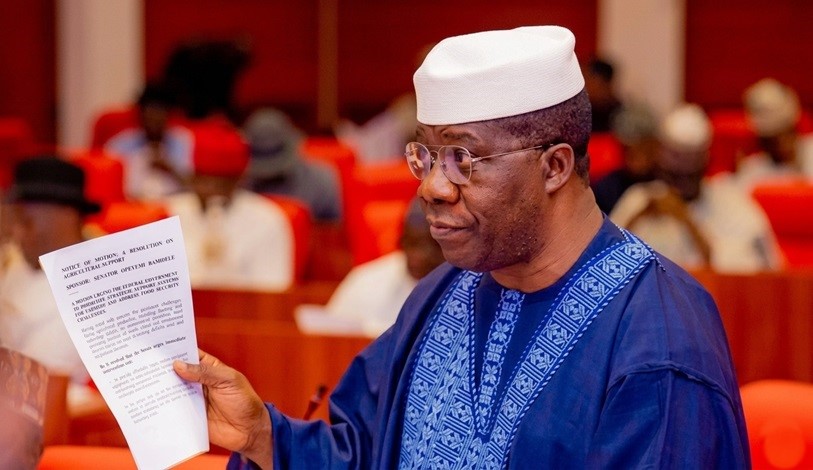
“The Senate is expected to pass its version later on Thursday, June 11, 2026, ensuring rapid legislative alignment.” — Senator Opeyemi Bamidele, Senate Leader
President Bola Tinubu has consistently assured international partners, including US and European allies, that decentralised policing must happen to secure the nation. This push aligns with recent structural security reforms, including the President’s recent assent to the Nigeria Police Trust Fund Bill (2025) and the Police Training Institute Bill.

Simultaneously, counterparts in the upper chamber are deliberating on a parallel track under SB 248, sponsored by Ajibola Bashiru, which proposes renaming the central body to the “Nigeria Police Service” to reflect a more civil-oriented mandate.
Safeguards, Standards, and Digital Governance
To prevent political weaponisation by regional executives, the bill mandates the creation of independent State Police Service Commissions to oversee recruitment, promotions, and discipline. Operational jurisdictions will be strictly limited to state boundaries.
Continental Context: Hard Lessons from African Peers
As Nigeria transitions towards a decentralised model, security analysts point to existing frameworks across Africa to extract critical implementation lessons:
- South Africa: Municipal police forces successfully manage traffic, local by-laws, and immediate crime prevention. However, they lack criminal investigation powers and must hand suspects over to the centralised South African Police Service (SAPS), highlighting the need for seamless federal-state operational handovers.
- Kenya: The devolution under the 2010 Constitution successfully decentralised local administration, but county-level policing remains fragmented and faces ongoing jurisdictional clashes with national security units due to overlapping boundaries.
- Ethiopia: The regional policing model demonstrates that decentralised forces drastically improve grassroots intelligence gathering. However, it serves as a stern warning that without robust federal oversight, regional forces face a high risk of ethnic politicisation.
Fast Facts: Core Provisions of HB. 617
| Legislative Parameter | Operational Framework |
|---|---|
| Constitutional Basis | Amends Section 214 to shift policing from the Exclusive to the Concurrent List. |
| Jurisdiction Limits | Localized law enforcement bodies are strictly restricted to operations within state boundaries. |
| Oversight Mechanism | Establishes independent State Police Service Commissions for personnel discipline and recruitment. |
| Bipartisan Backing | Passed the House with an overwhelming 289 to 4 vote consensus. |
The Legislative Journey Ahead
While the House passage represents an unprecedented milestone, the bill must successfully navigate remaining statutory hurdles before it can be enacted into law. Following the expected Senate action, both chambers of the National Assembly will harmonise the legislation into a unified text.
Crucially, because it alters the constitution, the amendment will require the formal approval of at least two-thirds of the 36 State Houses of Assembly (24 states) before it is finally transmitted for presidential assent by President Bola Tinubu.
The Social Call-to-Action (CTA)
Do you believe state police forces will effectively end regional insecurity, or are you concerned about political misuse by state governors? Share your views and join the national conversation on NTA’s official social media platforms using the hashtags #NTANetwork and #StatePoliceNigeria.