
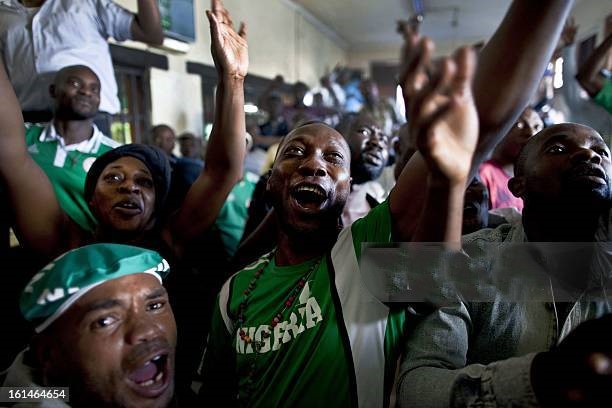
From the packed, high-energy viewing centres of Lagos to the intense street debates in Abuja, football is not merely a pastime in Nigeria; it is a secular religion that anchors our collective identity.
The Emotional Power of Fandom
A football match lasts only 90 minutes on the pitch. For millions of Nigerians, however, the experience begins long before the referee blows the first whistle and resonates long after the final whistle blows.
Modern research in sports sociology shows that football attachment is a complex human phenomenon. It is shaped by identity, belonging, emotion, culture, and personal relationships.
Supporters routinely integrate their favourite teams into their own self-concept. This psychological connection explains why a weekend victory can elevate a fan’s mood for days, while a defeat feels like a deeply personal disappointment.

“Football functions as an emotional mirror for citizens, and national-team results can trigger collective pride or collective disappointment,” said Dr Emmanuel Edem Ikpeme, a Nigerian sports psychologist and football administrator.
Families Without Borders and the Cult of Icons
One of the most remarkable features of football is how fandom is inherited across generations. Children frequently adopt clubs as part of family traditions, turning a match-day jersey into an emotional family heirloom.
Shared rituals such as specific match-day routines, supporter gatherings, and local chants strengthen group identity. This loyalty remains unshakeable even during years of club disappointment because fans are protecting a piece of their personal history.
The Rise of Parasocial Connections
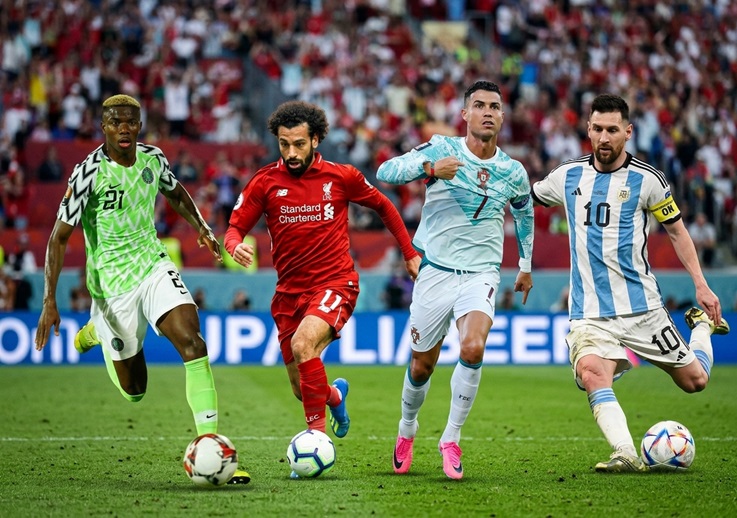
The modern game has evolved beyond basic club loyalty into the emotional adoration of individual superstars. Icons like Lionel Messi, Cristiano Ronaldo, Mohamed Salah, and Nigeria’s own Victor Osimhen represent more than athletic excellence.
Fans build what researchers term “parasocial relationships” with these athletes. Though fans may never meet these global stars, the players heavily influence youth ambitions, personal confidence, and cultural style across the continent
National Identity and the AFCON Effect
Few global events ignite collective emotion quite like international football tournaments. During the Africa Cup of Nations (AFCON) or the FIFA World Cup, football transcends sport to become pure national expression.
A national team carries the weight of history, culture, and shared aspirations. Research indicates that international success directly boosts feelings of unity and collective pride among citizens.
For 90 minutes, complex political disagreements and social differences temporarily fade. Nigerians from all walks of life stand side-by-side, unified entirely by the green and white flag.
Fast Facts: The Football Matrix
| Core Area | Why Football Matters |
|---|---|
| Identity | It helps people define who they are and where they belong. |
| Community | It brings people together across households, streets, and cities. |
| Nationhood | It becomes a symbol of pride, unity, and international recognition. |
| Media | It drives conversation, reaction, highlights, and viral storytelling. |
| Inclusion | It is reaching wider audiences, including more women and girls. |
The Changing Face of the Terraces
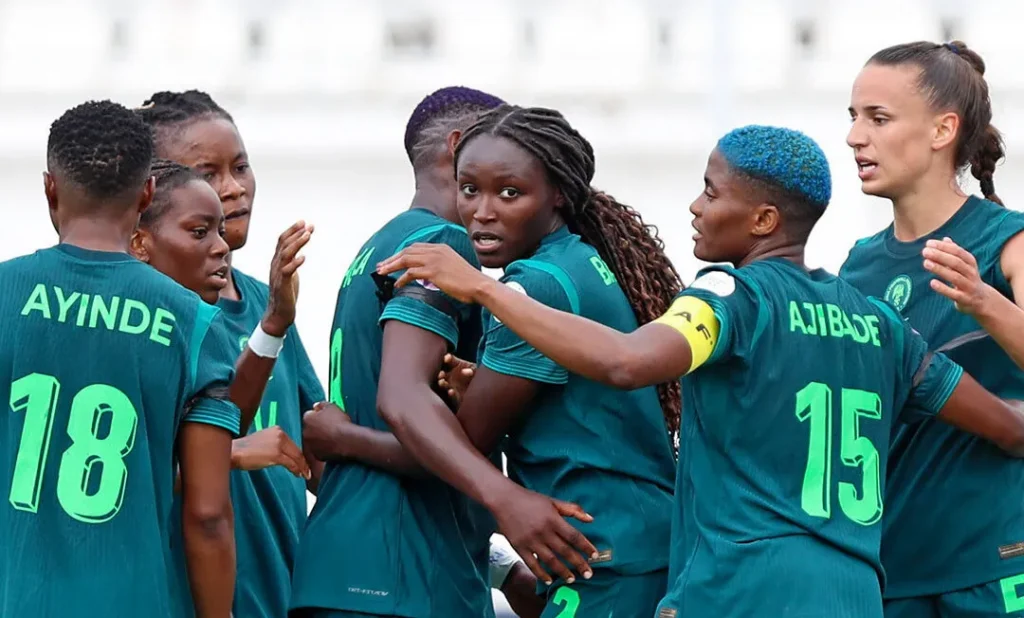
For decades, global football culture was incorrectly stereotyped as an exclusively male domain. Recent demographic studies completely dismantle this assumption, proving that women and girls are driving the fastest-growing sectors of fandom.
Female supporters express an identical passion for the tactical depth, competitive thrill, and community spirit of the sport. Their engagement is rooted in a genuine love for the game rather than mere social compliance with male relatives.
However, challenges remain within traditional fan spaces. Many female fans still encounter outdated stereotypes, online harassment, and skepticism regarding their technical knowledge of the sport.
The rapid growth of women’s professional leagues and digital fan communities is actively dismantling these barriers. The future of football fandom is systematically becoming more inclusive.
Africa’s Unique Football Landscape
Africa provides the clearest evidence of the social and economic power of football. Across sub-Saharan markets, football is an essential economic driver and a primary engine of social mobility.
For thousands of young talents, the sport represents a tangible pathway out of difficult economic circumstances. The iconic journeys of local heroes who achieved European success continue to inspire grassroots academies nationwide.
The Dual Identity of the African Fan
African football identity operates on a sophisticated dual track. Fans maintain passionate allegiances to elite European clubs while simultaneously supporting local domestic leagues and national squads.
A Nigerian fan will passionately defend Arsenal or Chelsea on a Saturday evening, then completely pivot to support the Super Eagles on Sunday. This duality highlights how football serves as a perfect cultural bridge between localized community and global media.
The Digital Viewing Centre
The digital revolution has permanently transformed how football is consumed and debated. Platforms such as X, WhatsApp, YouTube, and Instagram have turned regional fans into global commentators.
A supporter in Abuja can now debate tactical substitutions with a fan in London or Buenos Aires in real time. Geography no longer limits the boundaries of a club’s community.
This interconnected network thrives on shared humour, viral memes, and relentless tactical analysis. Technology has effectively turned the global football apparatus into the world’s largest emotional ecosystem.
The Social Call-to-Action (CTA)
Does European football dominance overshadow our domestic leagues, or does it help connect Nigerian fans to the global sporting community? Share your perspective with the NTA Digital team on X and Facebook using the hashtag #NTASports!