
Whether dragging a rival fan base on X (formerly Twitter) or sending a quick weekend broadcast on WhatsApp, Nigerians have embraced emojis as an essential part of the modern digital vocabulary and communication
The Core Technology behind Emojis
Emojis are small digital symbols that help people express emotion, tone, and meaning in online messages. They are not random internet stickers; they are (plain) text-based signs that your phone or computer turns (through several renderings) until they are transmitted into colourful icons at your disposal or request. For non-technical readers across Nigeria, it helps to view an emoji simply as a text character with a picture face.
They travel through digital systems as pure code (Unicode -unique code and official identity for each and every single Emoji). Once the code reaches a recipient’s screen, the device’s software and font design “translate” it into a visible image.
A Brief History and the Unicode Standard
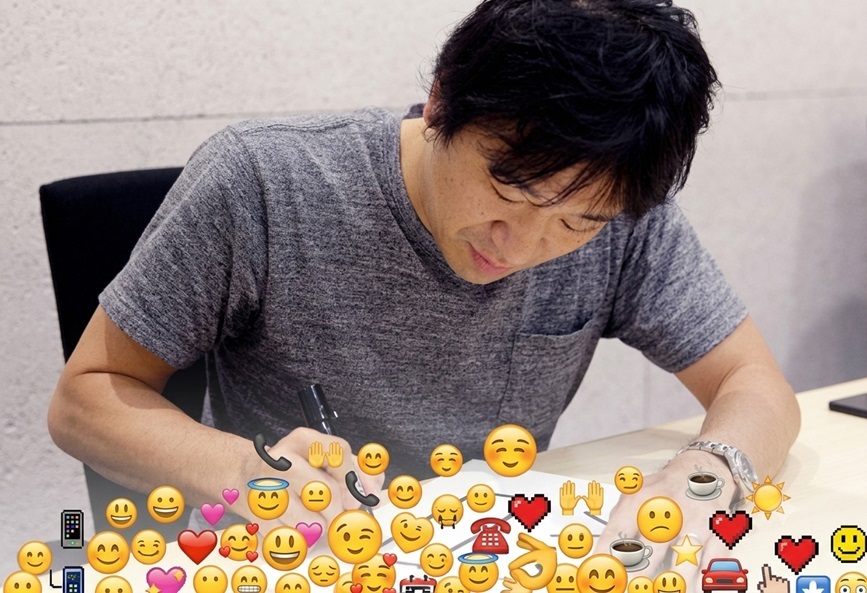
The word “emoji” is Japanese in origin (e – for picture, mo – for write, ji – for character), translating roughly to “picture character”. The modern system was born in Japan in 1999 when Shigetaka Kurita created a set of 176 small icons for NTT DoCoMo’s i-mode mobile service. Today, this massive digital infrastructure is managed globally by the Unicode Consortium.
Unicode is the master standard that gives each emoji a unique identity and official code point. Because each technology company designs its own visual style, a smiling face sent from an iOS device may look slightly different when received on an Android device.
“Think of the emoji system as a chain. First, the emoji is typed or selected. Then it is stored as a digital code. After that, your device reads the code and uses a font or rendering system to show the emoji on screen. In other words, the emoji is not “painted” into the message; it is “translated” into an image by the device.”
FAST FACTS: Emojis by the Numbers & Tech
- Total Count: Following the rollout of the Unicode 16.0 update in late 2024, there are now 3,790 official emojis available globally.
- Top Choices: While the “Face with Tears of Joy” (😂) has dominated historical charts, the “Sparkles” (✨) and “Head Shaking Horizontally” (🙂↔️) were crowned the top emojis in 2024.
- Rendering: The internal process of turning code into a visible symbol on your screen.
- Zero Width Joiner: An invisible connector that builds complex icons (like family groupings or varied skin tones) from several code parts combined together.
Why We Cannot Stop Using Them
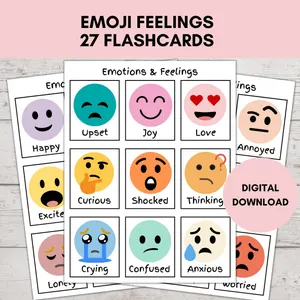
Human conversation relies heavily on facial expressions, tone of voice, and body language. Plain text strips these visual cues away, but emojis step in to fill the emotional gap, adding warmth, humour, or respect to a short message. A simple sentence like “Okay” can instantly shift from rude or cold to friendly with the addition of a smiley face.
They have become a global communication habit largely because they solve the problem of flat, emotionless text messages. Furthermore, the continuous addition of new emojis reflects modern experiences and diverse identities, helping people feel seen and represented in digital communication.
Managing Emoji Use in Professional Spaces
While emojis build social connection, they carry risks if overused or misunderstood in cross-cultural or professional settings. For some users, checking or sending emojis has become an automatic reflex tied to social approval and quick emotional reward. Experts recommend pausing before sending to ask if the symbol genuinely improves clarity or merely fills space.
Do you think emojis belong in professional emails, or should they be strictly reserved for casual WhatsApp chats and social media? Share your thoughts with us on the NTA’s official social platforms using the hashtag #NTADigital!