
The 2027 elections have dominated political discourse for months, including party meetings, demonstrations, defections, and behind-the-scenes calculations. Today, that discussion becomes public.
Nigeria’s 2027 Presidential and National Assembly election campaign season has officially begun, with votes scheduled for January 16, 2027.
The move turns months of political posturing into a free-for-all for Nigerians’ ballots. While political parties start the last stage of gaining support nationwide, candidates can now formally present their platforms, platforms, and campaign pledges to voters.
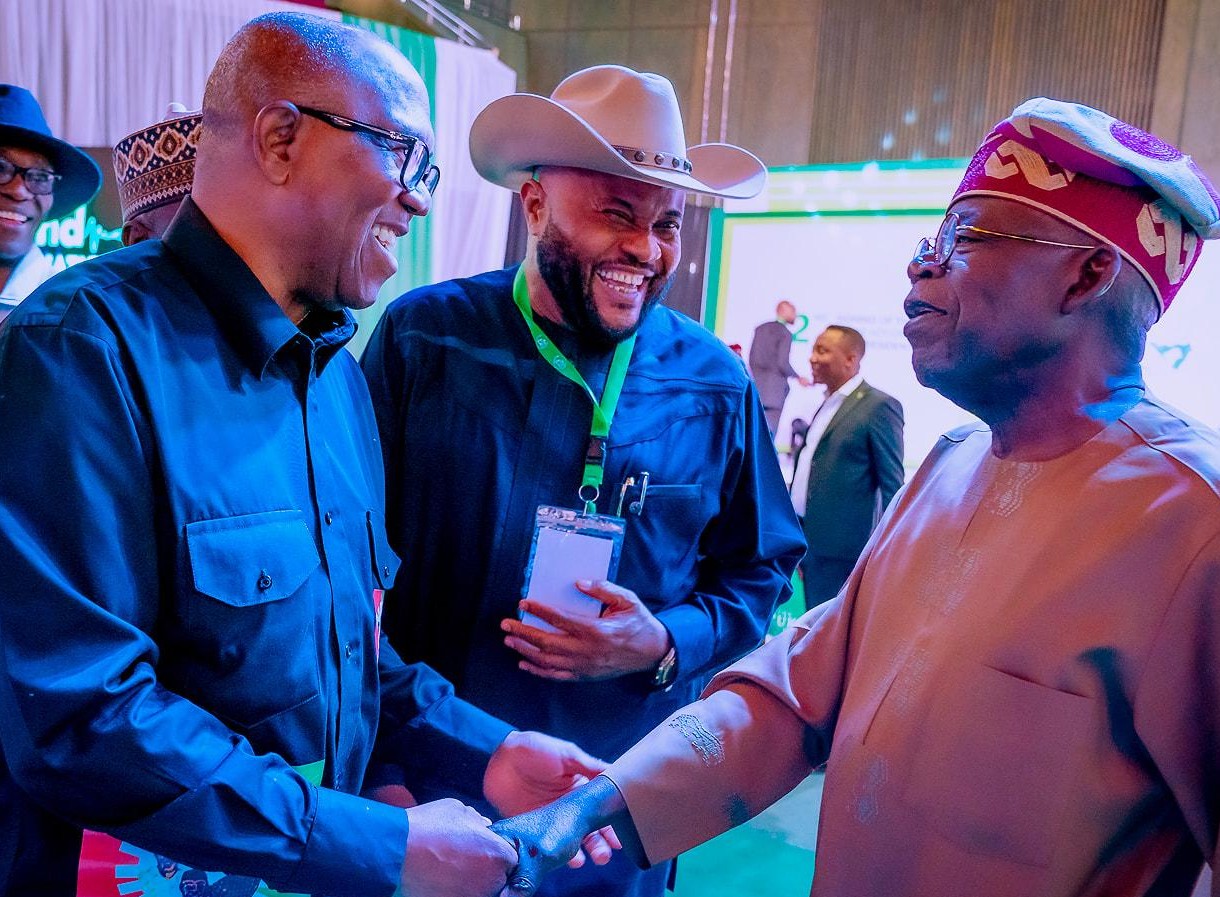
And the political elite convened in Abuja for yet another pivotal event just one day prior to the opening of the campaign window.
On Tuesday, August 18, political parties and presidential candidates signed the National Peace Accord, pledging to run nonviolent, issue-based campaigns and opposing hate speech, violence, false information, personal assaults, and misinformation produced by artificial intelligence. George Akume, the Secretary to the Government of the Federation, represented President Bola Tinubu at the event.
Representatives from the All Progressives Congress (APC), which is running President Bola Tinubu; the Nigeria Democratic Congress (NDC), which is running Peter Obi; the African Action Congress (AAC), which is running Omoyele Sowore; the Social Democratic Party (SDP), which is running Adewole Adebayo; and the Peoples Redemption Party (PRP), which is running former Cross River State Governor Donald Duke, were among those who signed. The agreement was also signed by sixteen additional presidential contenders.
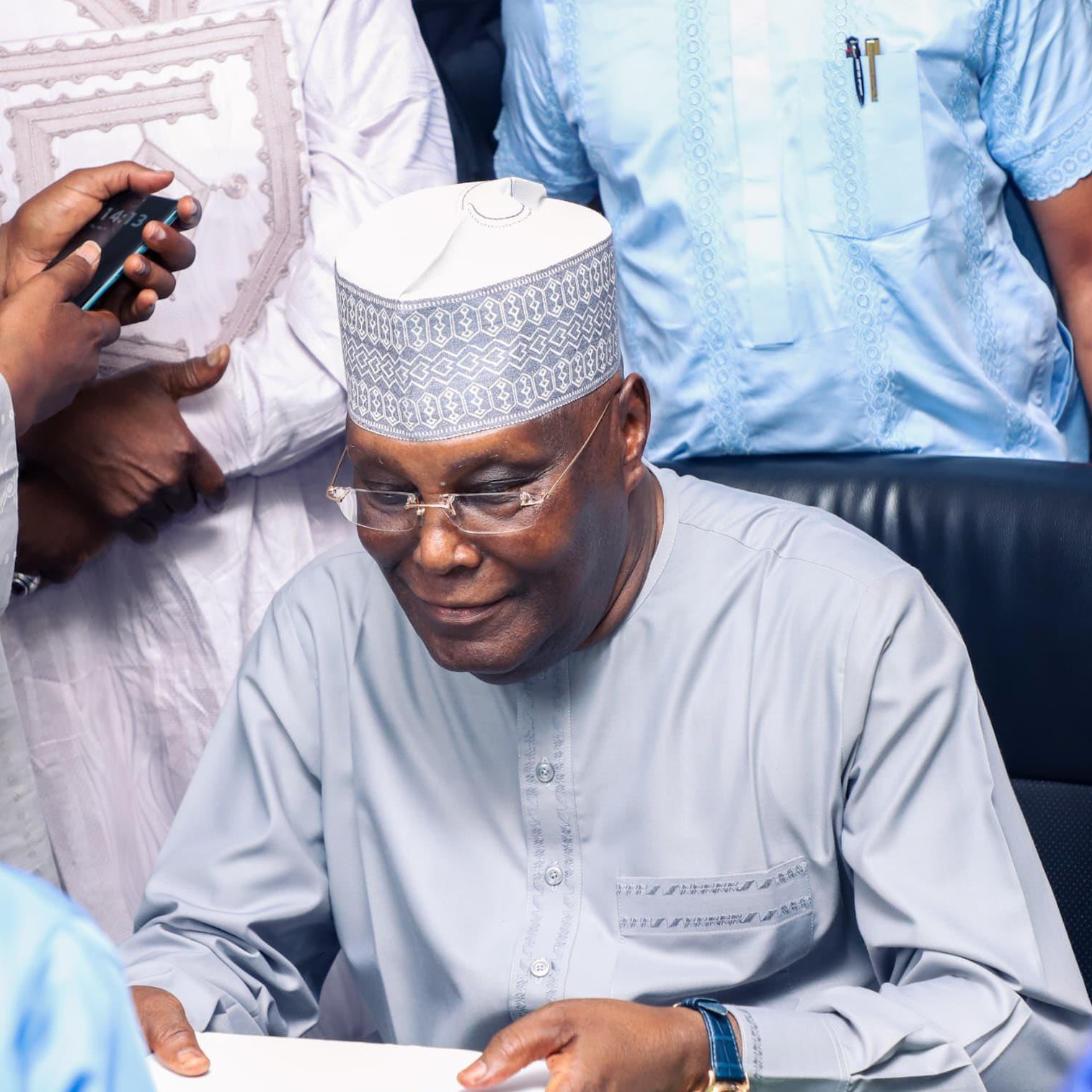
Former Vice President Atiku Abubakar, the African Democratic Congress, ADC, candidate, was among the major political figures absent from the ceremony. The ADC has emerged as one of the principal opposition platforms, with Atiku running alongside former Minister of Transportation Rotimi Amaechi.
The timing of the accord is significant. It came as Nigeria moved from a period of political preparation into an officially sanctioned campaign period. For months, parties had already been mobilising supporters, holding consultations and building political structures, sometimes pushing against the boundaries of the formal campaign timetable. The APC, for example, has maintained nationwide mobilisation around Tinubu’s re-election through consultations, town halls, endorsements, support-group rallies and increasingly visible campaign materials.
The opposition camps, meanwhile, have been pursuing different routes to the same objective: stopping the ruling party from retaining the presidency.
Atiku’s ADC has been working to consolidate the opposition coalition around his candidacy, with former Sokoto State Governor Aminu Tambuwal reportedly emerging as the leading contender to head his campaign organisation. The choice reflects an attempt to build a campaign structure with experienced political operators and nationwide reach.
Peter Obi’s NDC enters the race with a different political calculation. Obi is running with former Kano State Governor Rabiu Kwankwaso as his running mate, bringing together political influence from the South-East and North-West. The NDC has also attracted politicians who left the APC and ADC, strengthening its claim to be a major opposition alternative to the ruling party.
For the SDP, Adewole Adebayo has already signalled an emphasis on policy as a campaign weapon. His campaign approach has centred on presenting detailed alternatives and challenging political opponents to demonstrate how their promises would actually be implemented.
The AAC’s Omoyele Sowore also enters the race with a campaign built around his long-standing opposition to the political establishment, while Donald Duke’s PRP represents another of the smaller parties seeking to break into a contest dominated by larger political structures.
But beneath the different campaign strategies lies a common challenge.
The 2027 presidential race is crowded, with 19 candidates on INEC’s published list. Yet the political contest is increasingly being viewed through the strength of the major camps — the incumbent APC against an opposition divided among several platforms.
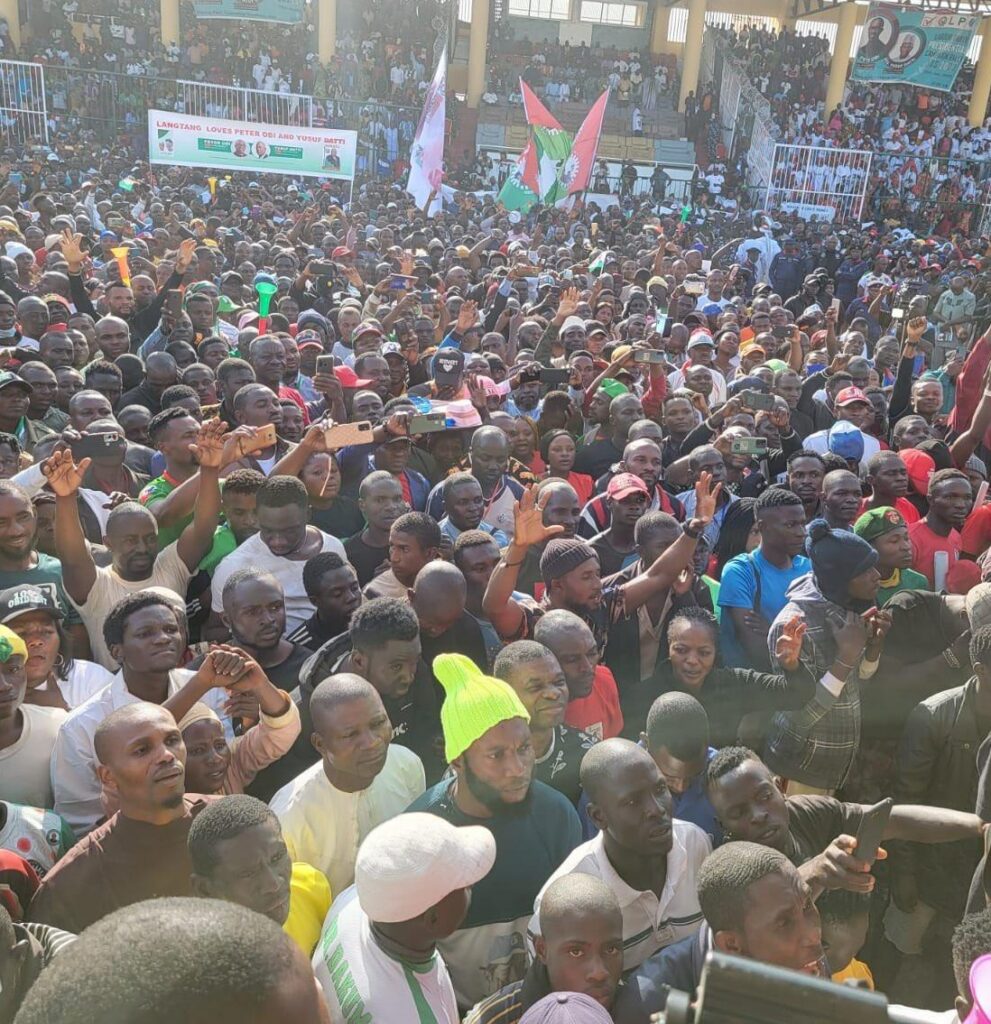
That fragmentation could be one of the defining features of the election.
In 2023, opposition votes were divided among Tinubu, Atiku, Obi and Rabiu Kwankwaso. The same pattern is emerging in 2027, despite renewed attempts by opposition leaders to form a common front. Recent efforts involving Atiku, Obi, Kwankwaso and other opposition figures have again raised the possibility of a broader alliance, but differences over candidates, party structures and political interests remain.
From now until January 16, 2027, Nigerians will hear the promises, examine the records, compare the alternatives and ultimately decide who gets their votes.
The road to the polls has begun.