

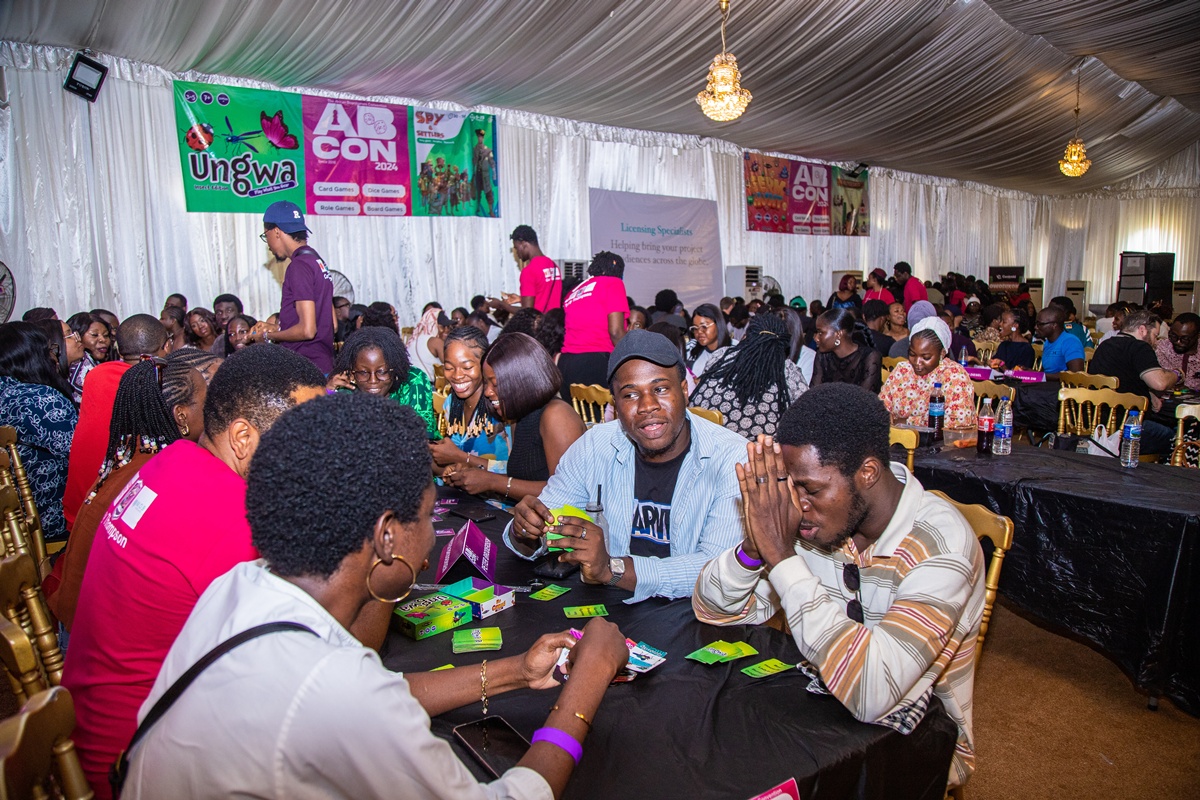
What began as a simple game made with cardboard, stones and dice during a university strike has grown into a platform connecting players, designers, publishers and gaming enthusiasts across Africa. Having followed AB Con’s activities and growth over the years, ‘Deyemi Olowa takes a closer look at the convention’s decade-long journey through its founder, Kenechukwu (KC) Ogbuagu, and his ambition to build a thriving African tabletop gaming industry.
In 2013, while studying at the University of Calabar, Kenechukwu Ogbuagu found himself with time to spare during an ASUU strike. Like many students looking for ways to pass the time, he turned to a friend for company. But rather than settle for an ordinary pastime, he decided to create a game.
Using cardboard, stones and dice from an old Ludo set, Ogbuagu put together a simple game. What started as an attempt to beat boredom would eventually introduce him to the world of game design and set him on a path towards building an industry.
As he explored tabletop gaming, he discovered a global community of modern board and card games, but noticed that Nigeria had limited platforms for people to experience them or connect with others interested in creating them.
Although games such as Ludo, Whot and Ayo were already familiar to Nigerians, there was little exposure to the wider possibilities of tabletop gaming.
That gap inspired him to establish AB Con in 2016. His ambition was not simply to organise an event where people could gather to play games, but to create a community where enthusiasts could learn, experiment, design and eventually publish their own creations.
Ten years later, that ambition has developed into a platform that brings together players, designers, publishers, manufacturers, educators and other industry professionals. AB Con, which describes itself as the first exclusive board game convention in Sub-Saharan Africa, has also expanded its activities beyond its original gathering.
Among its milestones are the introduction of AB Con Kids in 2018, the expansion of game design and playtesting programmes, support for independent designers and the development of international industry partnerships.
For KC, however, the most rewarding part of the journey is not necessarily the size of the convention or the number of people who attend. It is seeing people move from being consumers of games to recognising that they can create them and build businesses around their ideas.
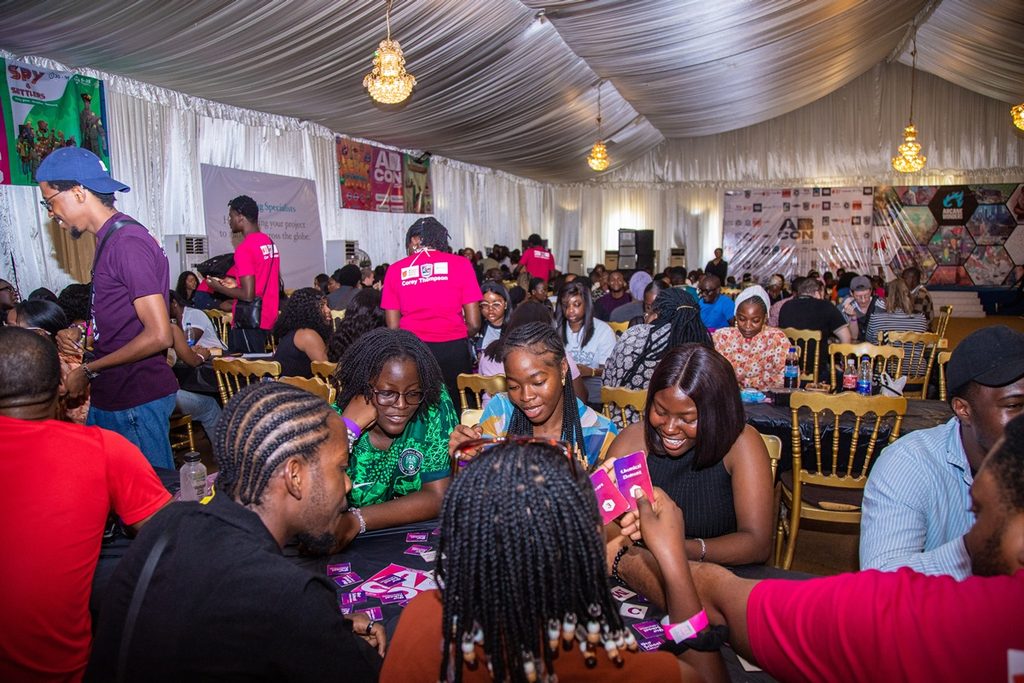
The next edition, AB Con 2026, will take place on November 27 and 28 in Abuja, marking ten years of the convention. Attendees can expect board and card games, tournaments, workshops, demonstrations, prototype playtesting, exhibitions and networking opportunities, alongside activities for children and families.
But this anniversary edition is also looking towards the future. Through initiatives such as the proposed Designers Grant, Kids Gaming Competition and Impact Award, the organisers hope to create more opportunities for emerging African game designers and recognise the people contributing to the industry.
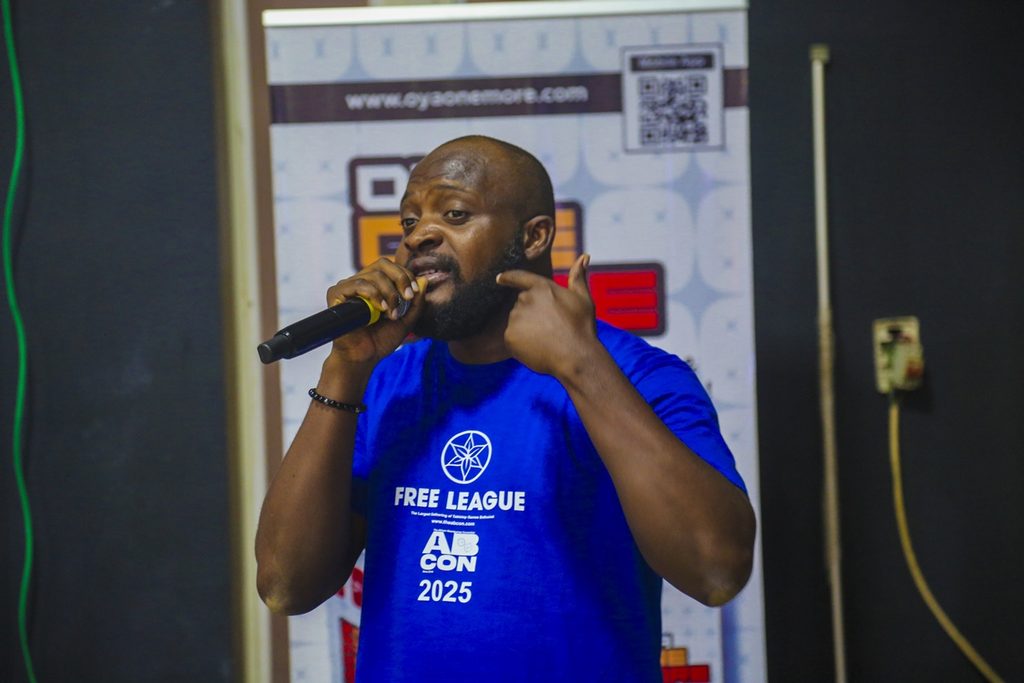
“There is something special about sitting around a table, reading people’s expressions, negotiating, bluffing, laughing and sharing an experience,” he says.
He has watched complete strangers become friends over a board game, an experience that reinforces his belief that tabletop gaming is about more than entertainment.
“For me, tabletop gaming is about human connection. Technology is great, but there is something irreplaceable about being physically present with other people.”
That emphasis on connection also informs his belief that African culture offers a wealth of material for original games. From folklore and festivals to markets, family structures and everyday social experiences, he sees opportunities for designers to develop games that reflect the continent’s realities.
He points to the familiar Nigerian face-me-I-face-you compound, with its different personalities, gossip, alliances and disagreements, as an example of an everyday setting that could inspire a social strategy game.
However, he believes cultural inspiration should go beyond using African names, images or traditional clothing to decorate existing game formats.
“Our culture should influence the mechanics, stories and overall experience,” he says, adding that not every African-inspired game needs to be educational. Sometimes, he insists, it should simply be fun.
Through NIBCARD Games, the company he founded, more than 70 games have been designed, giving him practical experience of the creative and commercial possibilities within the sector.
The convention also seeks to connect designers with people who can assist with mentorship, illustration, graphic design and production. The proposed Designers Grant for the tenth anniversary is expected to extend that support through funding and mentorship opportunities for promising African designers.
He believes the industry needs greater investment, mentorship, production support and collaboration among designers, businesses, educational institutions and investors. There is also a need to change the perception that games are merely children’s toys or gambling tools, when they can serve wider purposes in education, storytelling, social development and business.
Looking ahead, Ogbuagu wants AB Con to become more than an annual convention. His vision is for it to grow into an important institution within Africa’s tabletop gaming industry, supporting game design education, mentorship, funding and partnerships while connecting tabletop gaming with digital entertainment.
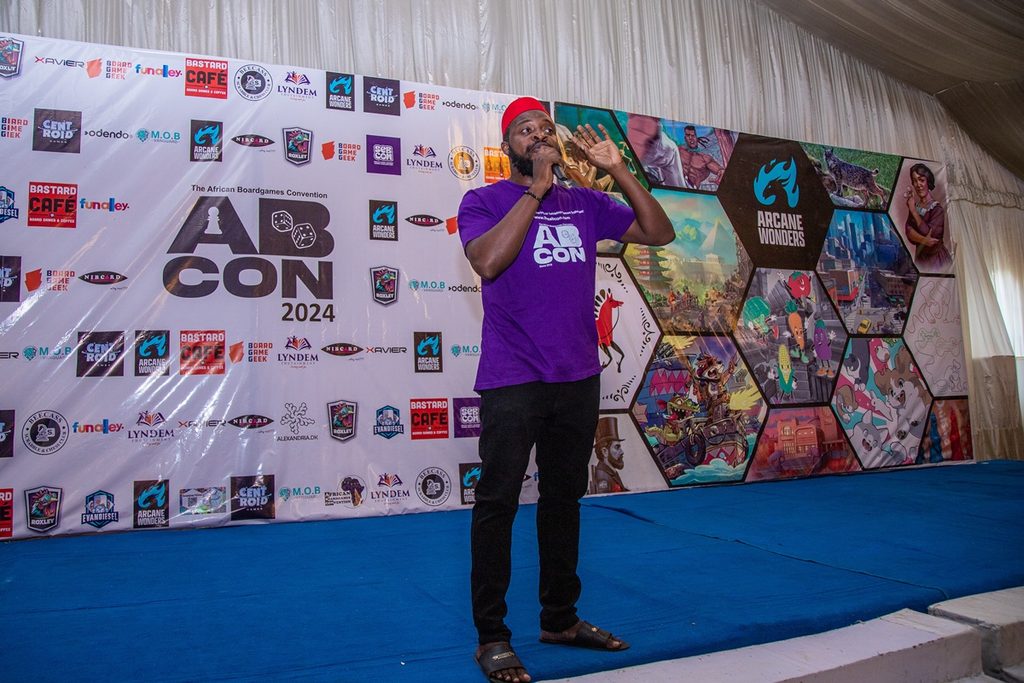
Over the next five years, he hopes to see more African designers publishing successful games, stronger local manufacturing and publishing capacity, growing gaming communities and African creations reaching international markets.
Ultimately, he wants to see an African designer develop a game inspired by their community, publish it locally and sell it anywhere in the world.
His ambition now goes beyond getting more Africans to play. It is about giving them the tools, platforms and opportunities to create.
“My dream is simple: I don’t just want Africans to play games created elsewhere. I want us to create games that the rest of the world will want to play.”