
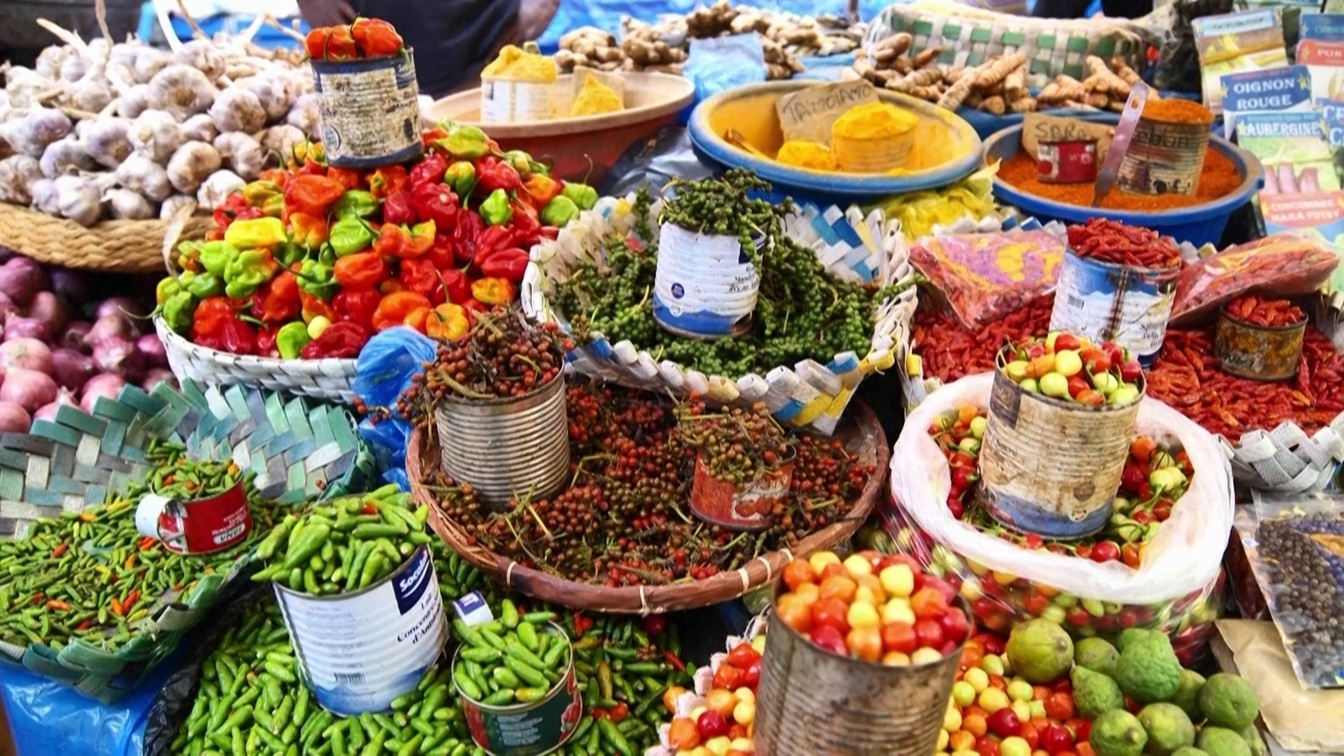
Madagascar’s prized wild pepper, tsiperifery, used in gourmet cuisine, has become the focus of debate among exporters over whether expanding its commercial market can preserve its quality and rarity.
“It’s not something you plant, harvest, and sell; it’s much more complicated, much more complex than that. Trying to democratise rare products inevitably leads to a drop in quality,” said Mima Chateauneuf, co-founder of bulk export company Jacarandas.
However, other industry players see significant commercial potential in the spice, which is harvested from the wild and is closely associated with Madagascar.
“I fundamentally believe that we can reach the same level as vanilla in terms of price, in terms of business, in terms of commercial value, and what’s more, it’s a natural monopoly for Madagascar,” said Olivier Ramaherison, operations director at Essentialys and a spice exporter.
The contrasting views highlight a wider debate over how Madagascar can develop the market for tsiperifery while maintaining the qualities that make it sought after by gourmet chefs and specialist buyers.
For some exporters, expanding production and sales risks compromising the pepper’s distinctive character. Others believe its rarity and connection to Madagascar could help it achieve the commercial standing of the country’s globally recognised vanilla.
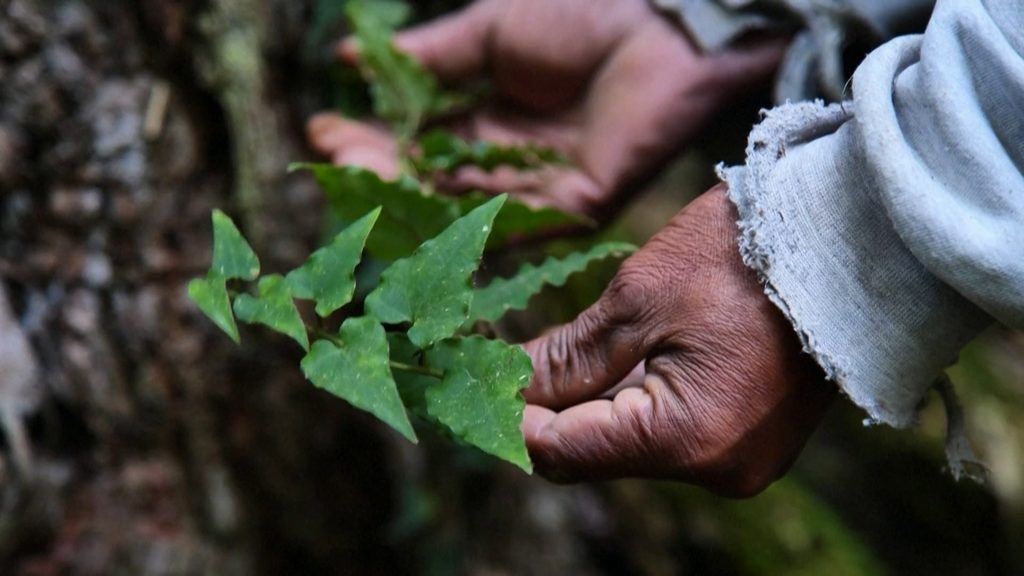
The debate raises questions about how the spice can be marketed internationally while balancing commercial ambitions with quality, sustainability and the interests of those involved in its collection and export.