
Compiled By: Malami Haruna Dogon daji
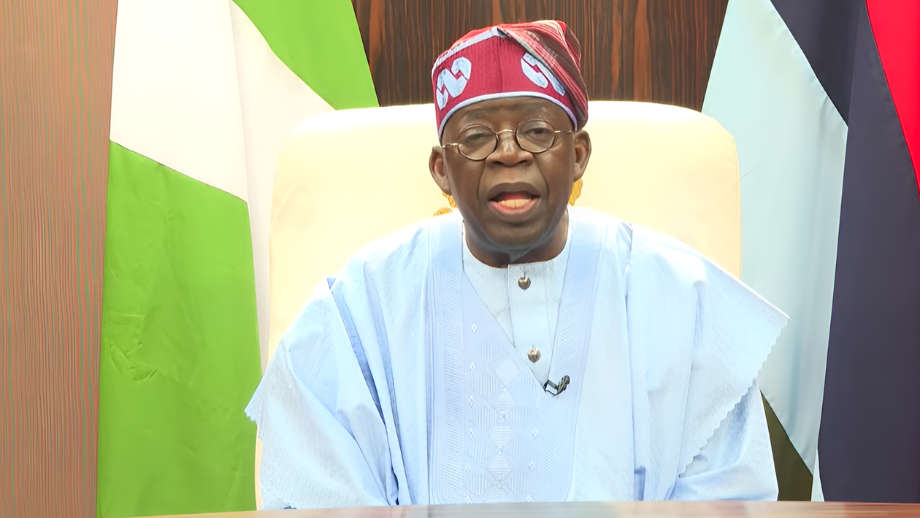
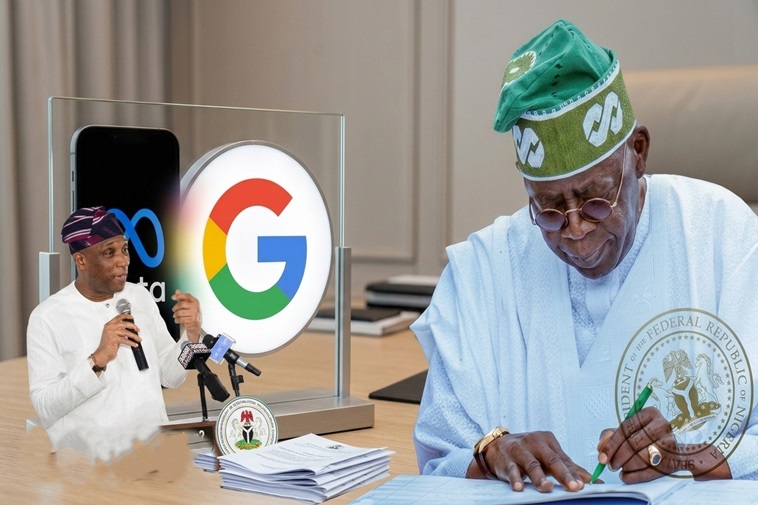
In a defining moment for Nigeria’s digital sovereignty, President Bola Ahmed Tinubu has ordered a comprehensive investigation into global technology giants over the alleged unauthorised exploitation of Nigerian media content
Defending the Value of Local Journalism
The Federal Competition and Consumer Protection Commission (FCCPC) is formally investigating major platforms, including Meta, Alphabet, X, and other generative AI companies. This inquiry targets anti-competitive market conduct and the unauthorised scraping of copyrighted journalism to train machine-learning models.
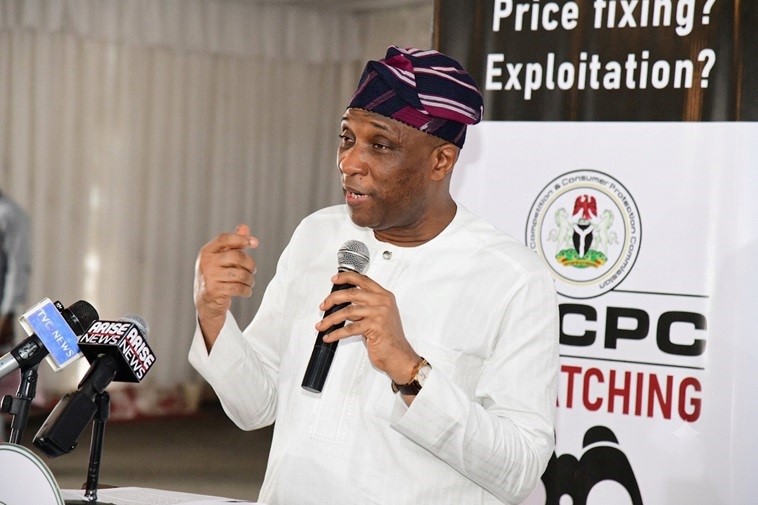
“The inquiry is not a presumption of wrongdoing, but a process to hear all sides and determine whether the conduct violates Nigerian law,” Tunji Bello, Executive Vice Chairman/Chief Executive Officer of the FCCPC, said
A United Front from Media Stakeholders
The investigation was triggered by a joint petition submitted to the Presidency on 6 July 2026; the petition was lodged by powerful media stakeholders seeking accountability from global platforms. The Nigerian Press Organisation, together with the Nigeria Union of Journalists, the Newspaper Proprietors’ Association of Nigeria, and the Broadcasting Organisations of Nigeria, argued that those platforms’ practices threaten the sustainability of local newsrooms.
They allege that Nigerian publishers have been systematically denied meaningful opportunities to negotiate fair compensation or commercial arrangements for their intellectual property.
Context Box: The AI Economy & Regulatory Precedents
- The Core Issue: AI regulation is shifting rapidly from abstract ethics to hard enforcement over data extraction, content ownership, and market access.
- Regional Precedent: South Africa recently secured a R688 million media support package from Google and YouTube following a similar antitrust inquiry into digital platforms.
- Track Record: In 2025, the FCCPC successfully upheld a $220 million penalty against Meta and WhatsApp, proving the regulator’s capacity and willingness to confront global tech monopolies.
Pioneering Digital Sovereignty in Africa
Nigeria is no longer waiting for the European Union or the United States to dictate the rules of the AI economy. This bold regulatory stance signals a convergence of media rights, competition policy, and AI governance on the African continent.
For Big Tech, the message from Abuja is unequivocal: publicly accessible content does not equate to freely reusable data for training algorithms. Corporations must now adapt to jurisdiction-specific compliance, recognising that reputational risks now sit alongside legal risks when local public-interest journalism is compromised.
For individual creators, digital publishing must now be treated strictly as a rights-management issue. Archives should be documented meticulously, and content must carry clear ownership signals to protect the value of African journalism in the modern machine-learning economy.
The Social Call-to-Action (CTA)
Who truly owns the value of African journalism in the age of Artificial Intelligence? Share your thoughts on whether Big Tech should pay for Nigerian news on NTA’s X (formerly Twitter) and Facebook pages using the hashtag #NTADigitalInnovation.