


Compiled By: Malami Haruna Dogon daji
The shocking attempted abduction of a senior Kenyan editor has sent waves of anxiety across the East African media landscape, raising serious concerns about the safety of journalists and the preservation of democratic accountability within the region.
A Narrow Escape in Nakuru
The Committee to Protect Journalists (CPJ) has called for an immediate, independent investigation into the targeted attack against Alex Kiprotich, an Associate Editor with the Standard Group. Four armed men operating a Toyota Probox attempted to seize Kiprotich in Nakuru on June 27, though he successfully escaped unharmed.
The targeted assault occurred merely days after President William Ruto publicly rebuked the media house on social media platforms. The presidency accused the prominent outlet of publishing orchestrated fabrications designed to undermine the current administration.

A Growing Pattern of Intimidation
Following the encounter, the Standard Group issued a stern warning, stating that the state would be held fully accountable for any harm brought upon its editorial staff. This confrontation marks a severe low point in the relationship between the Kenyan government and independent media houses.
Kenyan civil society groups have continuously documented a sharp rise in arbitrary detentions and enforced disappearances since the civic protests of 2024. These clandestine actions frequently target young activists, online commentators, and independent journalists who scrutinise state operations.

“Attacks on journalists are not isolated events but part of a climate of intimidation that weakens accountability reporting. When rhetoric turns political, it actively pushes reporters into self-censorship,” – Muthoki Mumo, CPJ Africa Program Coordinator,
Historic Precedents of Press Suppression
This pattern was highly visible during the controversial 2024 arrest of veteran journalist Macharia Gaitho, which officials later dismissed as an administrative error. Such occurrences demonstrate that constitutional protections fail to secure journalists when institutional impunity goes unchecked.
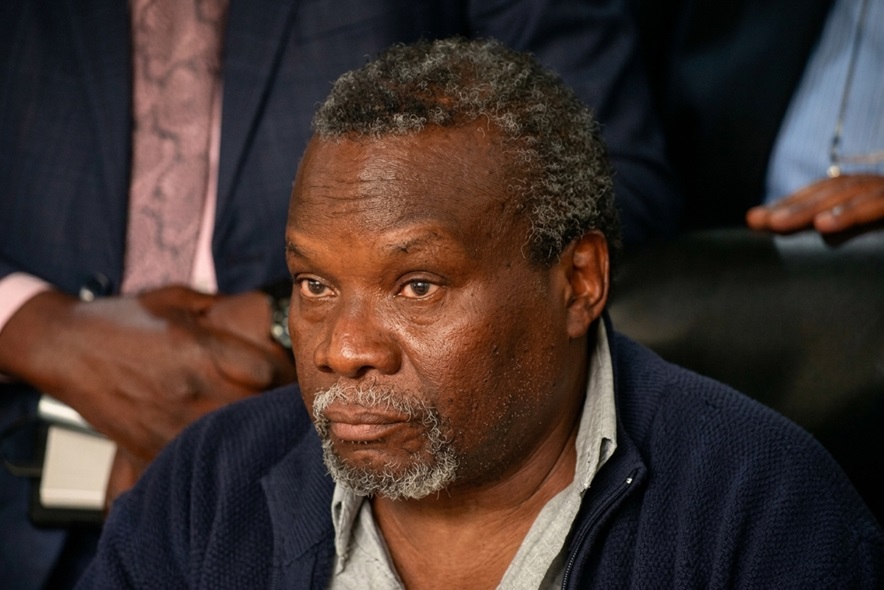
For national and regional audiences, the core argument remains structural. A robust protection framework requires rapid-response protocols, independent oversight, and clear legal penalties for state actors who threaten media workers.
Fast Facts: The Threat to Regional Journalism
- The Incident: Standard Group Associate Editor Alex Kiprotich escaped four armed abductors in Nakuru on June 27.
- The Catalyst: The operational attempt followed official executive criticism of the media house on social platforms.
- The Systemic Risk: Institutional weakness and selective accountability create a chilling effect that extends far beyond a single newsroom.
The Social Call-to-Action (CTA)
How can African nations build stronger, independent enforcement mechanisms to protect journalists from political intimidation? Share your perspectives on the official NTA Facebook and X platforms using the hashtag #NTANetwork.