
The Lead
Nigeria’s financial system has entered a decisive phase as the Central Bank of Nigeria (CBN) begins enforcing a rigorous new Bank Verification Number (BVN) framework. Effective from 1 May 2026, this policy represents a bold attempt to tighten digital identity and rebuild trust in a fast-paced but increasingly vulnerable financial ecosystem.
The Policy: A Digital Security Reset
The new framework introduces three major controls designed to eliminate unauthorized account access. These measures specifically target the rising threat of SIM swap fraud, where criminals hijack phone numbers to drain bank accounts.
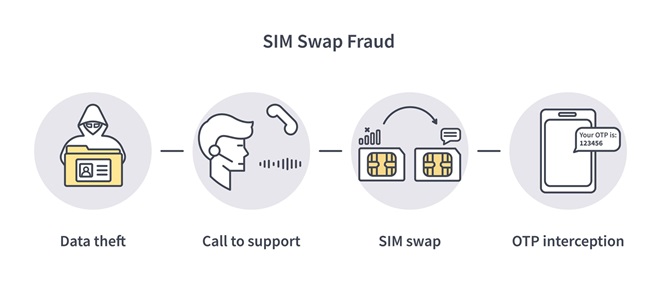
The core restrictions include:
- One-time BVN-linked phone number change: A strict lifetime limit on updates.
- One-device restriction: Banking applications are limited to a single authorised device.
- Transaction Caps: A ₦20,000 limit for 24 hours following the linking of a new device.
The Case for Harmonisation
Supporters of the move argue that Nigeria must prioritise system integrity over convenience. Dr. Emmanuel Basi Usman frames the policy as a step towards a unified identity system, similar to those in advanced global economies.

“Nigeria must move toward a harmonised identity system, similar to Social Security frameworks in advanced economies. A single, tightly controlled identity equals stronger system integrity.” — Dr. Emmanuel Basi Usman
Policy advisor (Nigerian)William Ukod III echoes this sentiment, noting that the focus has shifted from expanding access to managing the inherent risks of a digital-first economy.

“The challenge is no longer speed; it is risk management. The new BVN rules represent a pivot from convenience to control.” — William Ukod III, Policy Advisor
Structural Risks and the “Single Point of Failure”
Despite the security benefits, critics warn that the policy may create new vulnerabilities. By centralising identity so tightly, the system could become “brittle,” making recovery difficult for legitimate users who lose access to their primary device or SIM.
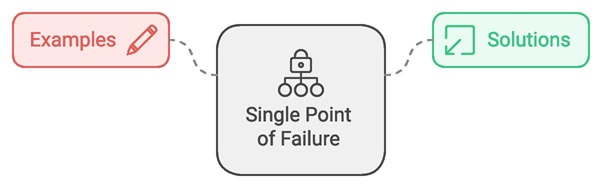
Cybersecurity expert Haniel Jafaru provides a sobering warning regarding the centralisation of digital identity assets.
“When you put all your eggs in one basket… that basket becomes the only target. Stronger walls often mean fewer escape routes if a compromise occurs.” — Haniel Jafaru, Cybersecurity Expert
The Reality of Multi-SIM Culture
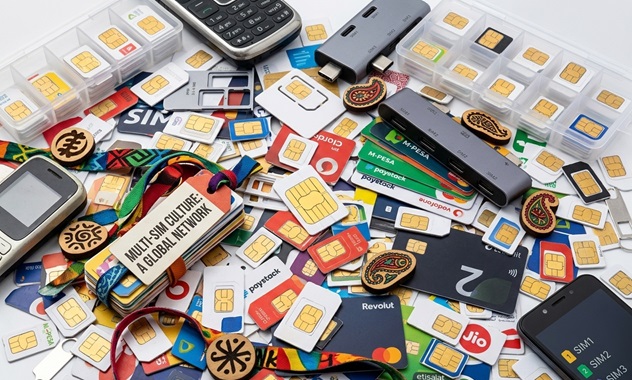
In a country where network reliability often forces citizens to maintain multiple SIM cards for business and personal use, a “once-in-a-lifetime” change rule could prove problematic. Dr. Abubakar Muhammad Sani suggests the system may inadvertently penalise honest users.
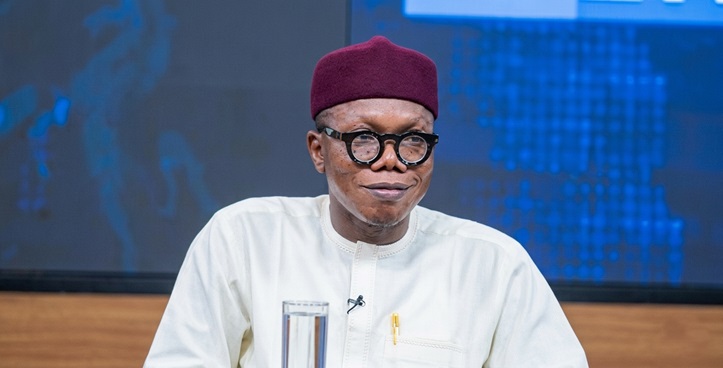
“A ‘once-in-a-lifetime’ change rule may restrict legitimate flexibility and create operational bottlenecks for honest Nigerians.” — Dr. Abubakar Muhammad Sani
The Regulatory Chasm: CBN vs. Telcos
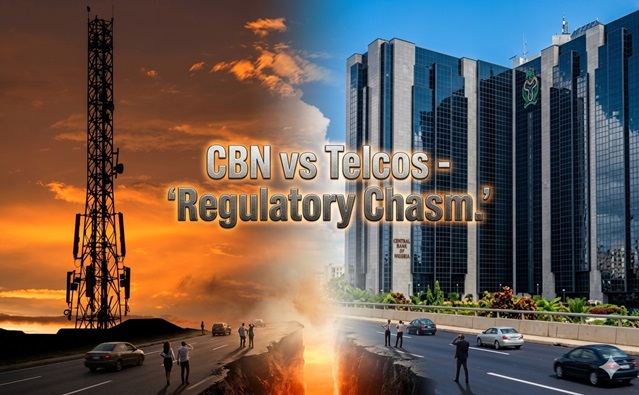
Perhaps the most significant hurdle is the lack of synchronisation between the banking regulator and telecommunications companies. While the CBN views a phone number as a permanent identity marker, Telcos frequently recycle inactive numbers.
This “regulatory chasm” means a new user could potentially inherit a recycled number still linked to another person’s BVN, creating a massive operational risk.
Fast Facts: Nigeria’s New BVN Framework
- Deadline: Enforcement began 1 May 2026.
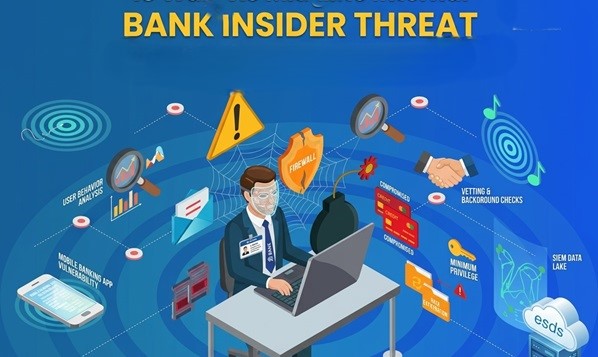
- Primary Goal: To stop SIM swap fraud and internal “insider” banking threats.
- Compliance: Aligns Nigeria with Financial Action Task Force (FATF) global standards.
- Restriction: Users can no longer use banking apps across multiple devices simultaneously.
The Path Forward
For the policy to truly succeed, experts agree that technology alone is not enough. There must be real-time synchronisation between the CBN and the Nigerian Communications Commission (NCC) to manage number reassignments.
Furthermore, banks must address the “insider threat”—collaboration between rogue staff and external fraudsters—which remains a weak link that no amount of external encryption can fully fix.
Social Call-to-Action
Do you believe the new “one-device” banking rule will make your money safer, or is it an unnecessary hurdle for the average Nigerian?
Share your thoughts in the comments on NTA’s social media platforms X, Facebook, Instagram, TikTok @NTANetwork